
Not Faster Renders. Faster Decisions.
How Jaren Dorman validated a Puma concept before committing to any of it.
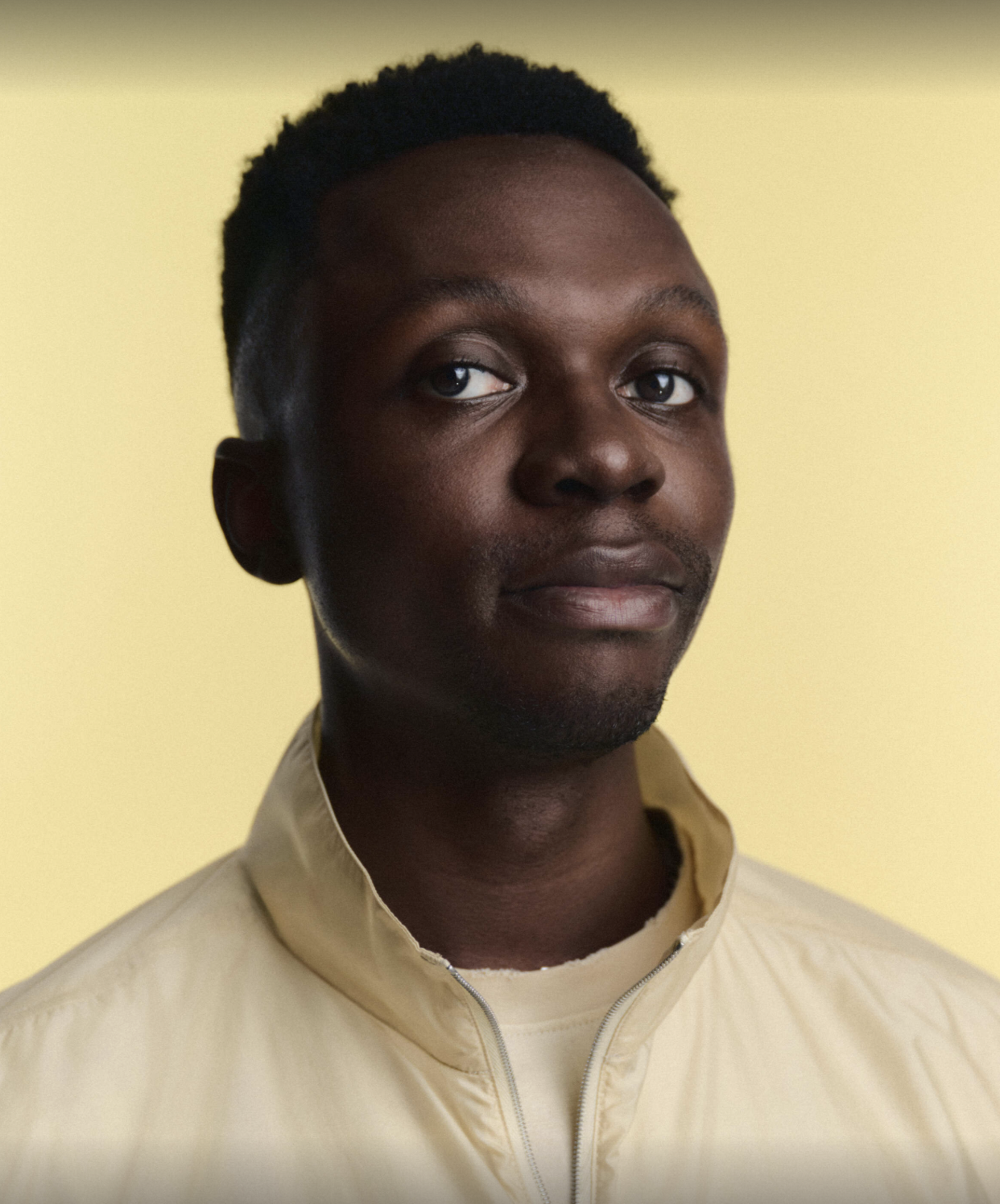

Jaren Dorman gets a lot of messages from people who assume he works at Puma. Or Oakley. The work looks like it came out of a brand's advanced concepts team, so people fill in the rest.
He doesn't, and it didn't.
"It's funny because I've gotten so many people asking and thinking I've worked at Puma, Oakley etc. Honestly these are just concepts that I wanted to see, so I made them."
Jaren runs his own studio out of Austin, where he's lived for about seven years. He consults, some 3D and sampling work with Zellerfeld, whose team recently moved into what he calls his backyard, and he's done project work with Oakley. But the piece we want to talk about here wasn't a brief from anyone. It was a sketch he had, a form he wanted to look at, and a set of decisions he made one at a time until it turned into a full lookbook.
Here's how it came together.
It started as a quick form study
.jpg)
The idea was structural before it was anything else.
"The main idea was to have this elliptical panel on the sides of the shoe and really make the shoe feel layered but connected with large curves. It was really just a quick form study."
That's the whole brief. One geometric move, an elliptical cutout riding the lateral wall and a rule about how the surfaces should behave around it. Layered, but continuous. Nothing chopped up.
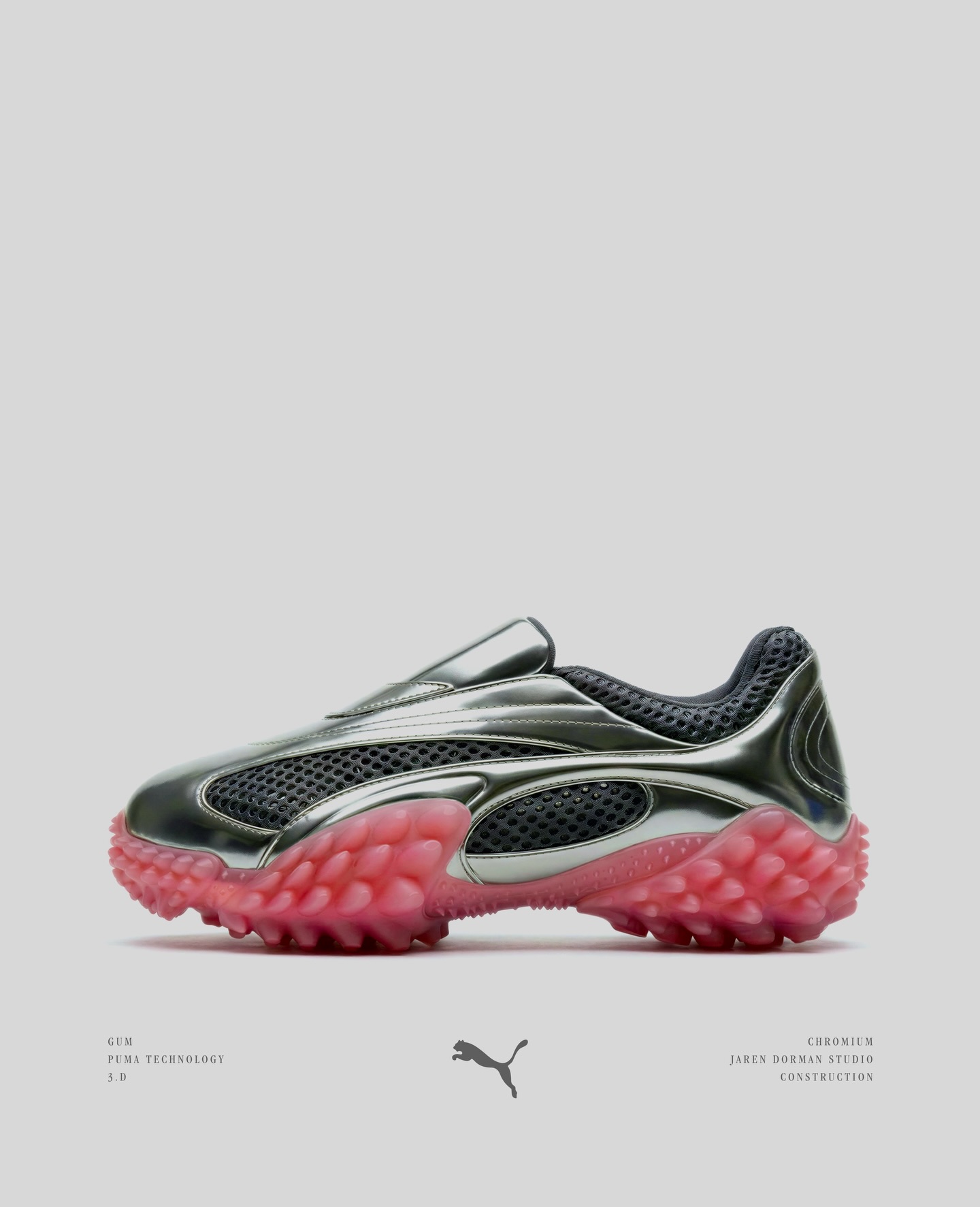
You can see that rule holding all the way through to the final images: the chrome panels stack and overlap, but every seam resolves into a curve rather than a corner. The mesh underneath reads as one continuous field showing through several windows, not as separate patches.
The outsole was the problem
Most of the shoe worked. One part didn't.
"But the outsole just wasn't working for me."
This is the honest part of every process story and the part that usually gets edited out. An upper can be resolved and beautiful and still sit on a bottom unit that reads like a placeholder. Jaren didn't have a tooling library to pull from and he didn't want to spend a week modeling one to find out whether the pairing was even right.
So he did what designers have always done, just faster: he grabbed a reference.
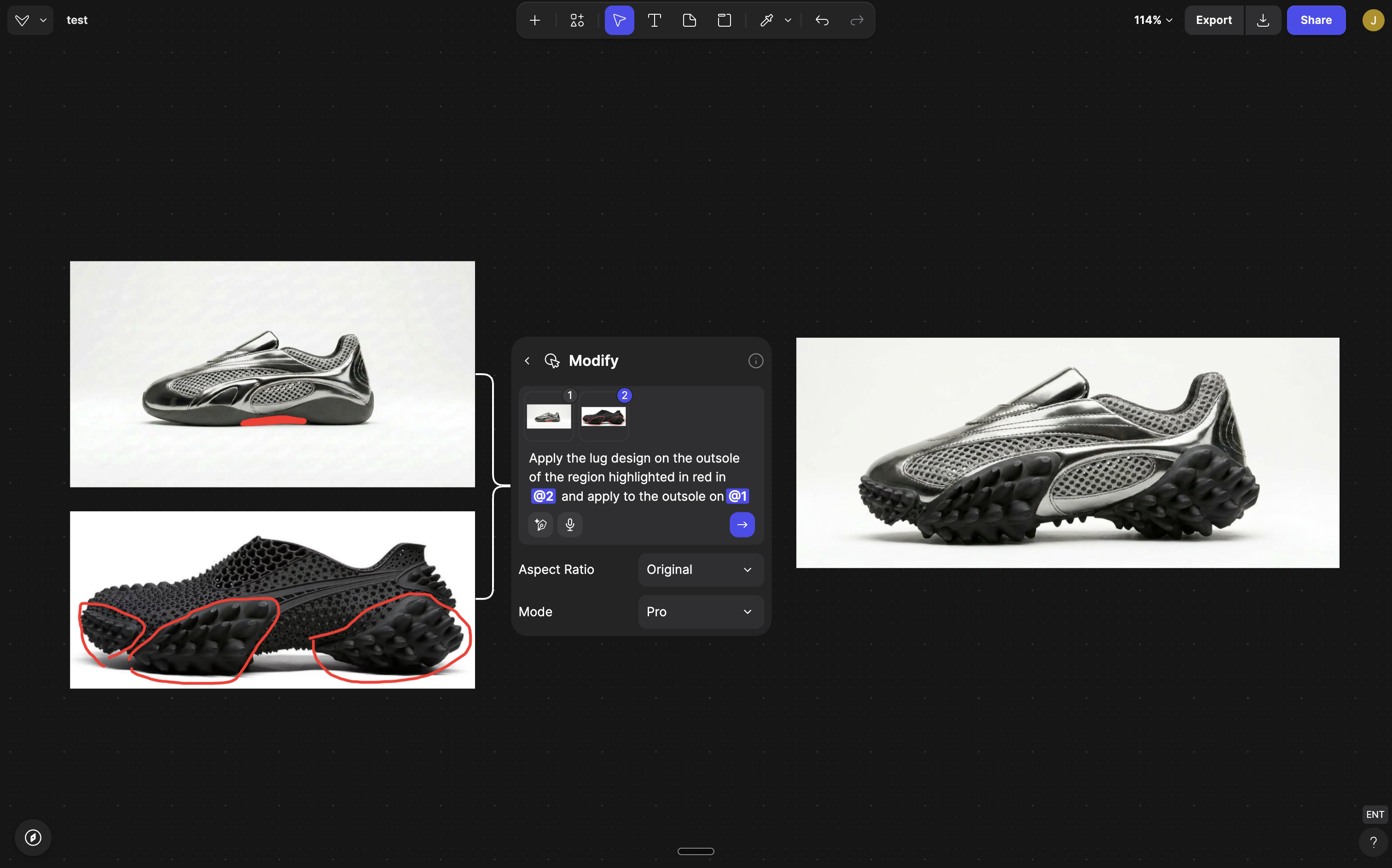
"I incorporated the Puma Mostro 3.D A$AP Rocky designed by @commeconception and wanted to see what the outsole would look like in combination with my upper."
The mechanic here is worth slowing down on, because it's the whole reason this took minutes instead of days. Jaren brought the Mostro 3.D into his workbench as a second reference image, drew red boundaries directly onto the lug zones he cared about like forefoot, midfoot, heel and wrote the instruction plainly: apply the lug design from the highlighted regions of @2 to the outsole.
No modeling. No retopology. A drawn boundary, a referenced image, and a sentence. The point wasn't to render the idea — it was to test it, in the same session it occurred to him.
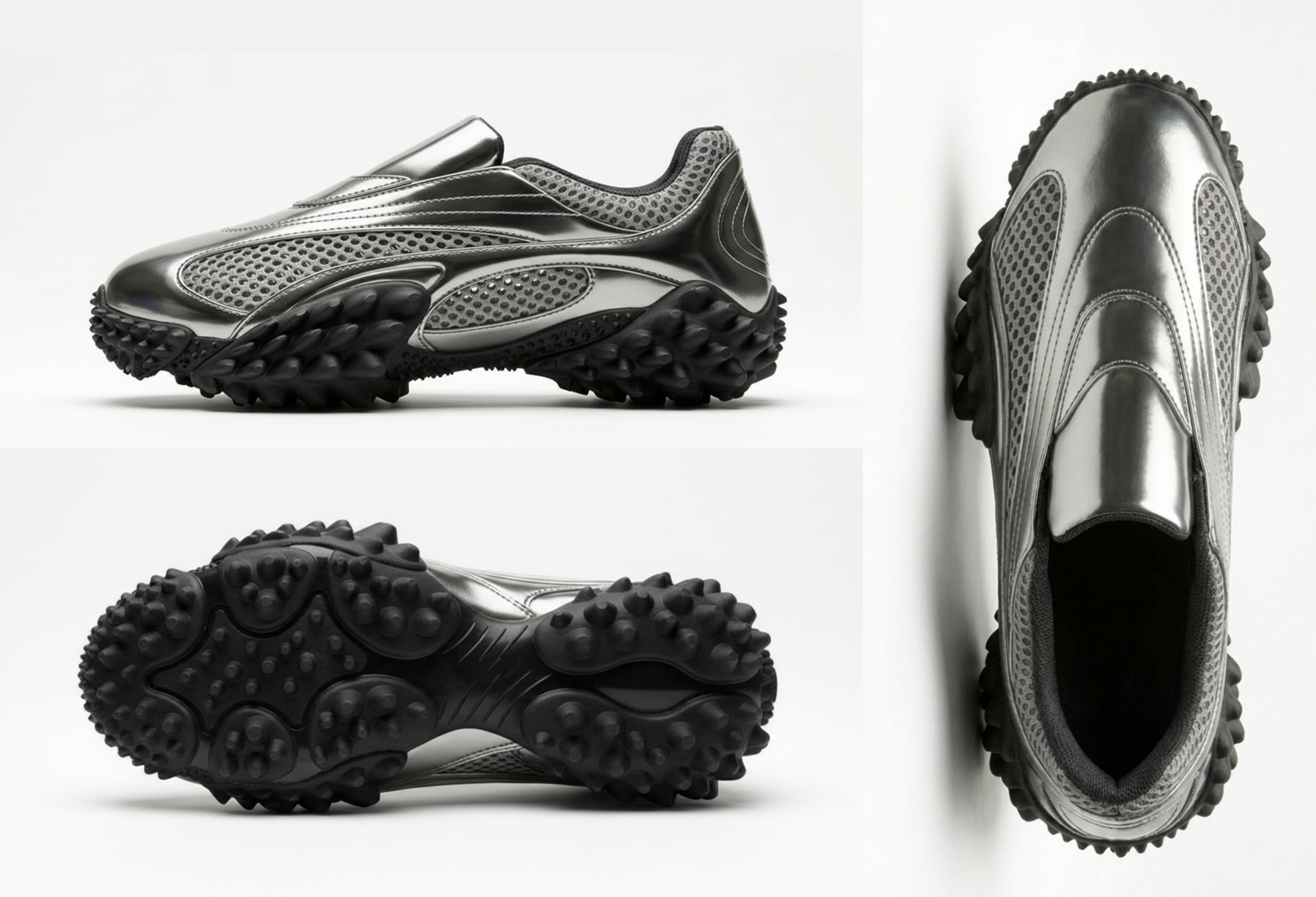
"The black outsole was a great first version."
Then he went looking for the thing that would make it stand out
.png)
A great first version is a stopping point for a lot of people. It resolved, it looks good, ship it.
Jaren kept going.
"I then thought about what would really make this design stand out and so I tried a pink gum material."
Translucent pink gum against polished chromium. On paper it shouldn't work. It's a warm, soft, almost candy material bolted to a cold specular shell. In practice it's the entire reason you remember the shoe. The chrome goes clinical and the sole goes organic, and the tension between them is the design.
.jpg)
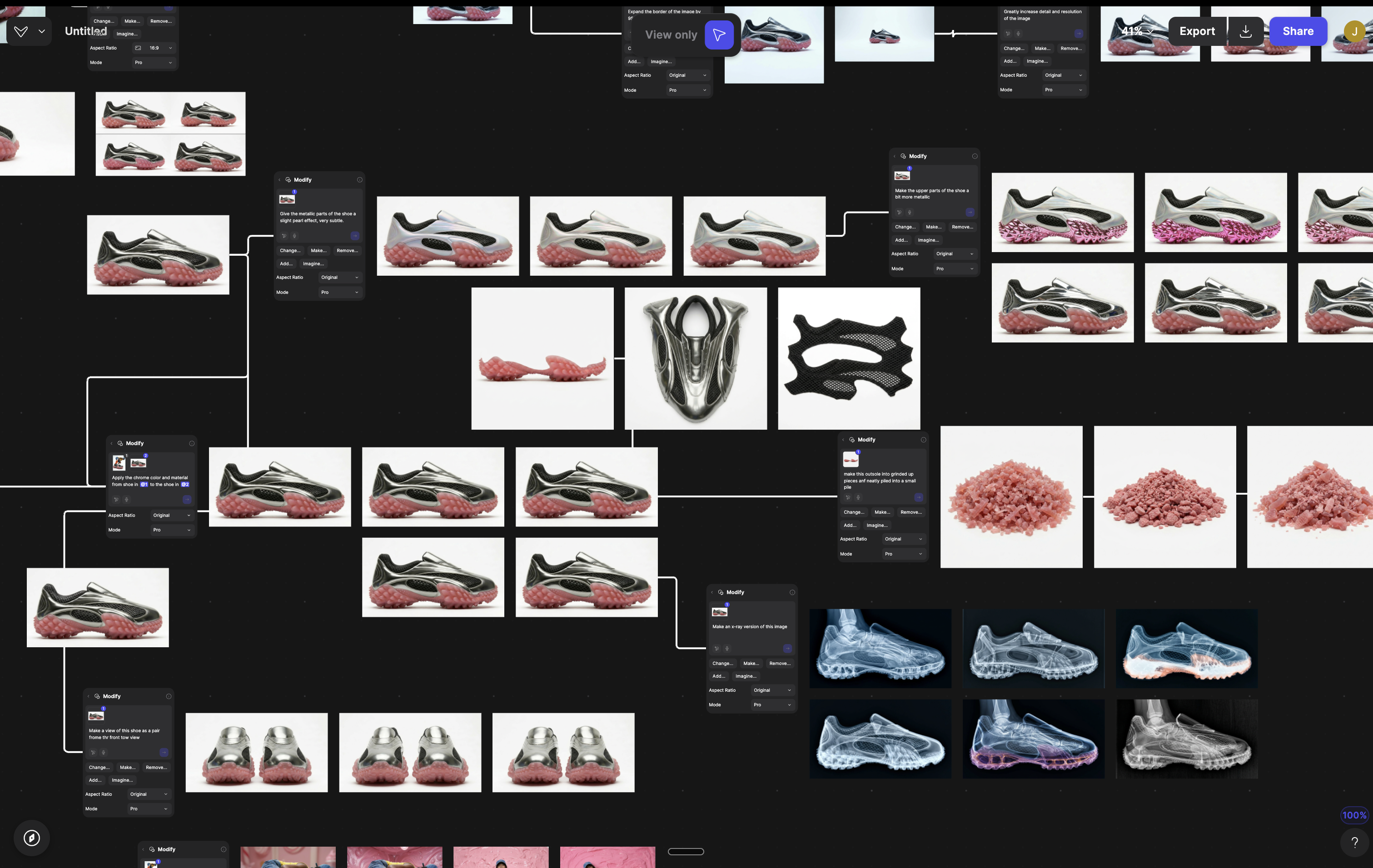
This is what a material study looks like when the cost of trying one is near zero. The pink wasn't a safer choice than black. It was a riskier one, and Jaren could only find out it was right by seeing it.
The material told him what the shoot should be
Here's the part that separates this from a rendering exercise.
"The design really made me feel connected to my childhood and a bit of 2000s nostalgia which informed the art direction for the final images with the model of the girl wearing the shoe. It gives me a sense of attitude and playfulness."
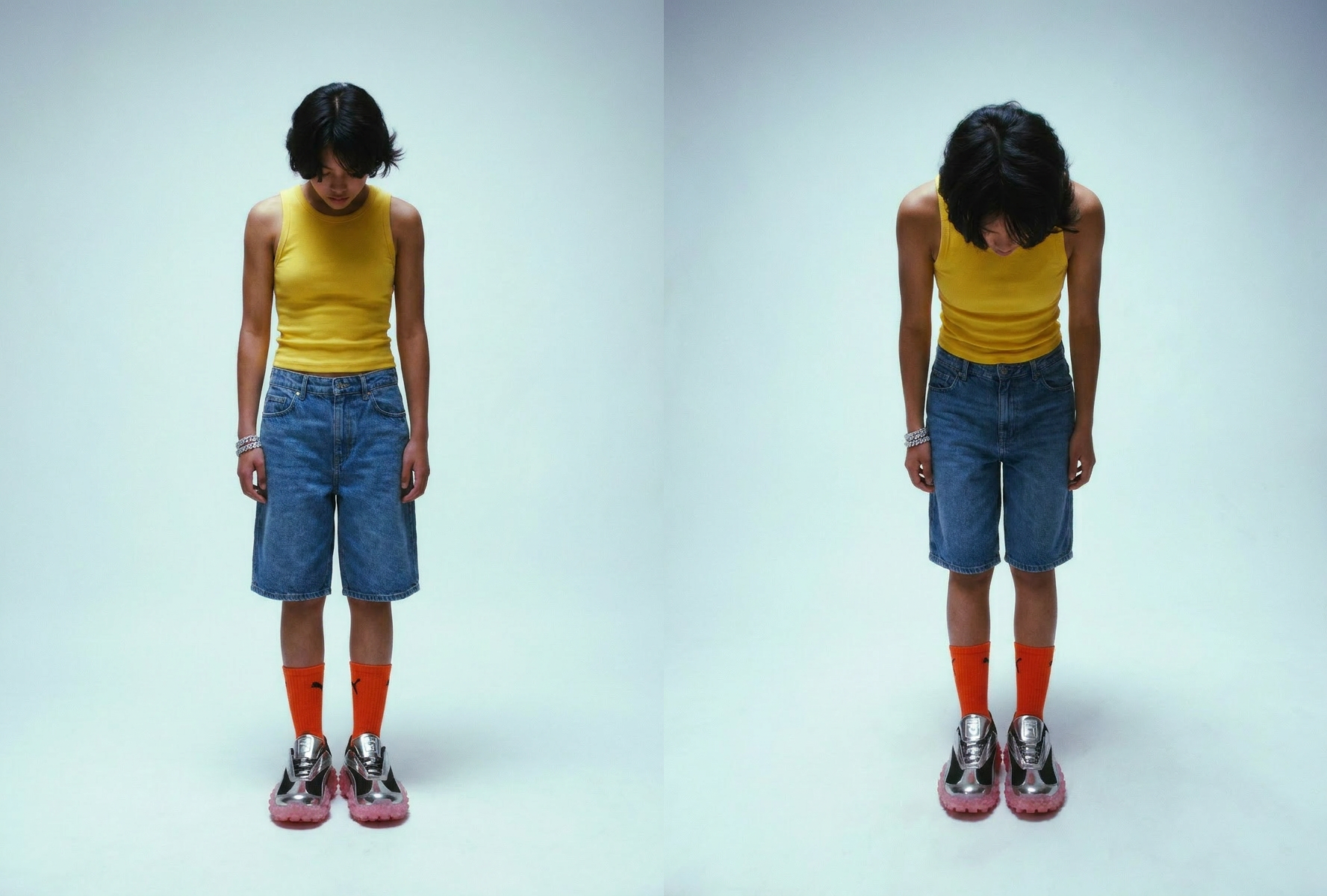
The pink gum didn't just finish the shoe. It set the era. Once the material read as 2000s, everything downstream followed from it the jorts, the orange crew socks, the denim cap, the flat studio light, the slouched posture. Attitude and playfulness, as he put it.
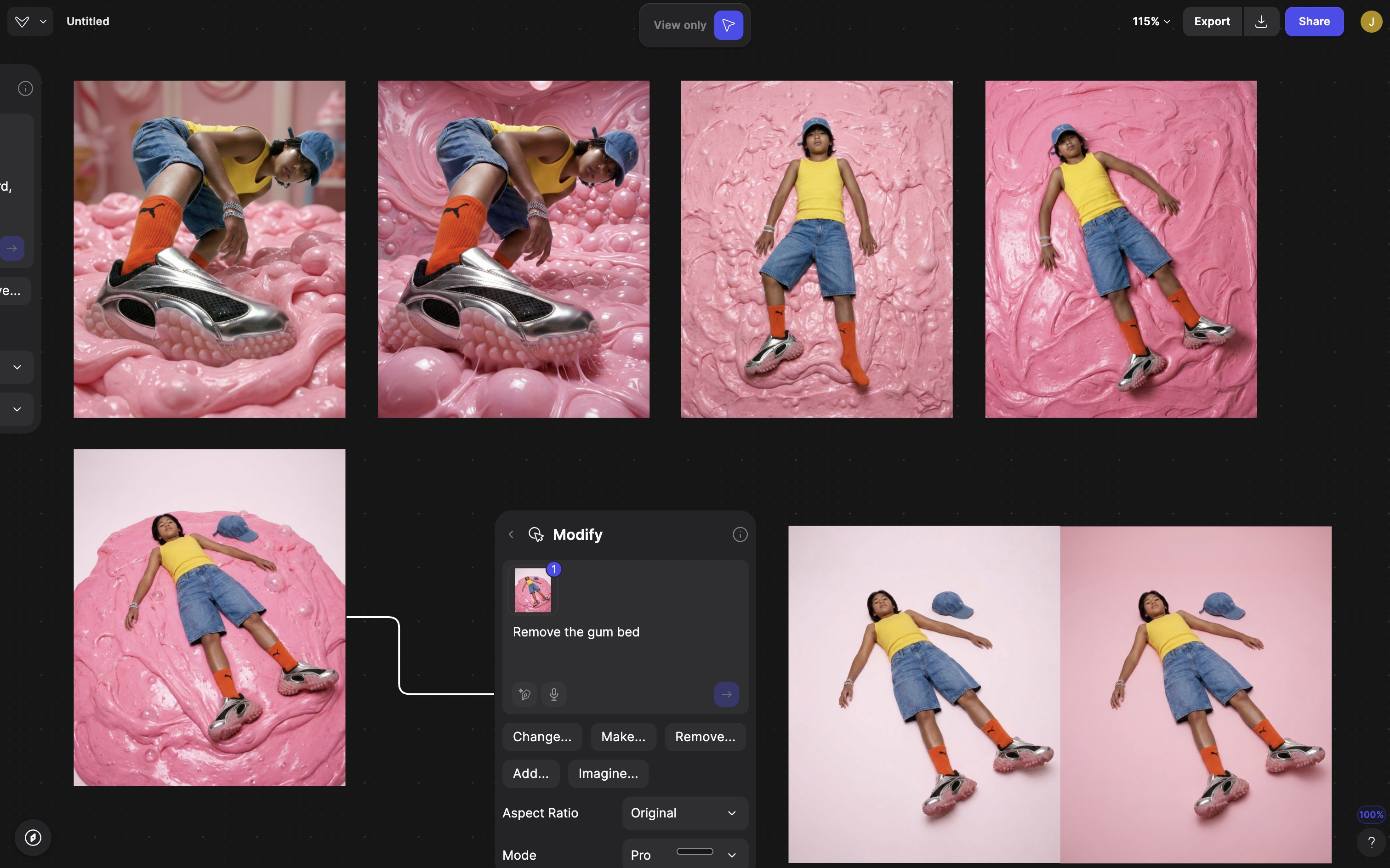
That's a design decision made at the CMF stage cascading all the way out into art direction. Most workflows never let those two stages talk to each other, because by the time you know what the material is, the shoot is already booked.
Then it became three dimensional
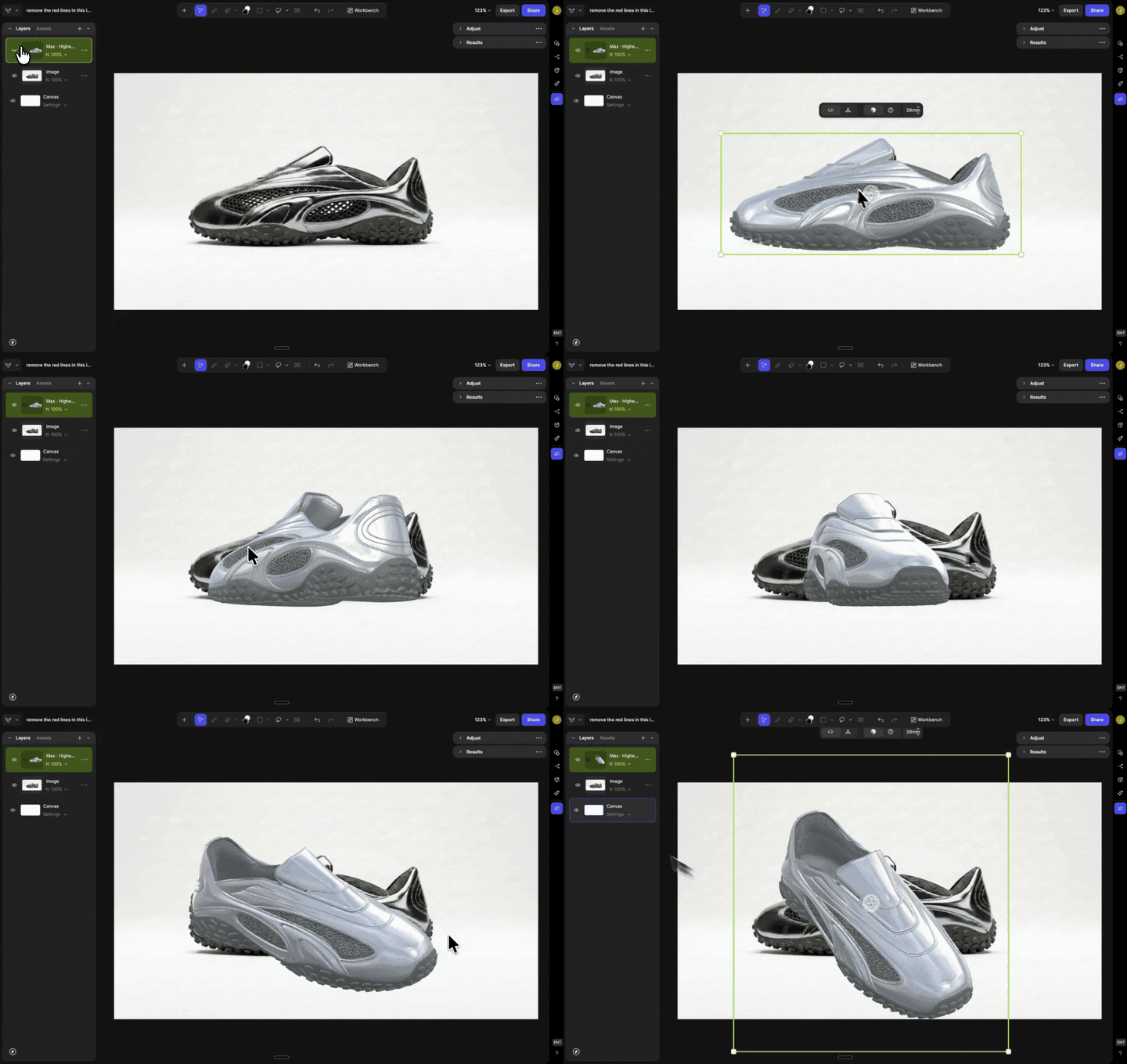
The last step wasn't an image. It was a 3D model.
Worth sitting with how strange that is. Traditionally these are two separate productions with almost nothing in common. Getting a shoe into 3D means building it surfacing an upper in Rhino, Fusion, Blender, modeling the outsole, wrapping it all around a last and that's a distinct discipline from sketching.
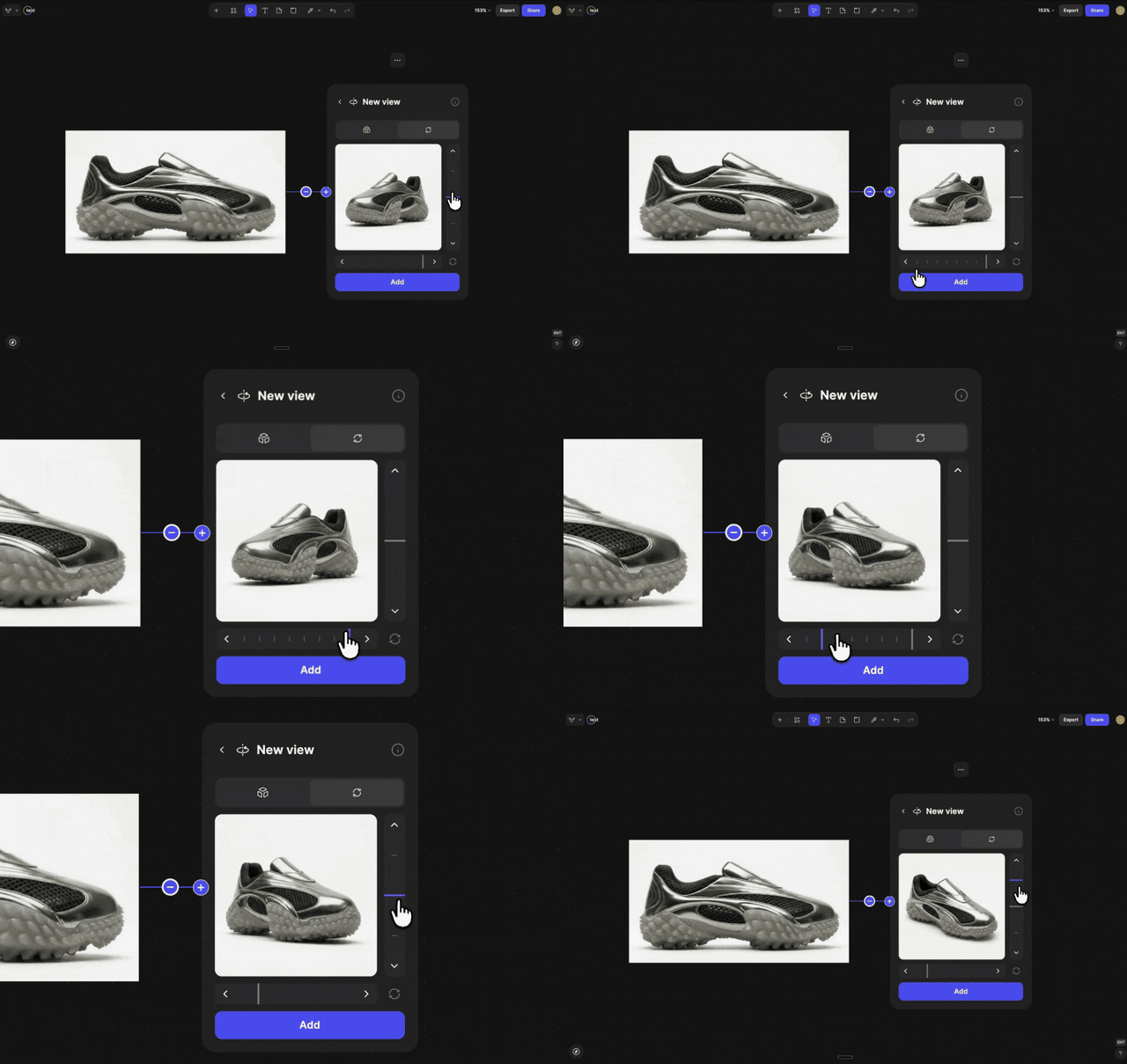
Plenty of excellent footwear designers don't model, and the ones who do measure a resolved concept in days or weeks. Then rendering is its own pipeline on top of that. Then getting something you can hold means a print off the CAD, or a spec pack to a factory and a wait.
"Vizcom has been an excellent tool for me to validate ideas really quickly."
That's the sentence that matters. Not "render faster." Validate faster. The render stopped being the deliverable at the end and became the instrument he used to make decisions at the front.
Real is the new render.
Explore the Vizcom workbench: open the file →
Follow Jaren: @jarendorman for more footwear and 3D process work.
Outsole reference: Puma Mostro 3.D, designed by @commeconception.
Try Vizcom at vizcom.com.
This is our favorite kind of work. Someone chasing a form because they wanted to see it exist, and letting the material tell them where to go next. Thanks for sharing the file, Jaren.
Explore
Explore more blog posts & resources to get inspired
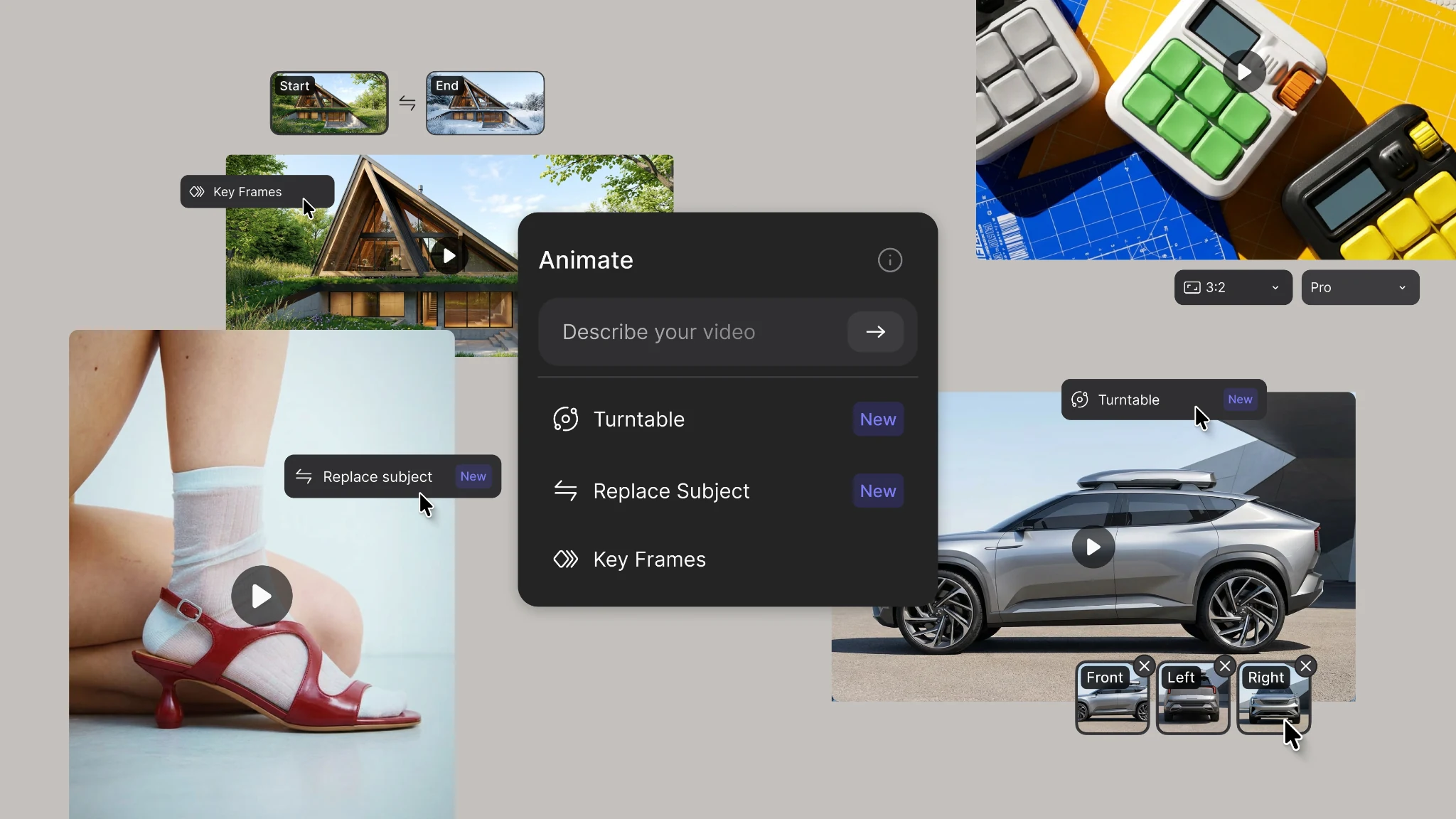
New animation capabilities in Vizcom: more references, four modes, and up to 15 seconds of motion.
.webp)
Hatch Duo is a design studio based in San Jose built around a simple premise: great products hatch when two forces meet, your insight and their execution. Hatch's focus sits squarely in consumer packaged goods. For their latest collaboration with Vizcom, industrial designer Alec Comido wanted to see what he could design in one hour.
Frequently asked questions
Yes of course! Our starter plan is completely free, no credit card required. This is a great plan to explore vizcom with.
We accept all major credit and debit cards.
Admins (paid) – can edit files, manage workspace settings, billing, teams, and invite members. Editors (paid) – can edit files but not manage settings, billing, or teams. Viewers (free) – can only view files in read-only mode.
Team billing is handled centrally by the Admin. All paid seats, whether Admins or Editors, are included in a single invoice under the same billing cycle, while Viewers remain free and do not affect the cost.
Yes, you can. An Admin can update the plan in the billing settings, and the switch will take effect on the next billing cycle at the annual rate.
Yes, you own everything you create in Vizcom. For free users, while Vizcom may use generated images to improve its services, it does not claim ownership of your designs, concepts, or original ideas—you keep full rights to them. For paid users, your images and designs remain entirely private and are only used to deliver the service. Every design, concept, and image you create or upload is fully yours and kept confidential.
Vizcom does not use your data to train AI models if you’re on a paid plan. Everything you create stays private and is only used to provide the service. Free users may have their generated images included to help improve Vizcom’s services, but even then, Vizcom does not claim ownership of your designs, concepts, or original ideas—you retain full rights.