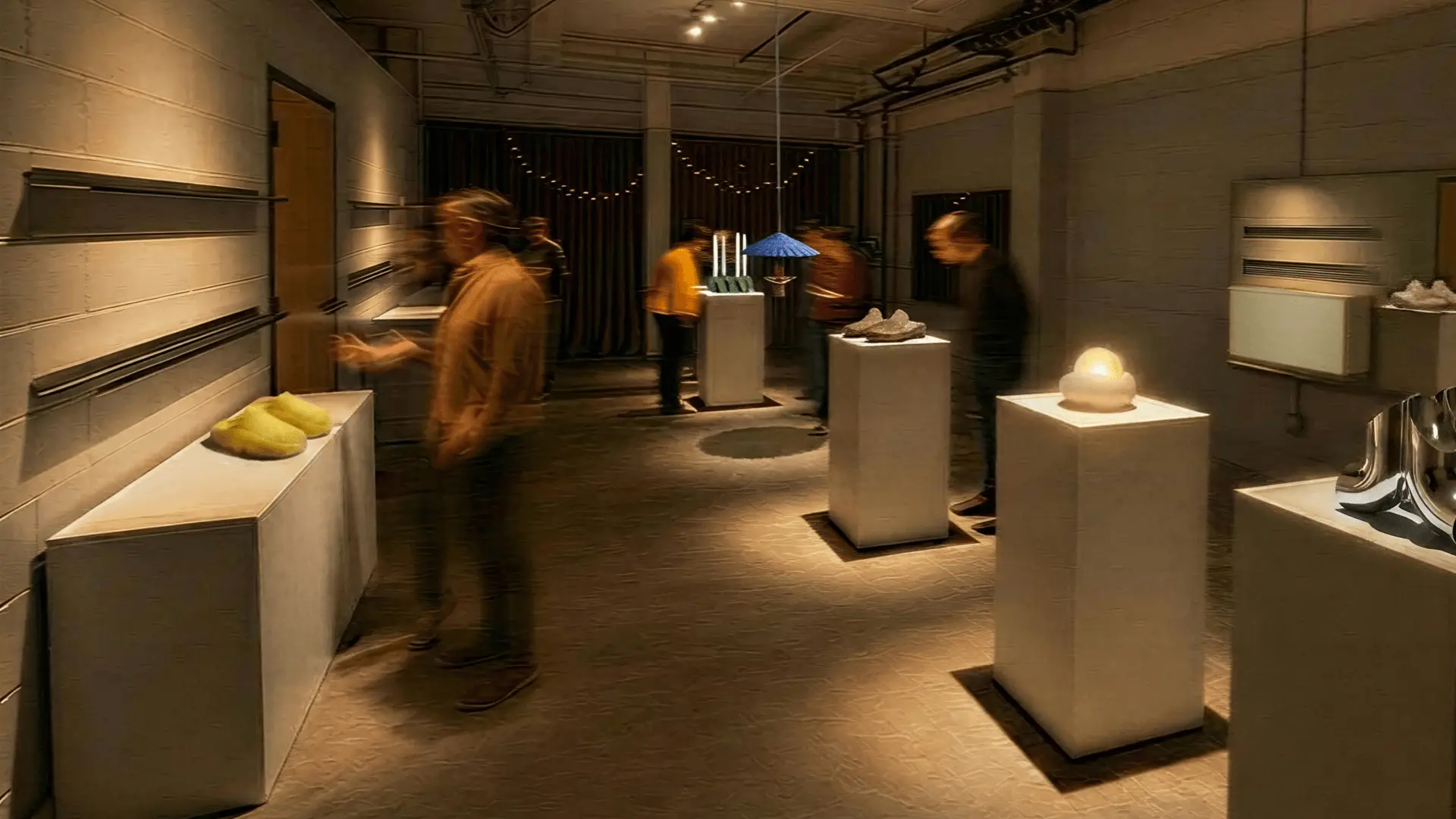
Where Design Begins: Vizcom Design Exhibition
Explore the designs of Vizcom's San Francisco Design Week exhibition where furniture, footwear, lighting, and automotive concepts come to life through AI-powered visualization. Follow along as designers share the stories, sketches, and tools behind every piece on display.

Where Design Begins
There is a word designers reach for when an idea stops being just an idea. Real. A small word carrying enormous weight where every sketch revised at midnight, every constraint that forced the work to become something better.
San Francisco Design Week's theme this year, Multitudes, was an invitation to hold space for the full spectrum of what design actually is: automotive and architectural, fashion and footwear, furniture and film. Design is not one discipline. It is many.
What you'll find here is not a catalog of software outputs. It is a record of human intention — of designers who saw something in their mind and refused to let it stay there. The tools they used changed what was possible. But the ideas were always theirs.
Vizcom is the constant in this story. The platform that compressed the distance between concept and clarity, letting a sketch become a rendering in the time it once took to sharpen a pencil. But the compression was never the point. The point was always what designers chose to do with the time it gave back to them.
Prickel
Gertjan Coppens
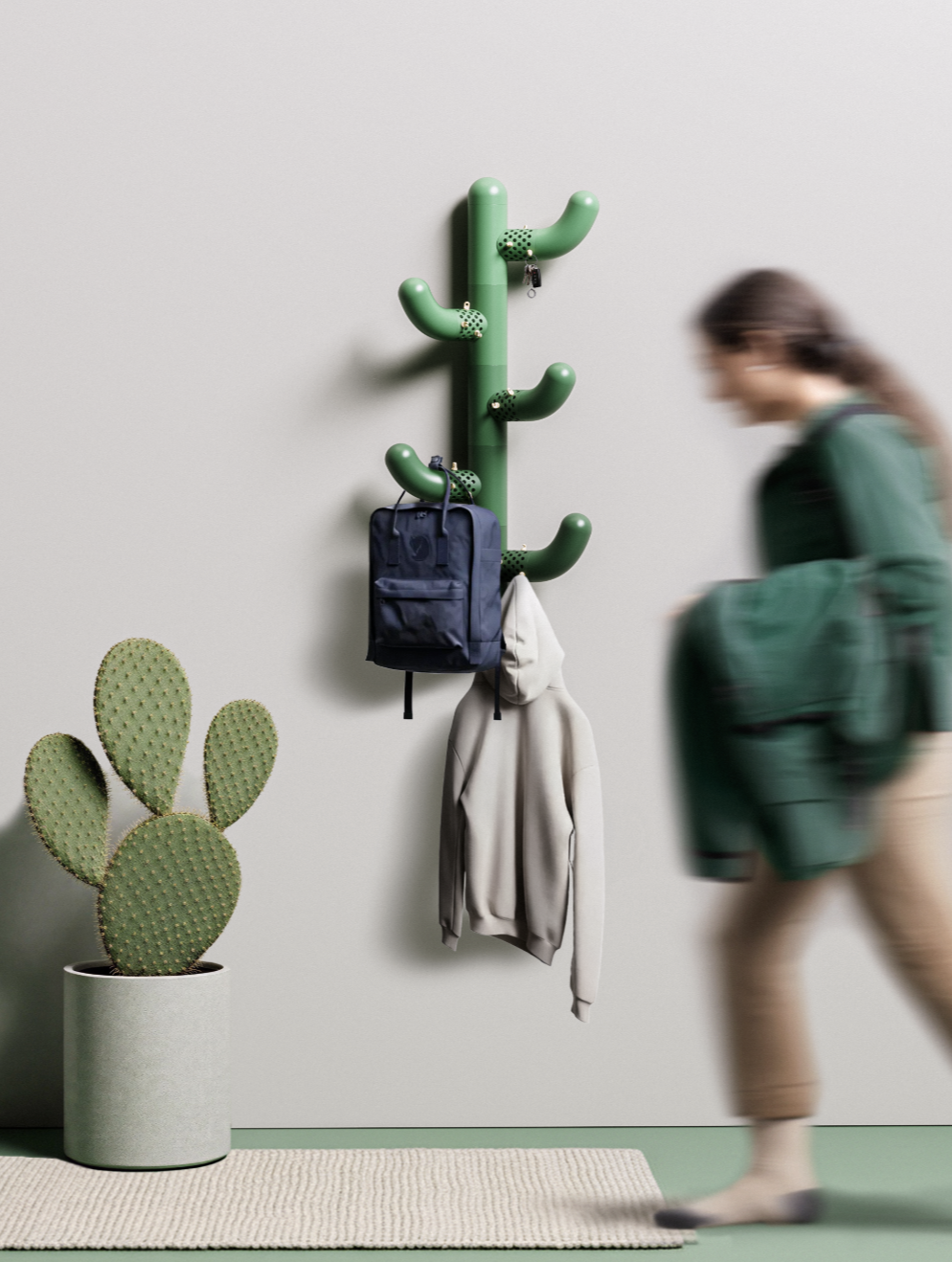
A cactus silhouette, friendly, upright, and expressive, anchors a hook design that translates nature's character into everyday utility without imitation. Small wooden spikes echo the plant's natural thorns, doubling as tactile grip points for keys and small items while lending warmth and personality to the form. Grounded in realistic interiors and tested against the rhythms of daily life, this is an object designed not just to be seen, but to belong.

Kasa
Edwin Tanu
A minimalist bird feeder inspired by the elegant form of a traditional Japanese umbrella, Kasa by Edwin Tau. uses a modular structure and flexible color palette to blend naturally into any environment. Conceived through Vizcom, refined in KeyShot, and brought to life with contextual renders and video, the design bridges traditional inspiration with modern visualization tools.
Fabracers
Adam Miklosi
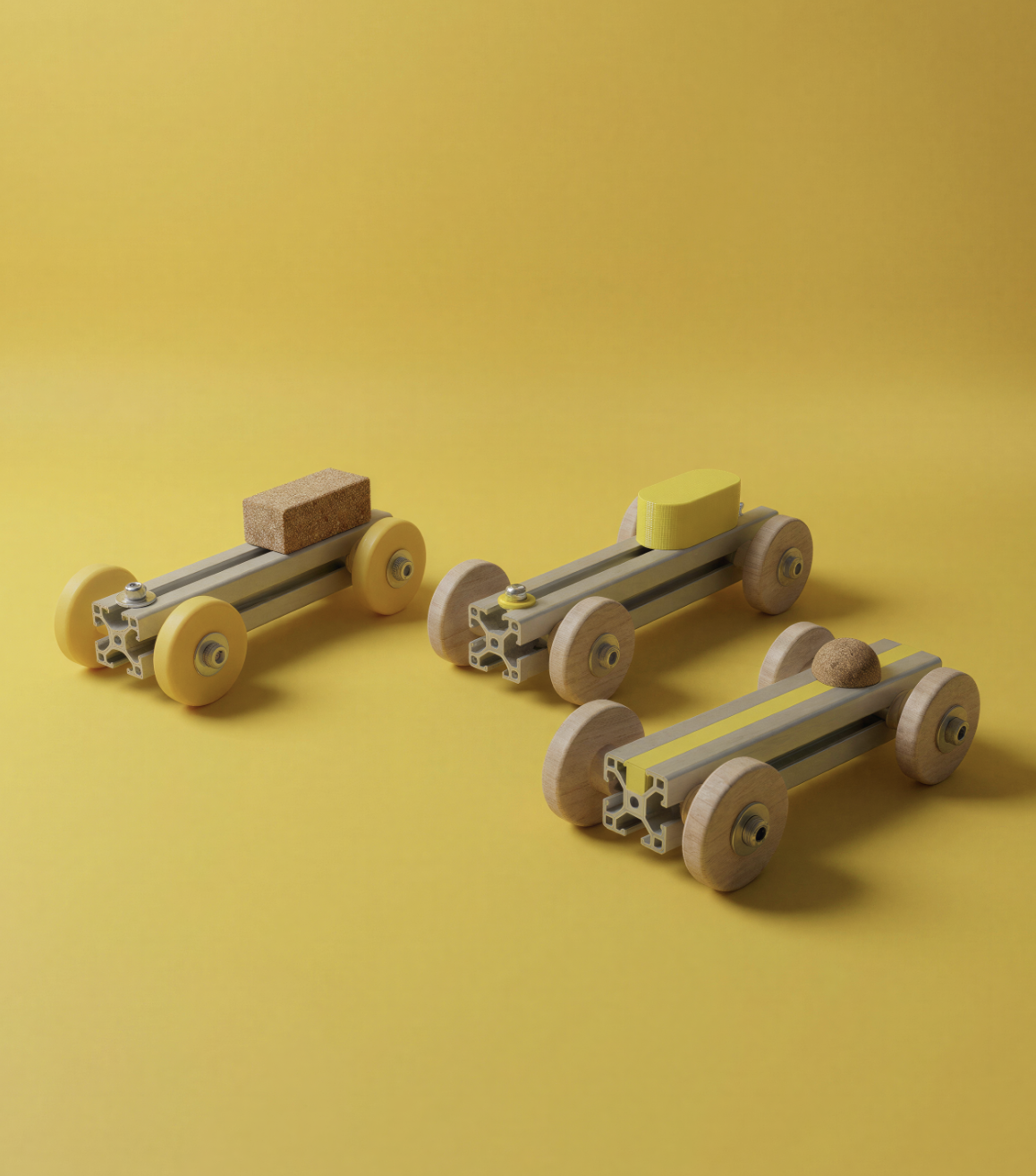
Fabracers began not as a brief but as an open experiment, assembling aluminum extrusions, wood, and cork into a coherent system through contrast: industrial versus natural, rigid versus soft. Form development followed a reductive logic, stripping away the non-essential to surface three directions: a roadster, a monoposto, and an expedition vehicle, each iterated rapidly in Vizcom to drive decisions rather than produce presentations. The result is less a product line than a shared framework for ongoing exploration.
Digits
Kolbe Correia
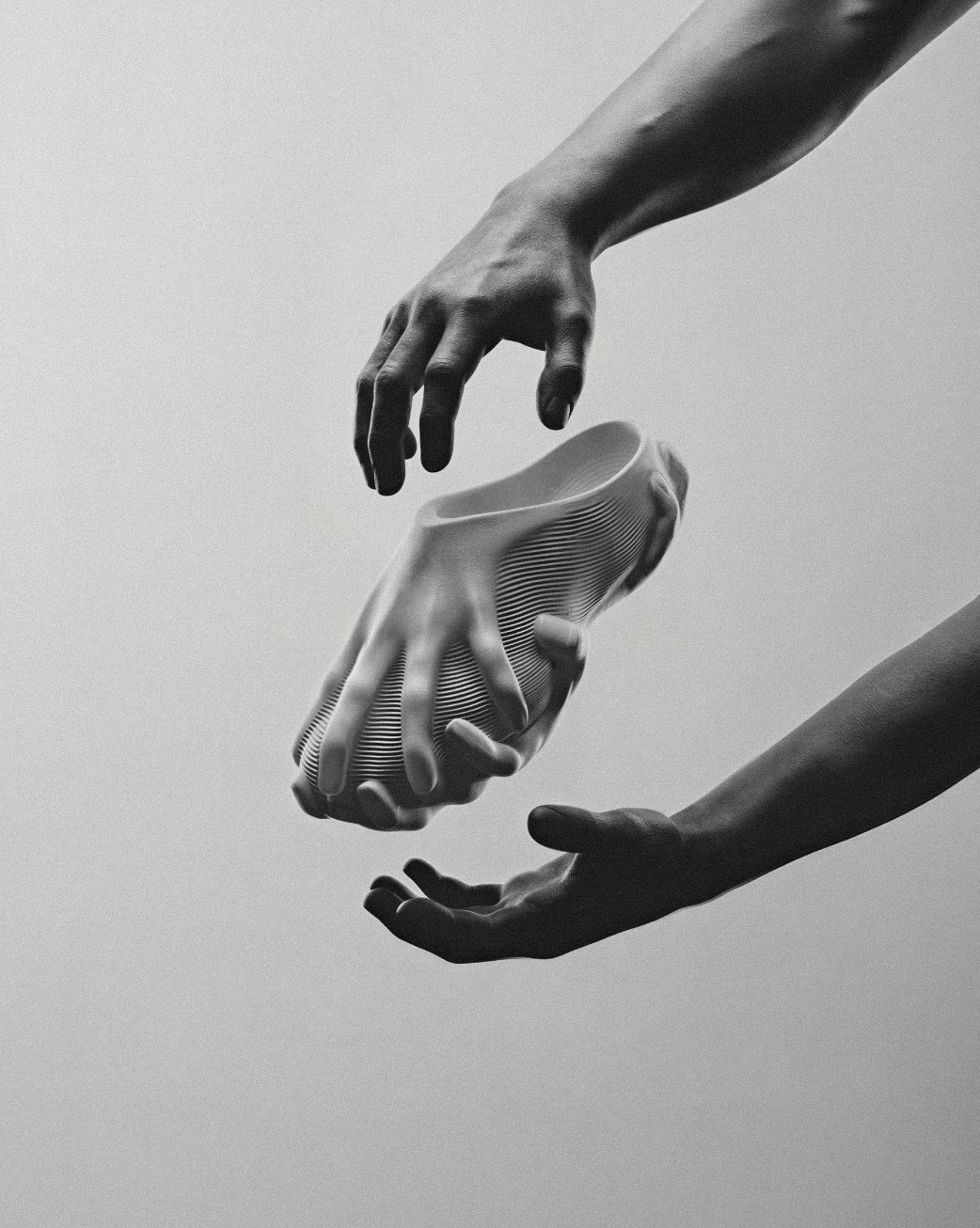
A form of human hands creates a structure around the foot. The insole pattern resembles a fingerprint, and similar ridges fill in the rest of the form. For a while, AI was scrutinized for an inability to represent hands: this design showcases AI's advancements since then through a form most achievable with 3D printing.

CATAPILL
Prithviraj Taware
CATAPILL is a biomimetic mule inspired by the anatomy and movement of a caterpillar. The segmented outsole translates the insect's rhythmic contraction and gripping prolegs into soft, flowing ribs and cavities that suggest flexibility, cushioning, and traction. Inflated organic volumes replace rigid mechanical lines, creating a playful yet functional form that expresses motion and comfort through shape.
Explore Prithviraj's workbench

The Saman
Andrew Moya and Juan Rujana
The Saman is an amber mule with organic tree root forms spreading along the upper with a Tumi-shaped tongue, drawing directly from pre-Columbian artifacts and motifs. Named after the Saman tree, a beloved gathering space in Central and South America — this elevated mule is built for long-wear and traditional gatherings.
Explore Andrew & Juan's workbench
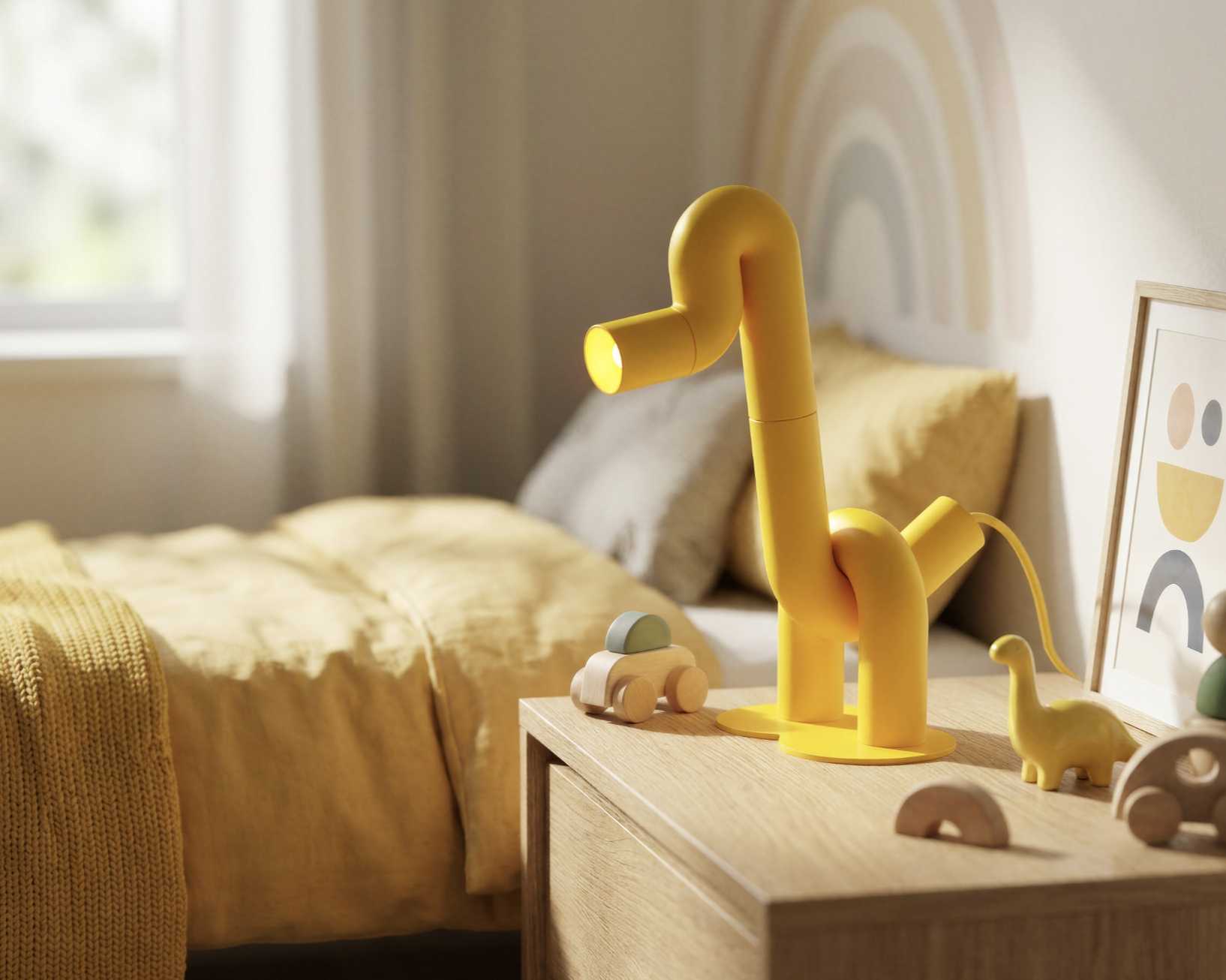
Duck Lamp
Liam de la Bedoyere
A duck-inspired desk lamp and the latest addition to a range of animal-derived tubular lights, developed by training Vizcom on existing designs and using it to transform early sketches into near-finished visuals, compressing what would have been a full CAD and rendering pipeline into rapid, confident iteration. Once the concept was resolved, Vizcom rendered CAD screenshots to inform CMF decisions, then animated the final design with expressive movement reminiscent of the Pixar lamp. Tight deadline, zero regrets.
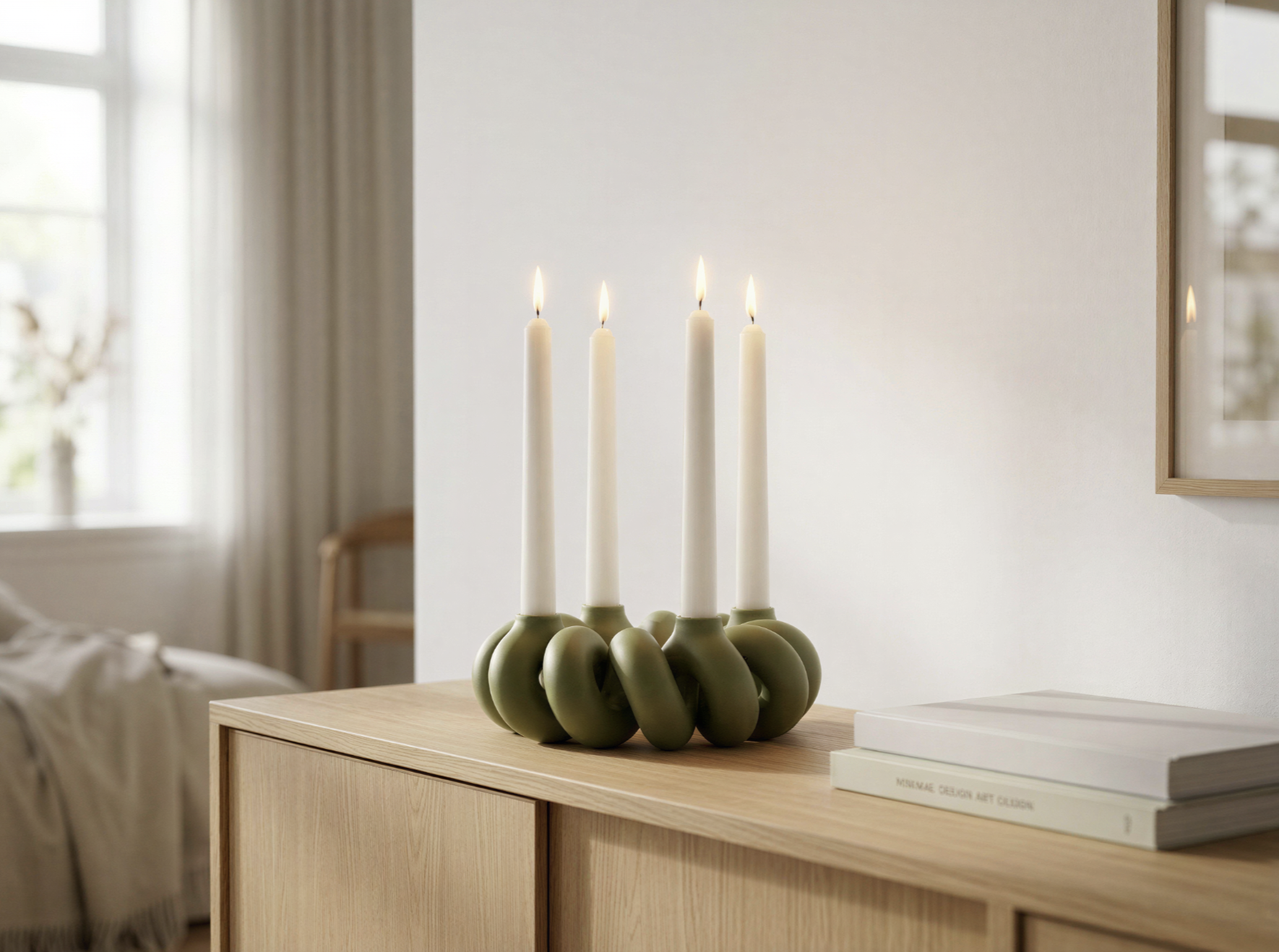
Kranz
Jara Freund
Kranz reimagines the traditional German advent wreath as a permanent, high-end object, built from interwoven tubes resolved through iterative CAD work in Siemens NX and validated through 3D-printed prototypes. Visualization in Vizcom pushed the work past sterile renders, giving the forest green finish a soft-touch, tactile quality that reads as premium ceramic or powder coat. The result bridges continuous geometric precision with a warmth that makes it feel at home in any season.

Exhaust Light
Julius Ressel
A tealight holder shaped like polished exhaust pipes, born from a personal attraction to performance aesthetics and a winter without a holder worth keeping. Early explorations in sheet metal and casting looked convincing in renders but failed in practice, a lesson that pushed the design toward simplicity. Quick sketches and Vizcom iterations resolved it into stainless steel tubes assembled with 3D printed jigs, precise geometry meeting real material.
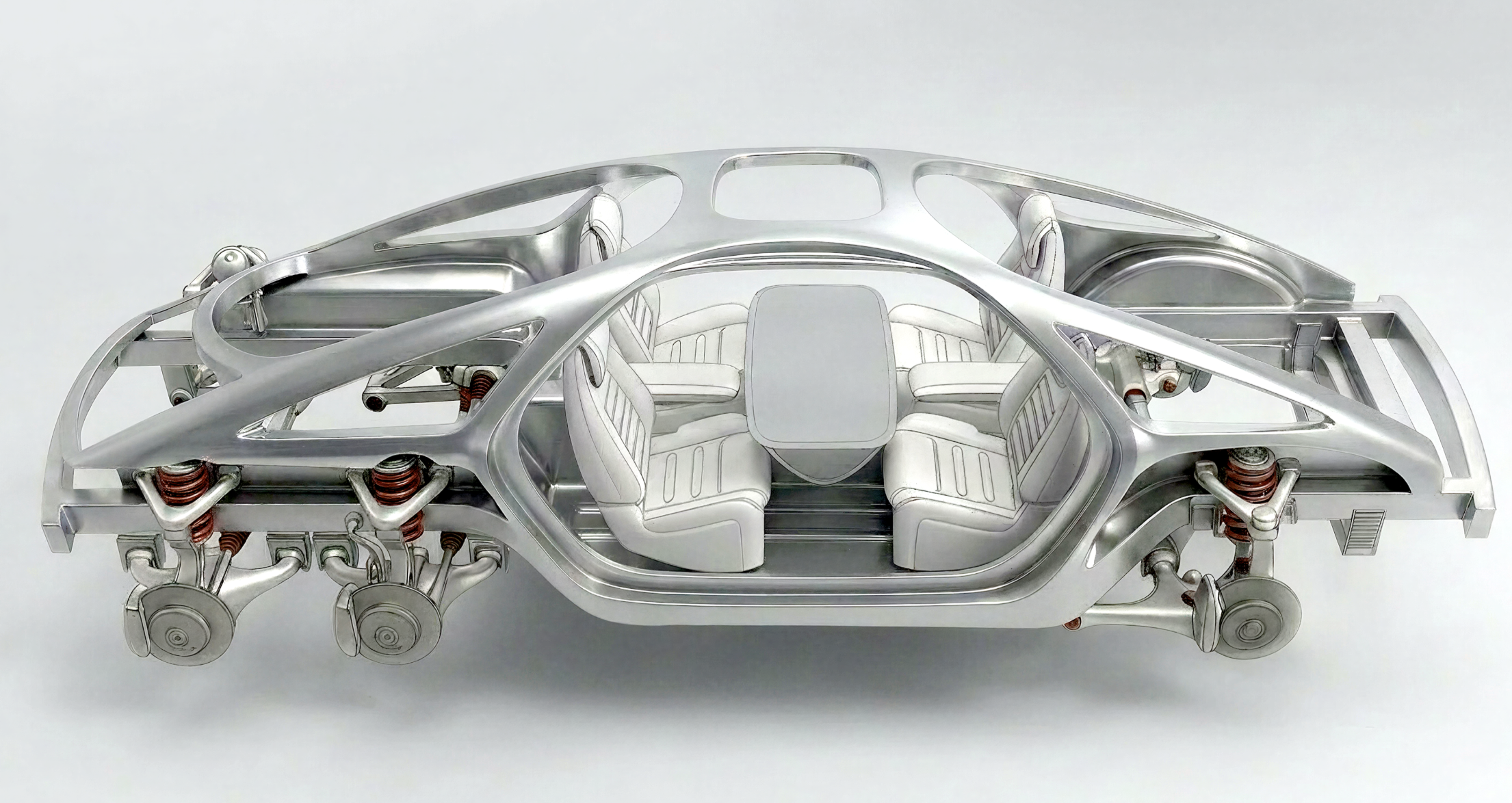
Spirit of Perception
Curb Industries
Curb Industries is an automotive design company founded by Stuart and Alan Macey, whose work has shaped iconic vehicles at Bugatti, Chrysler, Czinger, Dodge, Hyundai, Jeep, and Waymo, built on a question-first philosophy that uses benchmarked dimensions and hardpoints to guide design without inheriting assumptions from the past. Vizcom sits at the center of the workflow, accelerating the translation of precise manual line drawings into multi-view renderings, 3D models, and animations that allow every member of a cross-functional team to communicate clearly and keep focus on the concept. The pipeline then moves into Blender using H-Point tools to correct proportion and study aerodynamics, looping back into Vizcom for continued iteration on appearance and function.
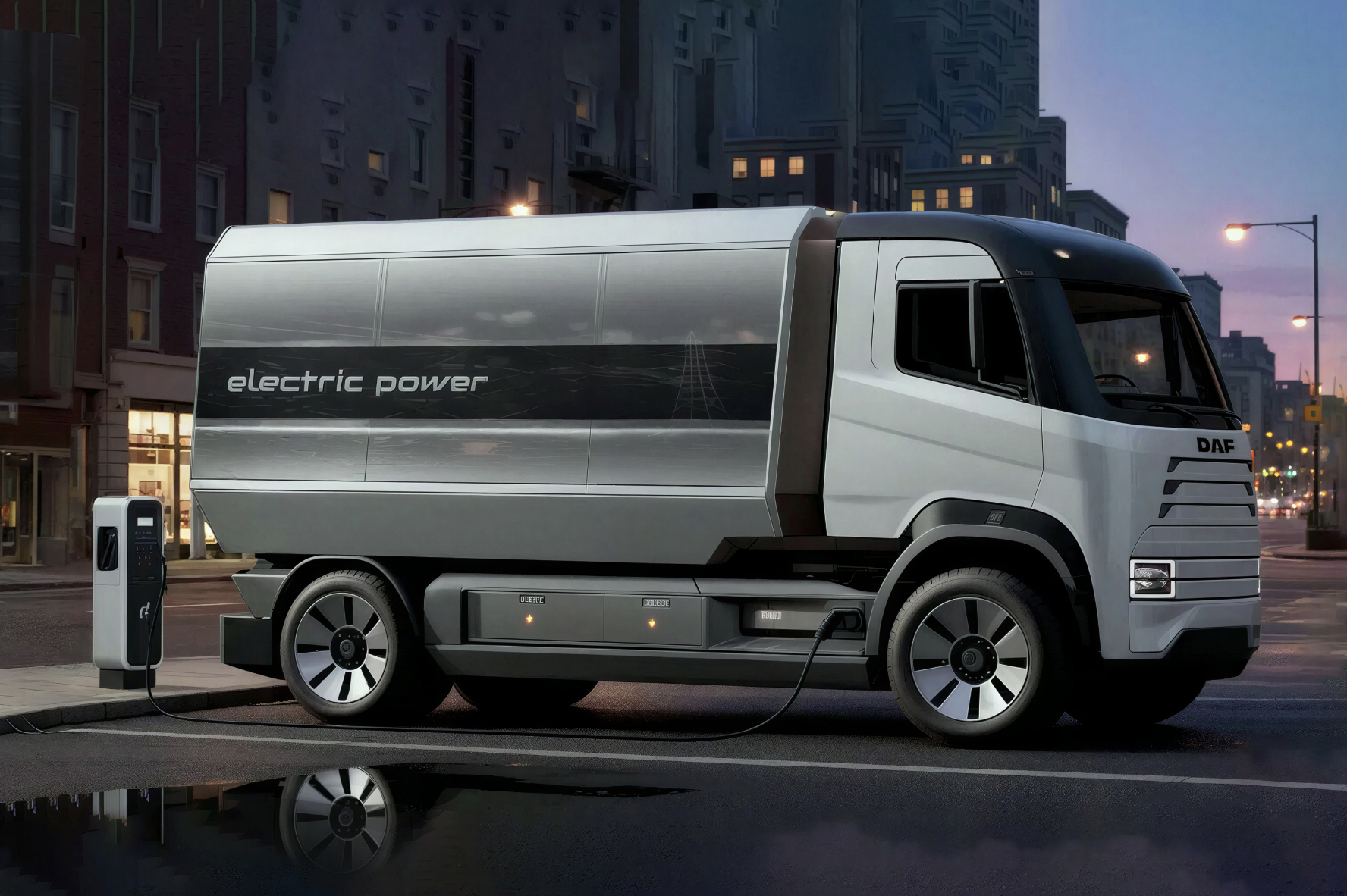
Redesigning Classics
DAF Design Team & Kenworth Design Team
DAF designers used AI to reimagine the classic A30/A50, the first truck off DAF's production line in 1949 and affectionately known as the 7-striper for its seven-bar grille. With no original drawings surviving, AI became both the research tool and the drawing hand, reconstructing a lost design legacy for a new audience.

Building on the legacy of the Aerodyne roof, this Kenworth concept introduces intelligent adaptive turning vanes at the cab-to-sleeper transition, responding dynamically to crosswinds and speed to reduce drag without sacrificing the bold proportions the brand is known for. Vizcom translated design sketches into multiple refined visual directions quickly, making functional innovation immediately legible to any audience.

Shaping the Future
Peterbilt Design Team
A floating lamp proposal that merges past and present Peterbilt design elements with thoroughly modern and technical design essence. Featuring precisely machined inner sleeves and pockets with laser etching detailing surrounding the inner 3 led lighting elements.

SF26
Berk Kaplan
Great automotive design begins with a feeling, not a form. The process documented here is an attempt to stay faithful to that feeling across every translation, from sketch to render, from render to refinement, from refinement to the road. The tool changes; the intention doesn't.
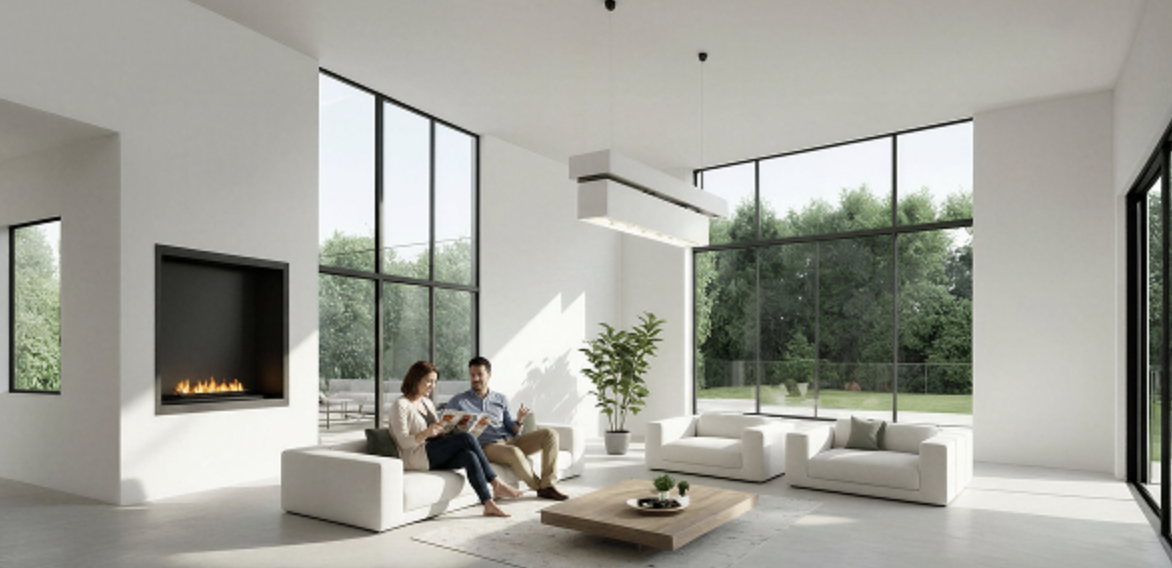
Interior Design Workflow
Claas Eicke Kuhnen
A showcase of how Vizcom can be used in a layered workflow to develop an interior space. Perspective sketching to establish form, loose paint layers to rough in light and flame, and Vizcom's render and smart remove tools to refine the output into a clean, cohesive final image.

Glossier Booth
Baraah Nasser
A circular 20-foot Glossier booth designed from concept outward, with simple sketches establishing layout and circulation before CAD and 3D modeling locked in scale, curved walls, shelving, and product display zones. Materials stay true to the brand: glossy vinyl, bending plywood, acrylic shelves, and soft pink and white finishes throughout. Staff uniforms follow the same logic, baby pink denim overalls and a small red bow, approachable and visually connected to the space.
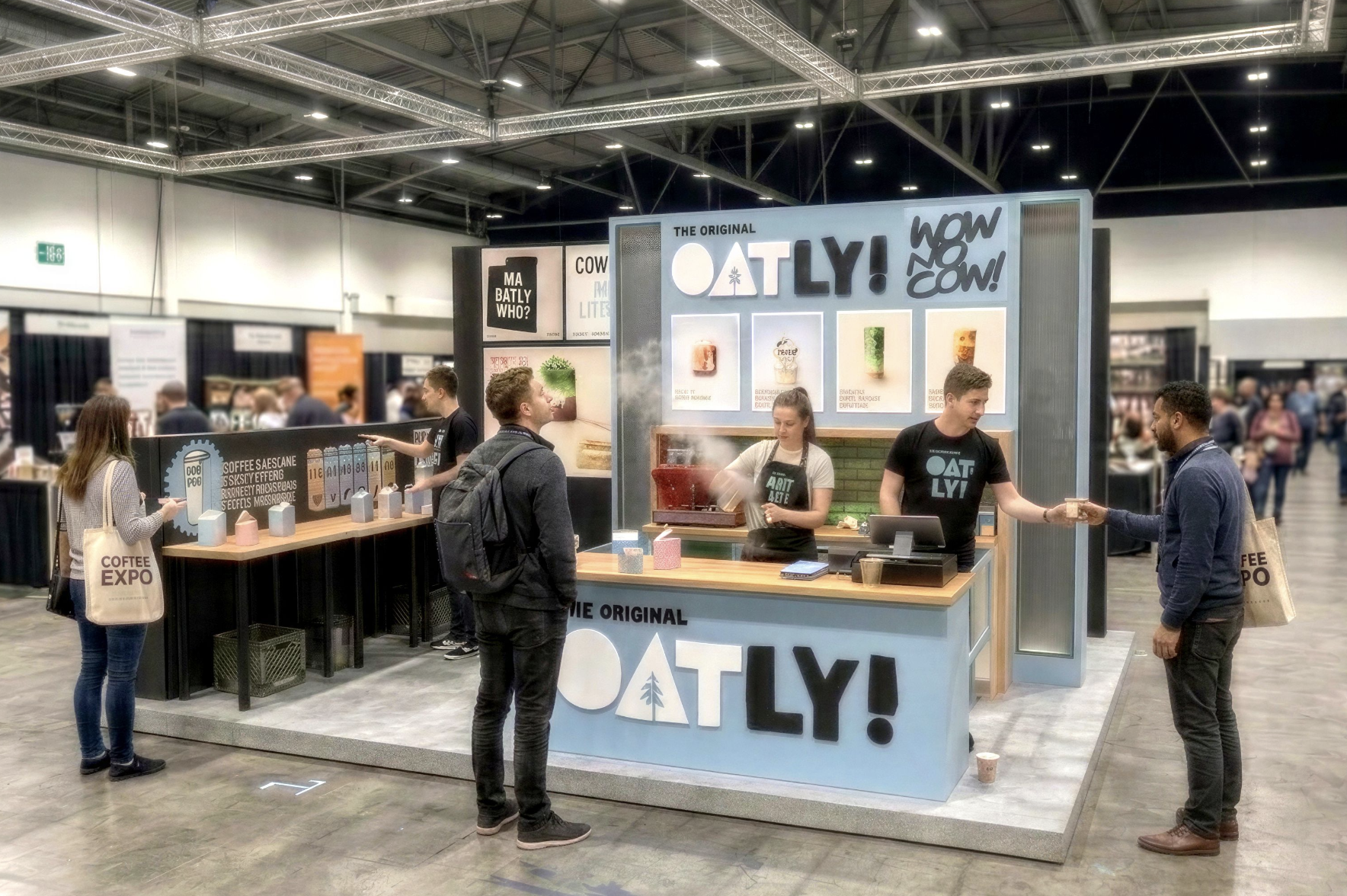
Oatly Booth
Emma Morton
Four concepts spanning compact drink bar to full interactive exhibition, all built around an Oatly-exclusive beverage experience and designed to move people through the brand naturally. The featured booth offers a transparent, hands-on encounter: taste a custom Oatly drink, see its ingredients, leave with the recipe. Vizcom's Studio tools refined the space with lighting and detail, placing the final visualization inside Coffee Fest New York to target café professionals and everyday enthusiasts alike.

Kareha Lamp and Generative Fountain Pen
Adrián Díez Yubero
Inspired by the skeletal structure of dead leaves, this design pursues pure tension: wood and string held in balance with no glue, no hidden hardware, just the two materials working together. An early prototype snapped immediately when string tension split the frame along the wood grain, a failure that sharpened the final result into something intentionally simple and easy to assemble. A parallel direction pushed further into algorithmic logic, growing a geometry mathematically optimized for strength, refined through simulation until the organic, fluid forms achieved the structural stability needed for daily use and a complexity that only additive manufacturing could produce.
Explore Adrian's workbenches for the lamp & pen

K9 LuminVest
Camilia Masias
The K9 LuminVest is a purpose-built tactical harness for working dogs, integrating LED visibility lighting, an onboard camera, and GPS tracking into a comfort-forward design built for search-and-rescue and security operations. A KeyShot and Vizcom pipeline defined the process: KeyShot locking in material fidelity, fabric texture, and hardware, before Vizcom contextualized the vest across different dog breeds to communicate how the product actually fits and functions on a working animal.
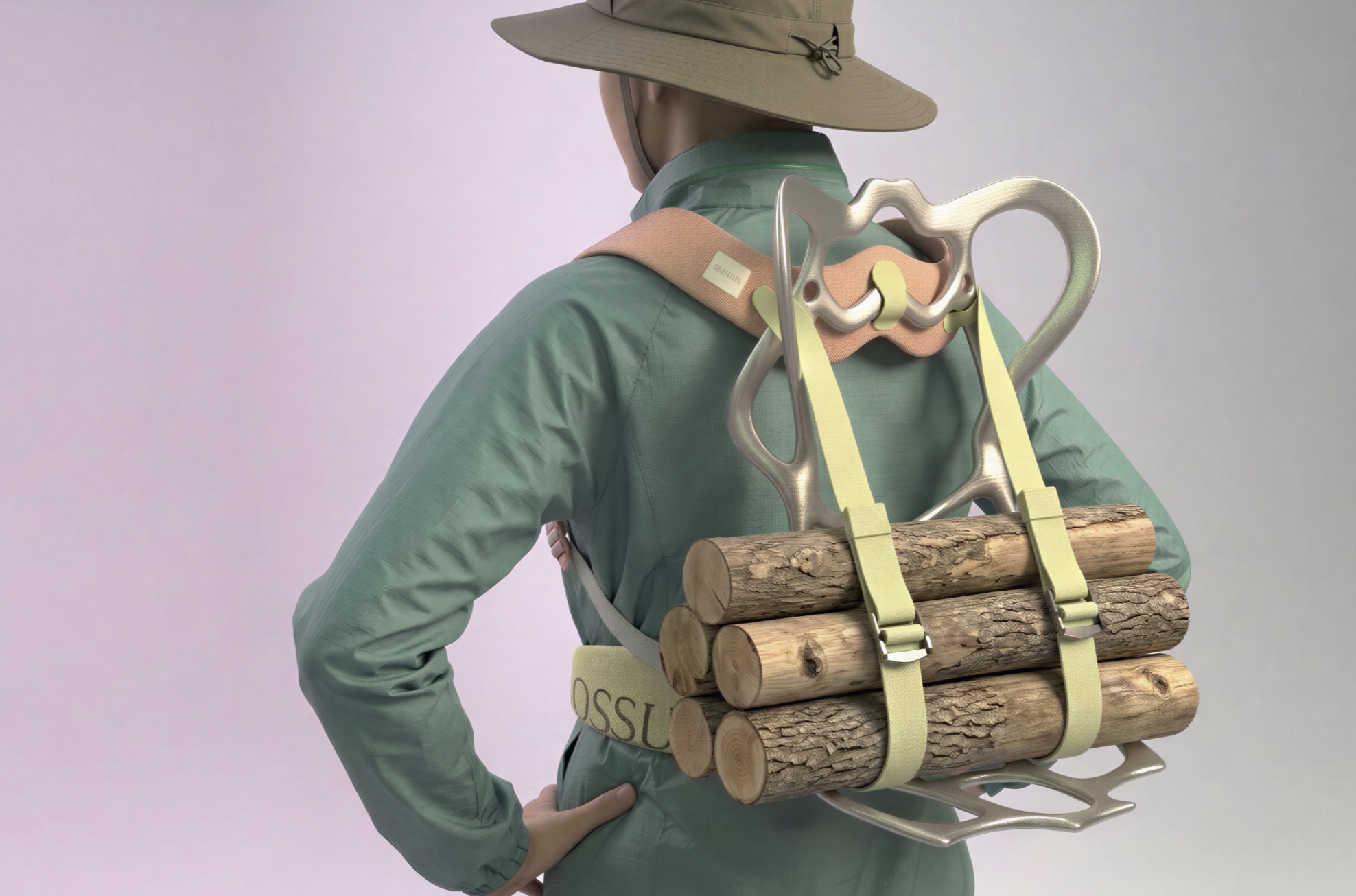
Ossum
Ronan Tang
Ossum is a biomorphic titanium 3D-printed backpack frame engineered to distribute heavy and uneven loads ergonomically across the body. Vizcom accelerated the design process by enabling real-world context visualizations at every iteration — removing a bottleneck that once made mid-process rendering impractical. The result is a design shaped not just by engineering constraints, but by a clearer, faster vision of the finished product.
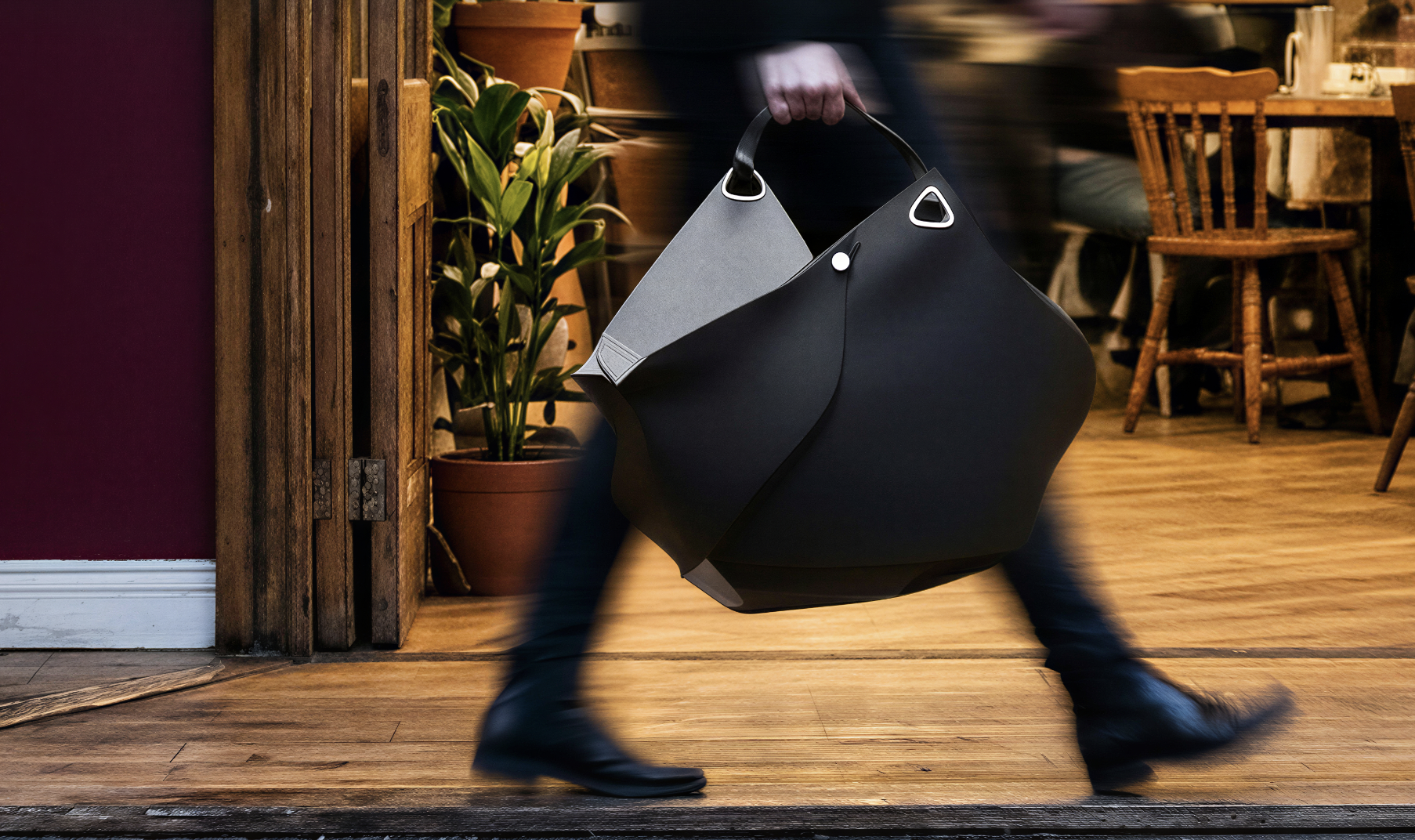
The Urban Working Bag
Rey Gu
A structured carry bag that unfolds into a human-centered work surface, organized, tactile, and built for how people actually move through their day. Leather exterior, woven mesh interior, urban aesthetic, unisex intent. Conceived and refined in Vizcom, from early concept exploration to final direction, a process that transforms ideas into form and pushes design somewhere more intentional.

Hypersand
Ian Daniel Ruiz Miller
Hyper Sand is a futuristic hyper-sports hatchback concept for Cupra projected toward 2040 to 2050, fusing the organic fluidity of sand dunes with aerodynamic tension to capture the brand's bold spirit of speed, freedom, and strength. A process combining manual sketching, Vizcom, and AI-assisted prompting drove the design from a base speed form to a fully realized concept, with material exploration landing on copper finish and carbon fiber to honor Cupra's iconic identity.

Sport Coupé concept
Mauricio Romero
This conceptual sports coupé emerged from an open-ended exploration of form, moving back and forth between sketching, rendering in Vizcom, and correction, with each iteration refining proportion and silhouette until the design felt like a real automobile. The result is a proposal built on the tension between mass and void, where flowing surfaces and open areas create a sense of lightness and motion even at rest, and a metallic silver finish highlights how light moves across the body. Every curve is designed to communicate speed, precision, and a vision of where automotive design could go next.

Lamborghini LM-Extrema
José Antonio Cayón Quintero
This Lamborghini desert racer concept reinterprets the brand's design language into an aggressive, purpose-built pickup engineered for high-speed dune running at the scale and intensity of the Dakar Rally. Exaggerated ride height, sharp geometric surfacing, and pronounced angular volumes create a body that communicates precision, strength, and forward motion, blending the raw functionality of a competition vehicle with the proportions of an Italian supercar. The design was developed through an iterative workflow in Vizcom, moving from pen and marker sketches through AI-assisted renders, multi-view explorations, and continuous surface refinements until the concept reached a fully resolved form.
The platform behind the work
No two designers used Vizcom the same way, and that was the point. What emerged across this exhibition wasn't a single workflow, but proof that the most powerful design tool is one that disappears into the work itself.
The recurring instinct across every project was the same: stay in motion. That meant rapid iteration over polished presentation, accelerating decisions rather than producing finished renders, and stress-testing directions before committing to any one of them. It meant placing work inside real environments rather than isolating it on a neutral surface, letting context do the work that a white backdrop never could.
Where the tool proved most unexpected was in the gap between how something looks and how it feels. Vizcom closed the distance between a sterile CAD render and a real object someone would want to own, giving materials a tactile quality that technical accuracy alone rarely achieves.
And sometimes, the tool served a different purpose entirely. Not generating something new, but recovering something lost. A reminder that visualization is not only about the future of a design. It can be about the past of one too.
The tool changed what was possible. The ideas were always theirs.
Explore
Explore more blog posts & resources to get inspired
Explore the designs of Vizcom's San Francisco Design Week exhibition where furniture, footwear, lighting, and automotive concepts come to life through AI-powered visualization. Follow along as designers share the stories, sketches, and tools behind every piece on display.
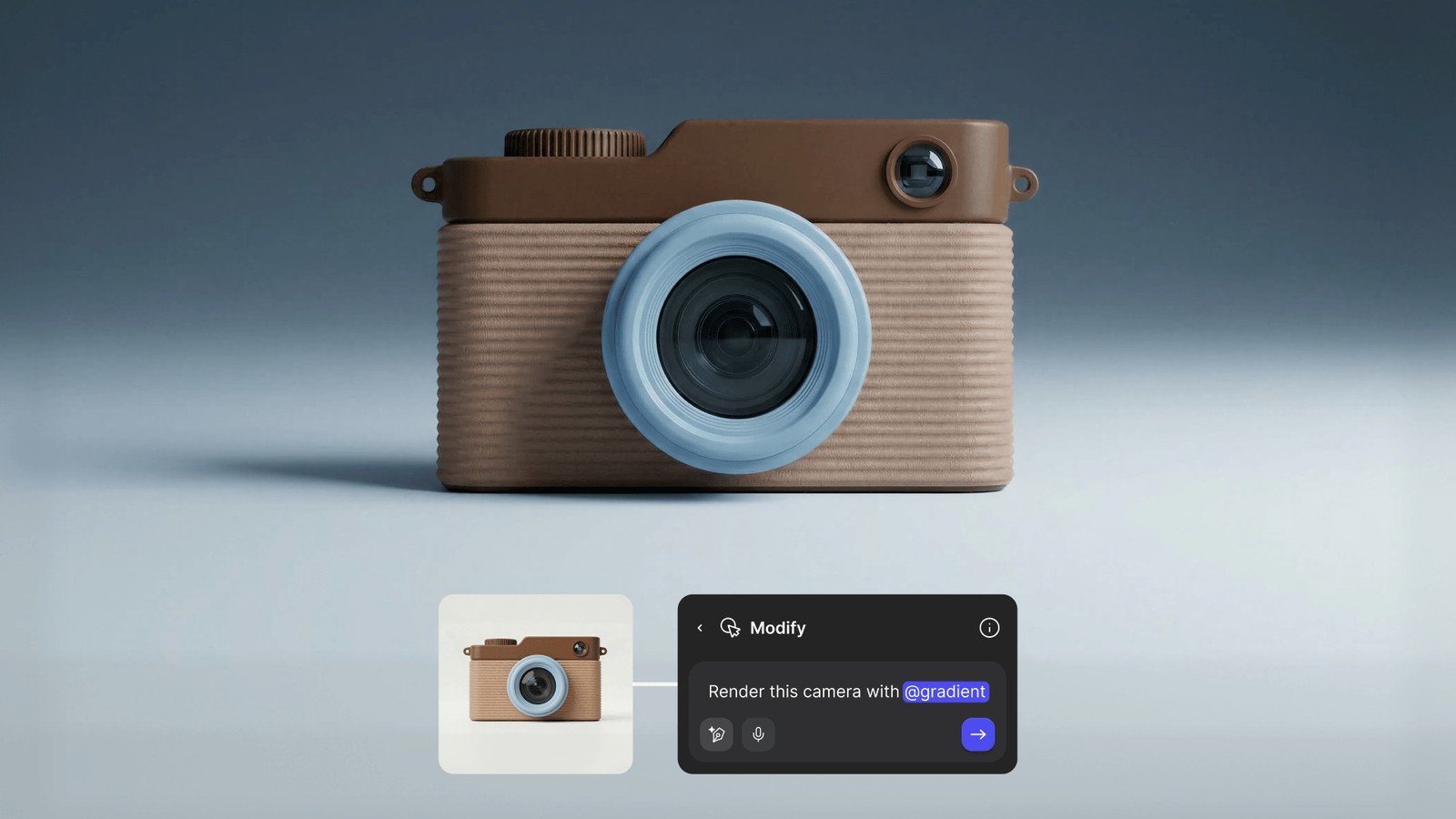
The things you've saved from colors to references to prompts, have always lived one panel over from where you actually work. Today that gap closes.

Frequently asked questions
Yes of course! Our starter plan is completely free, no credit card required. This is a great plan to explore vizcom with.
We accept all major credit and debit cards.
Admins (paid) – can edit files, manage workspace settings, billing, teams, and invite members. Editors (paid) – can edit files but not manage settings, billing, or teams. Viewers (free) – can only view files in read-only mode.
Team billing is handled centrally by the Admin. All paid seats, whether Admins or Editors, are included in a single invoice under the same billing cycle, while Viewers remain free and do not affect the cost.
Yes, you can. An Admin can update the plan in the billing settings, and the switch will take effect on the next billing cycle at the annual rate.
Yes, you own everything you create in Vizcom. For free users, while Vizcom may use generated images to improve its services, it does not claim ownership of your designs, concepts, or original ideas—you keep full rights to them. For paid users, your images and designs remain entirely private and are only used to deliver the service. Every design, concept, and image you create or upload is fully yours and kept confidential.
Vizcom does not use your data to train AI models if you’re on a paid plan. Everything you create stays private and is only used to provide the service. Free users may have their generated images included to help improve Vizcom’s services, but even then, Vizcom does not claim ownership of your designs, concepts, or original ideas—you retain full rights.