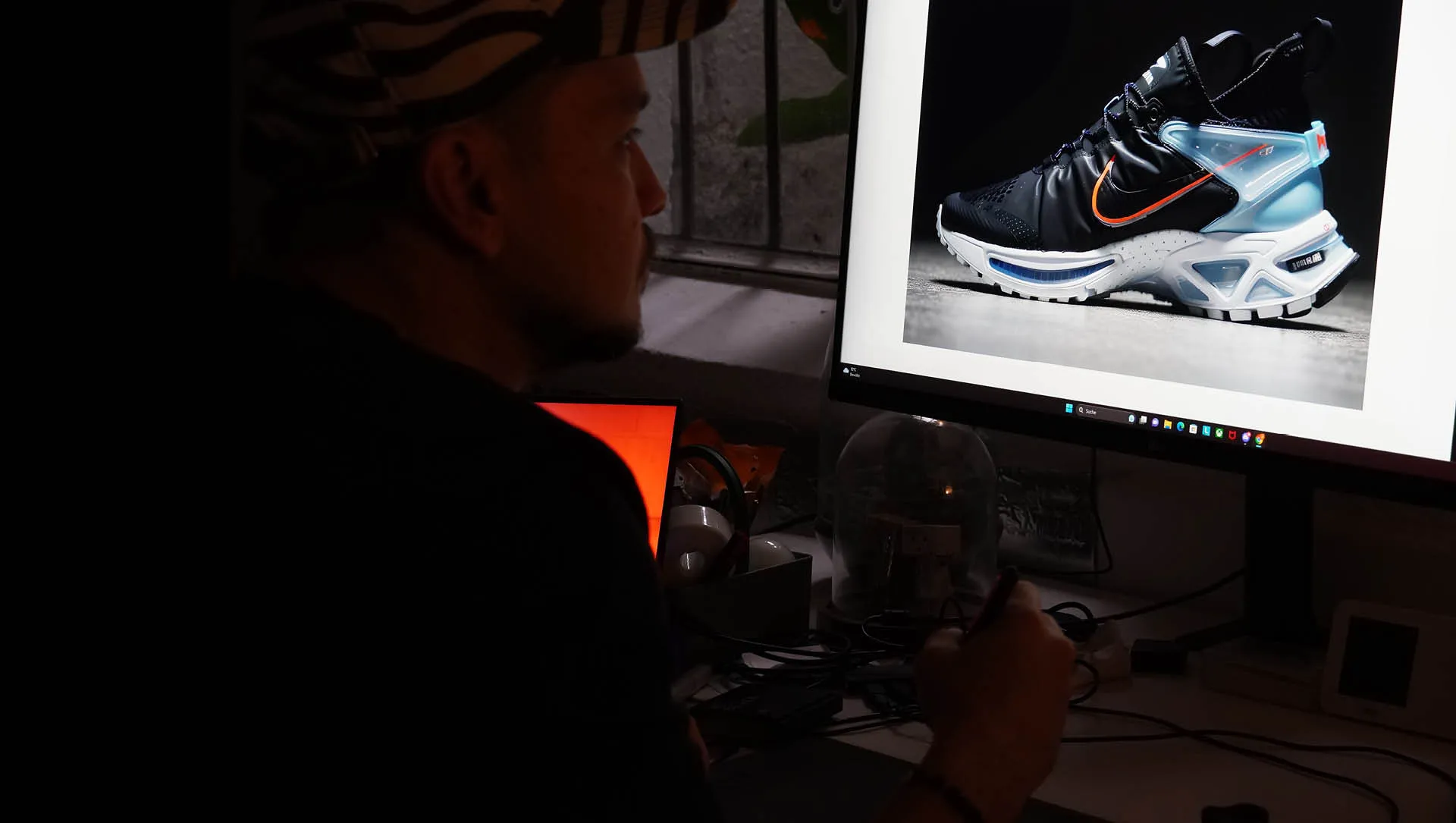
AI as a Design Partner: A Conversation with Dennis Johann Mueller
Footwear designer Dennis Johann Mueller shares how he integrates AI tools like Vizcom into his creative workflow, treating them as collaborative partners rather than replacements. He emphasizes maintaining design fundamentals while using AI to accelerate iteration and overcome creative blocks.

We had the privilege of interviewing Dennis Johann Mueller, a visionary Footwear Designer, who is at the forefront of integrating Artificial Intelligence into the creative process of design.
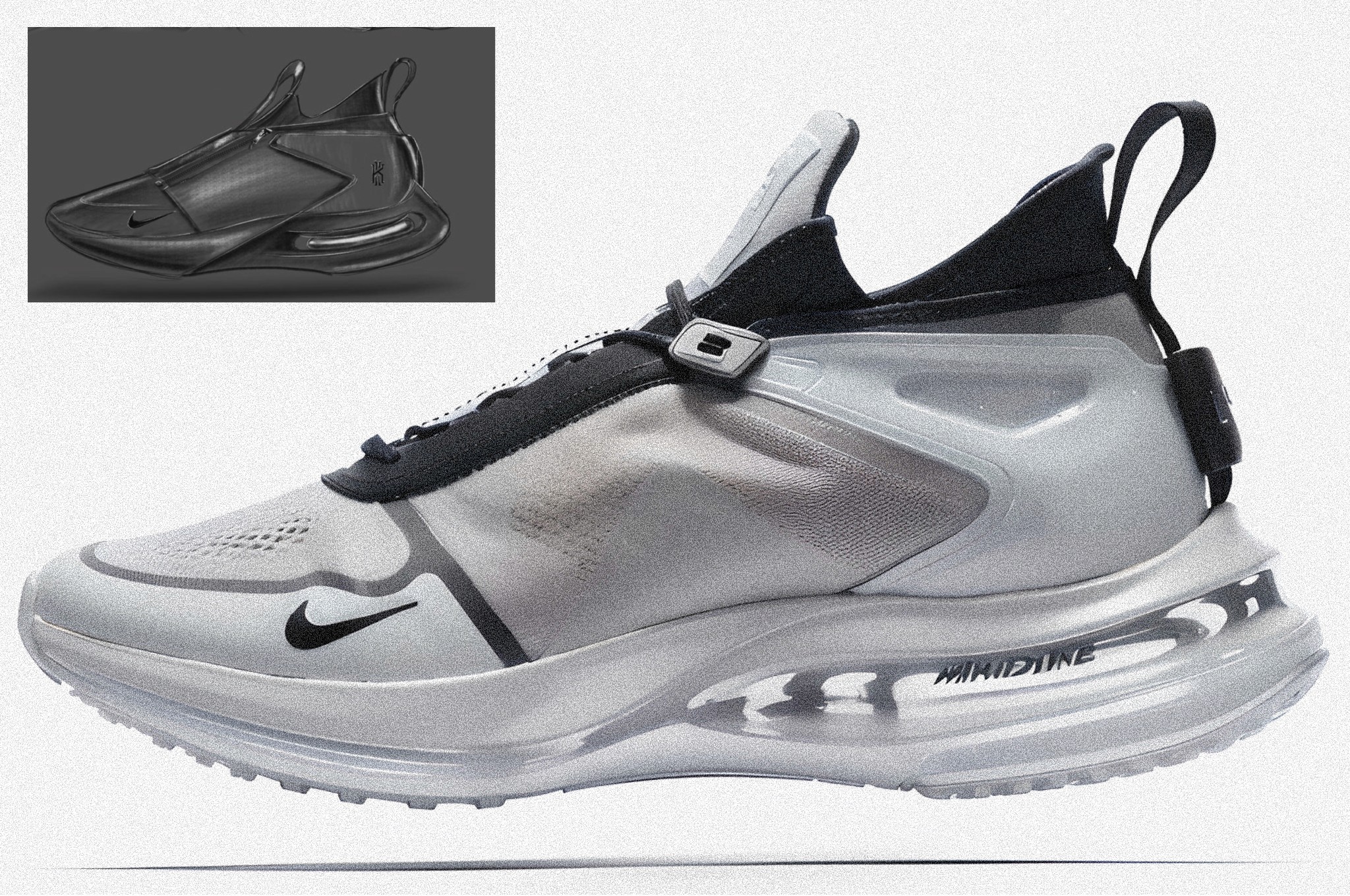
Mueller has embraced AI tools since 2021, finding in them not just a novelty but a profound potential to enhance the design journey. His work, particularly with Vizcom, showcases a symbiotic relationship between human creativity and machine intelligence, transforming the way we think about design, collaboration, and innovation.
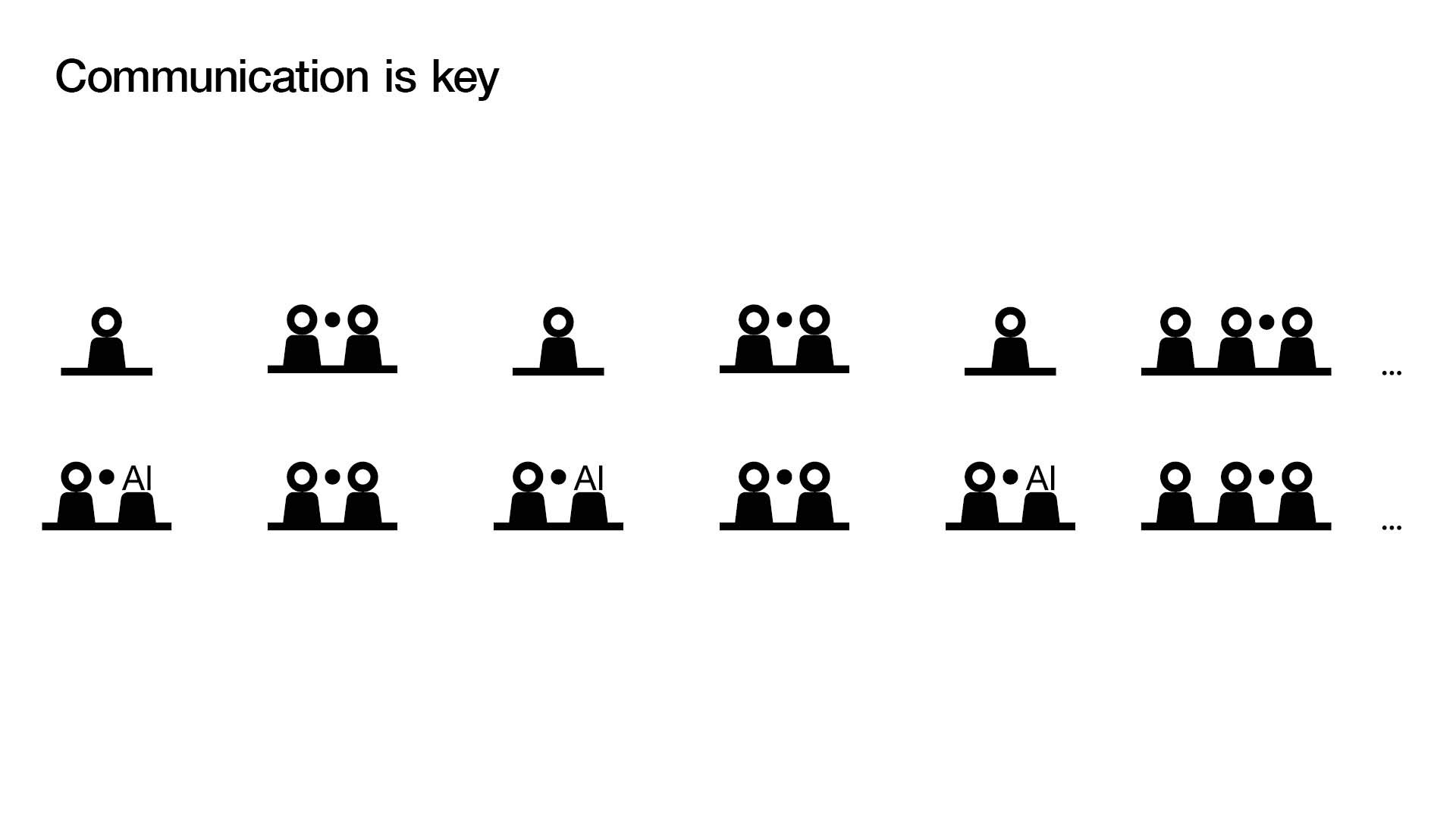
As we explore Mueller's philosophy and workflow, we see a journey that begins with a solitary idea and evolves through constant exchange into a fully fleshed-out product idea, ready to be refined and introduced to the world.
Below, Dennis shares his insights and experiences, offering a first-person perspective into how he's integrated AI tools like Vizcom into his creative processes.
What's a misconception about AI's role in design?
The Creative Co-Worker
People are always afraid of the New. I'm always curious about it. So I started using AI design tools in 2021 and back then I thought it was kind of a nice gadget to play around with but did not see the whole potential behind it.
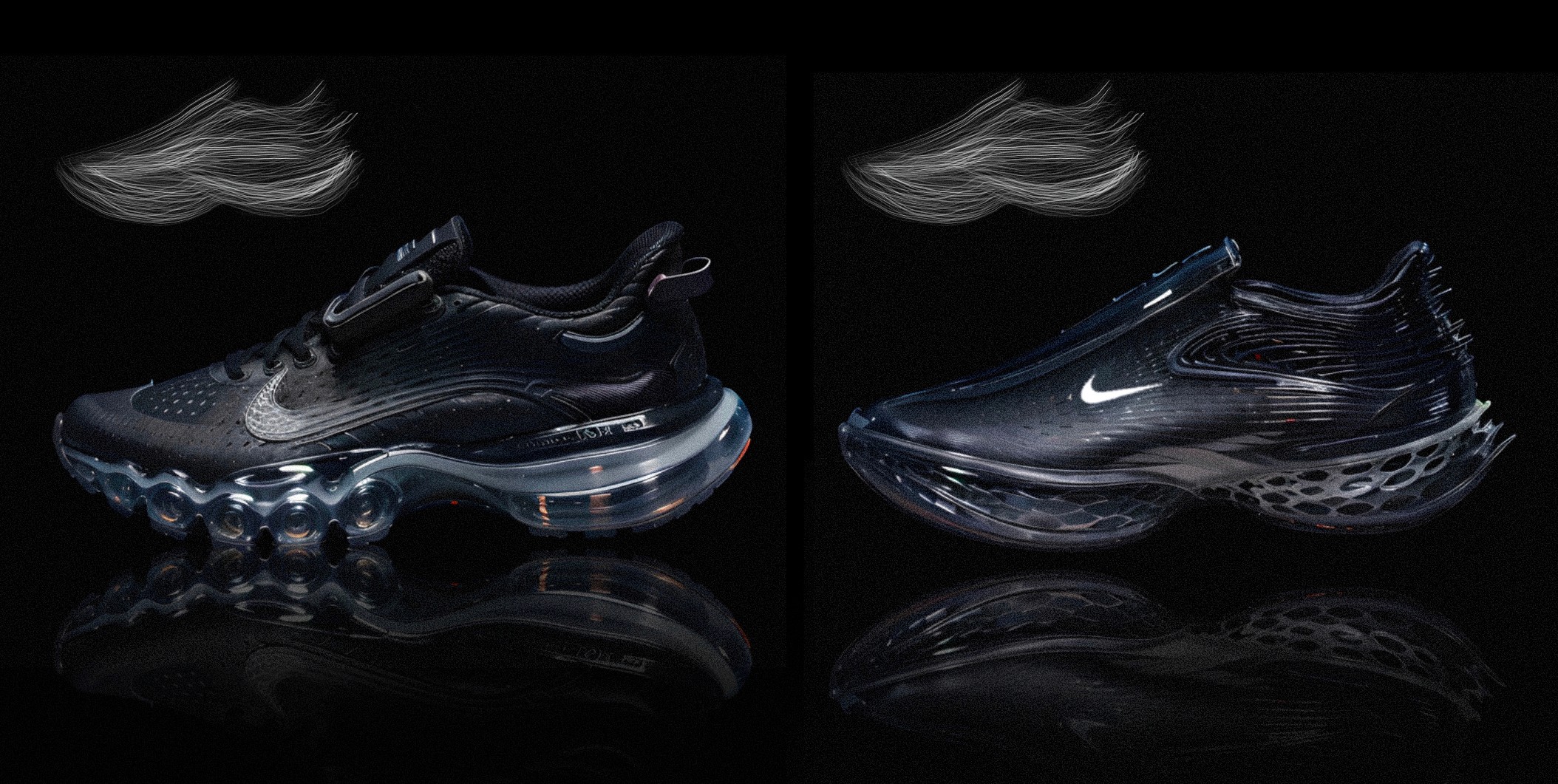
For sure AI in general is under discussion and that's an important thing to do now to compare the positive and negative effects it could cause. But to find out the potential, you need to try it and judge later on. I started using Vizcom heavily at the beginning of 2023. A thing I fell in love with was the intuitive user interface. Nothing distracts you, the functions are very clear and the settings are not overwhelming.
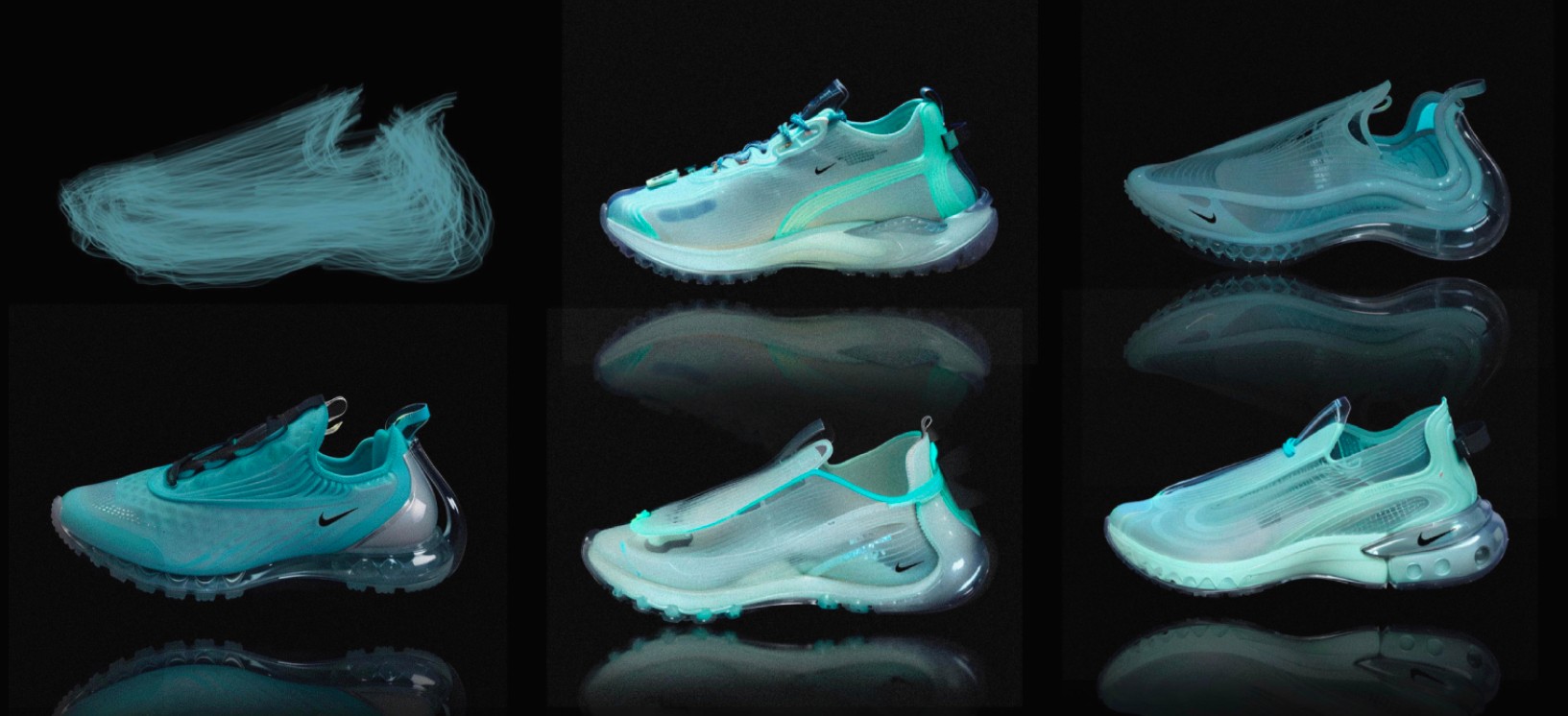
I always begin with a hand-drawn sketch and a self-written prompt, laying the groundwork for my ideas in a traditional creative manner before digital rendering. Many misunderstand this part, but to me, it's akin to an early-stage collaborator where I share initial concepts shortly after starting a project. Effective communication, even in these nascent stages, is crucial for success. Engaging in clear, unbiased exchanges with tools like AI can significantly enhance the outcome.
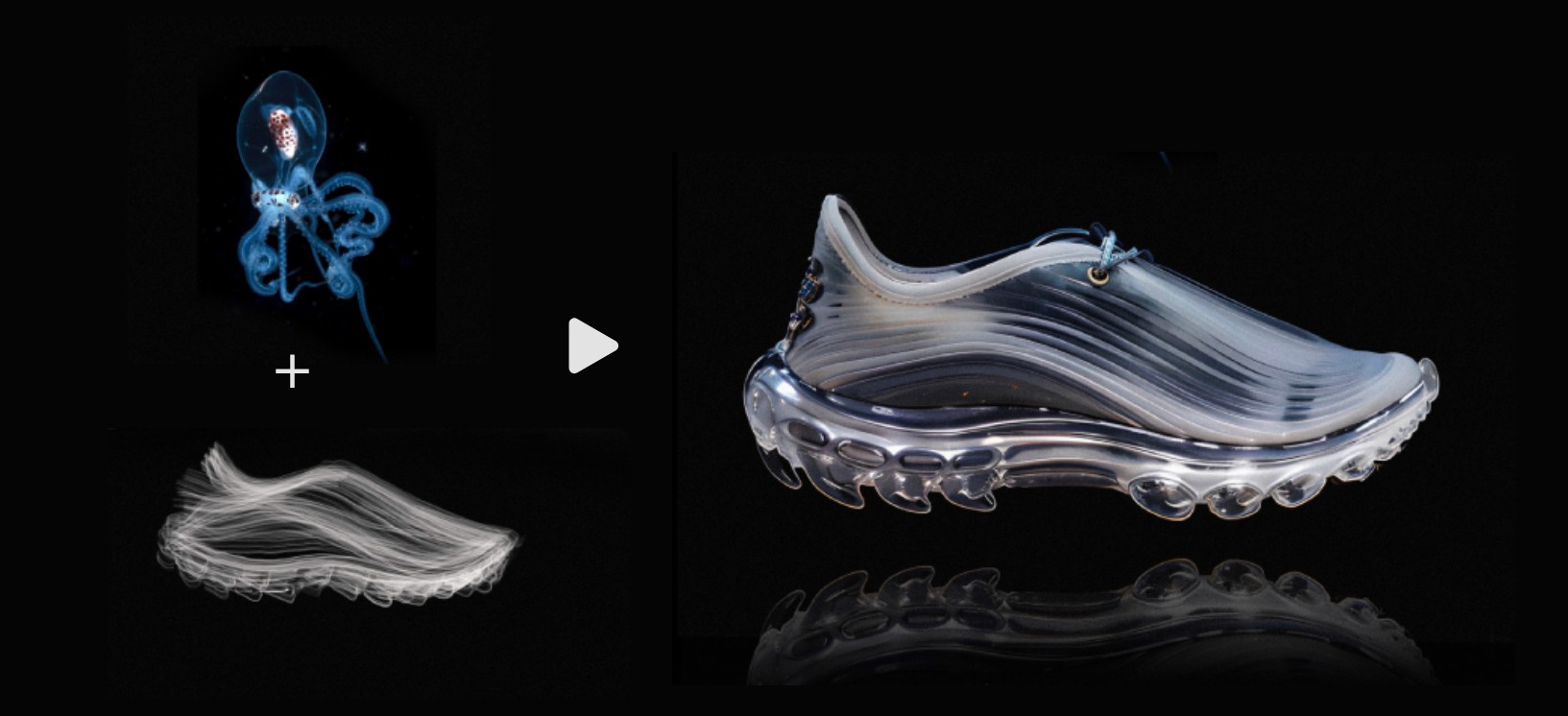

I'm not saying that you should always use AI tools but in some cases, it makes sense, especially when you're stuck with new ideas and have a kind of writer's block in design. Then I always use a sketch and put it into Vizcom to create new ideas or give the initial idea a twist, edge, and/or life.

Another misconception is that AI tools should just render out the idea you had in your mind. I use Vizcom very organically and go with the flow. But what does this mean? I never get stuck too much on that first idea.
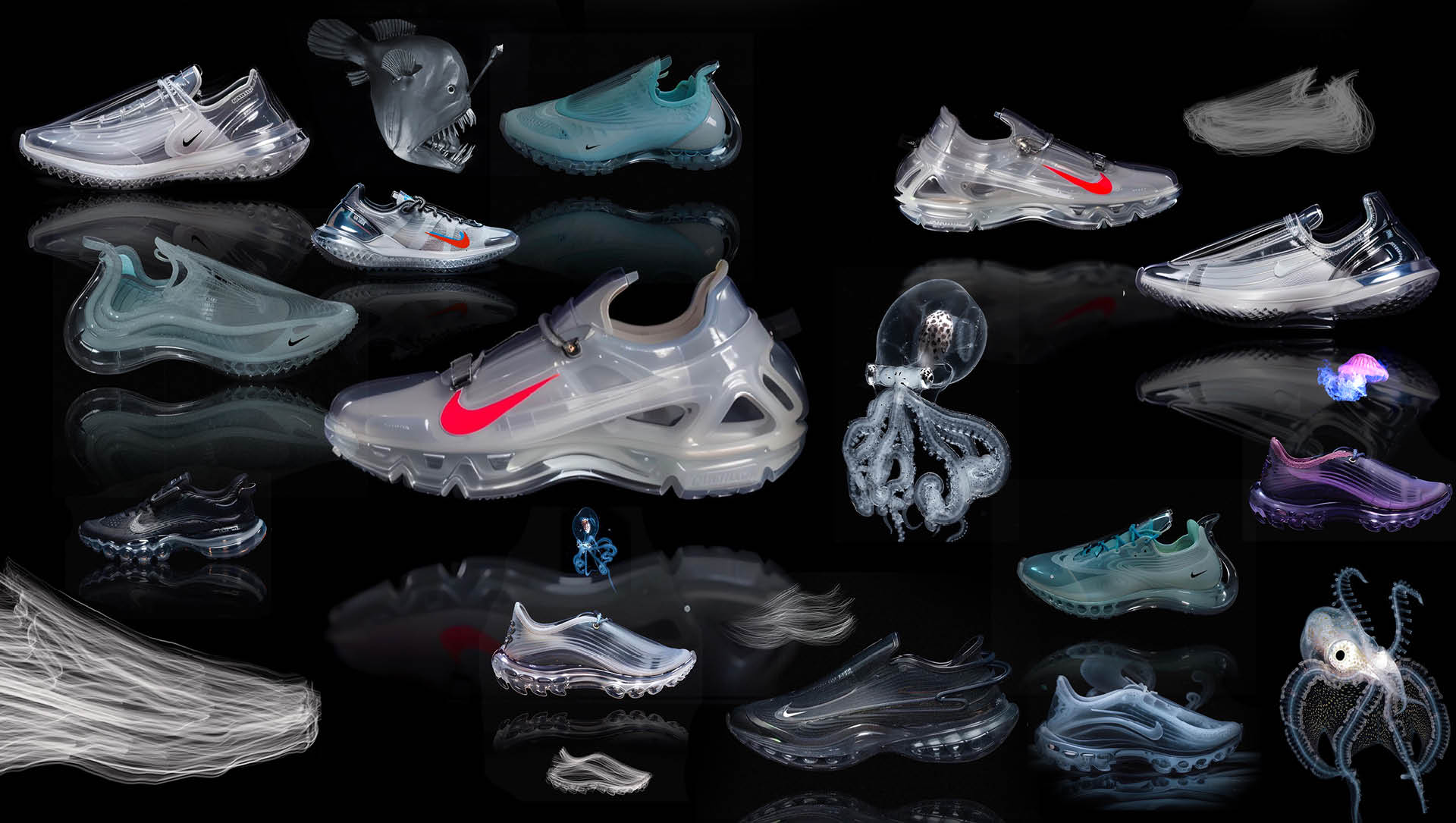
I trust my instincts and stay alert for the intriguing. This approach requires a creative lens to spot and appreciate unique elements. Whenever something catches my eye, even a minor detail, I make a note of it to possibly blend with other designs, shapes, or materials later. I frequently employ Procreate for initial sketches, then transfer these ideas into Vizcom to add realism and depth.
Try to see Vizcom as an extension of your creative mind rather than an enemy who's stealing your job. At the end, we still guide the whole journey and make the decisions.
How do you balance Vizcom with human-centric design?
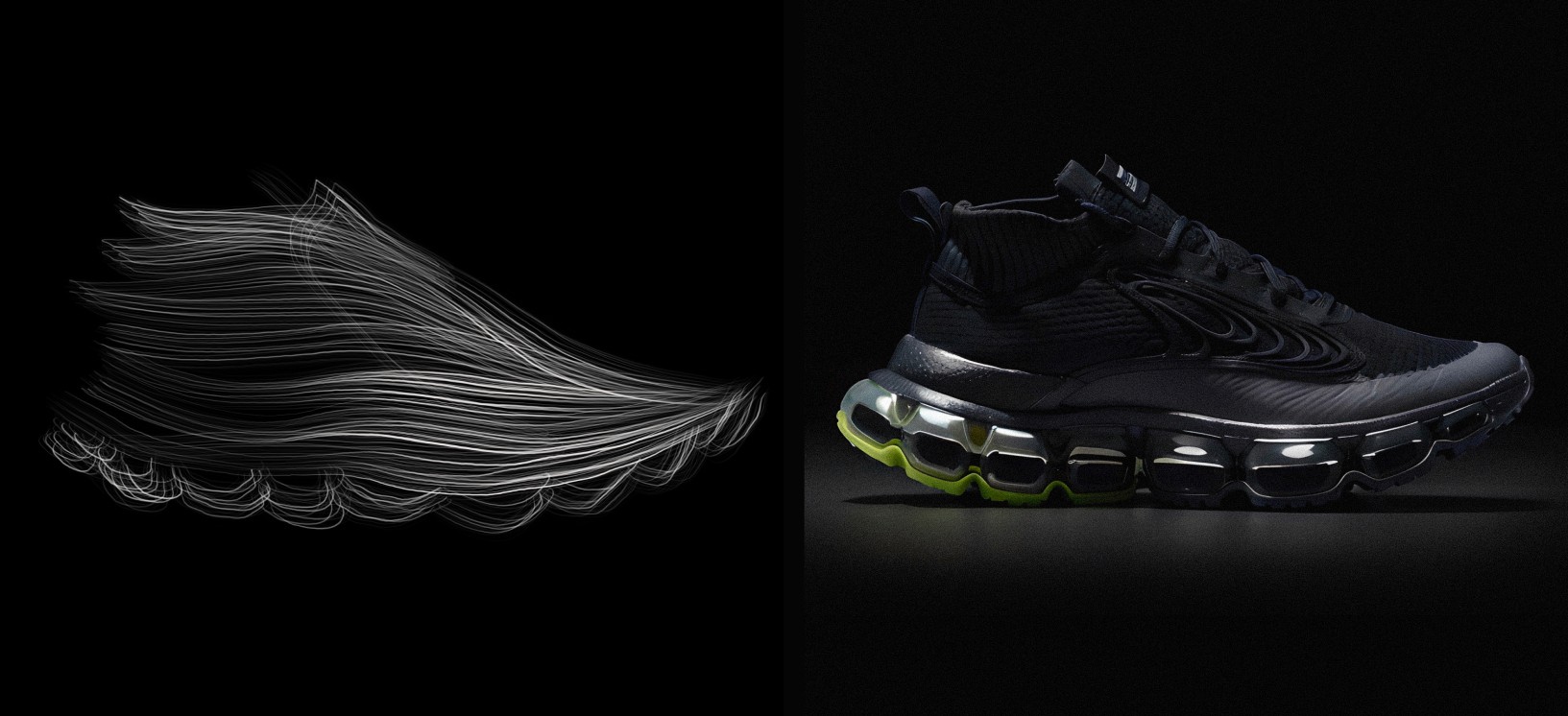
In designing footwear, starting with the last is crucial, particularly for performance shoes, to ensure proper ergonomics and fit from the beginning. Typically, I begin with a side-view sketch as my foundation. From there, I refine my ideas by moving on to Vizcom. This stage helps me either polish my initial concept into a rendered version or explore new design directions.
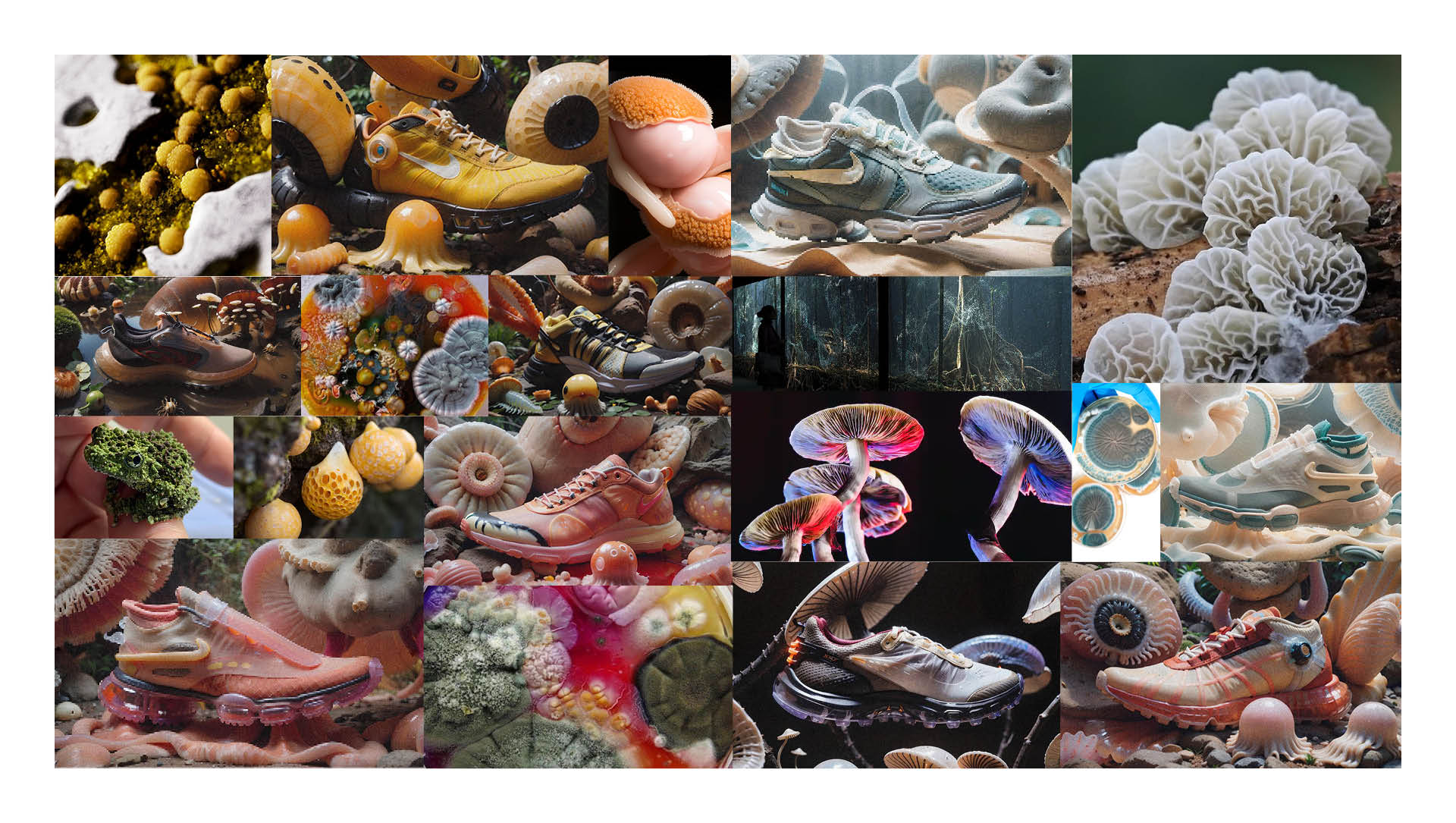
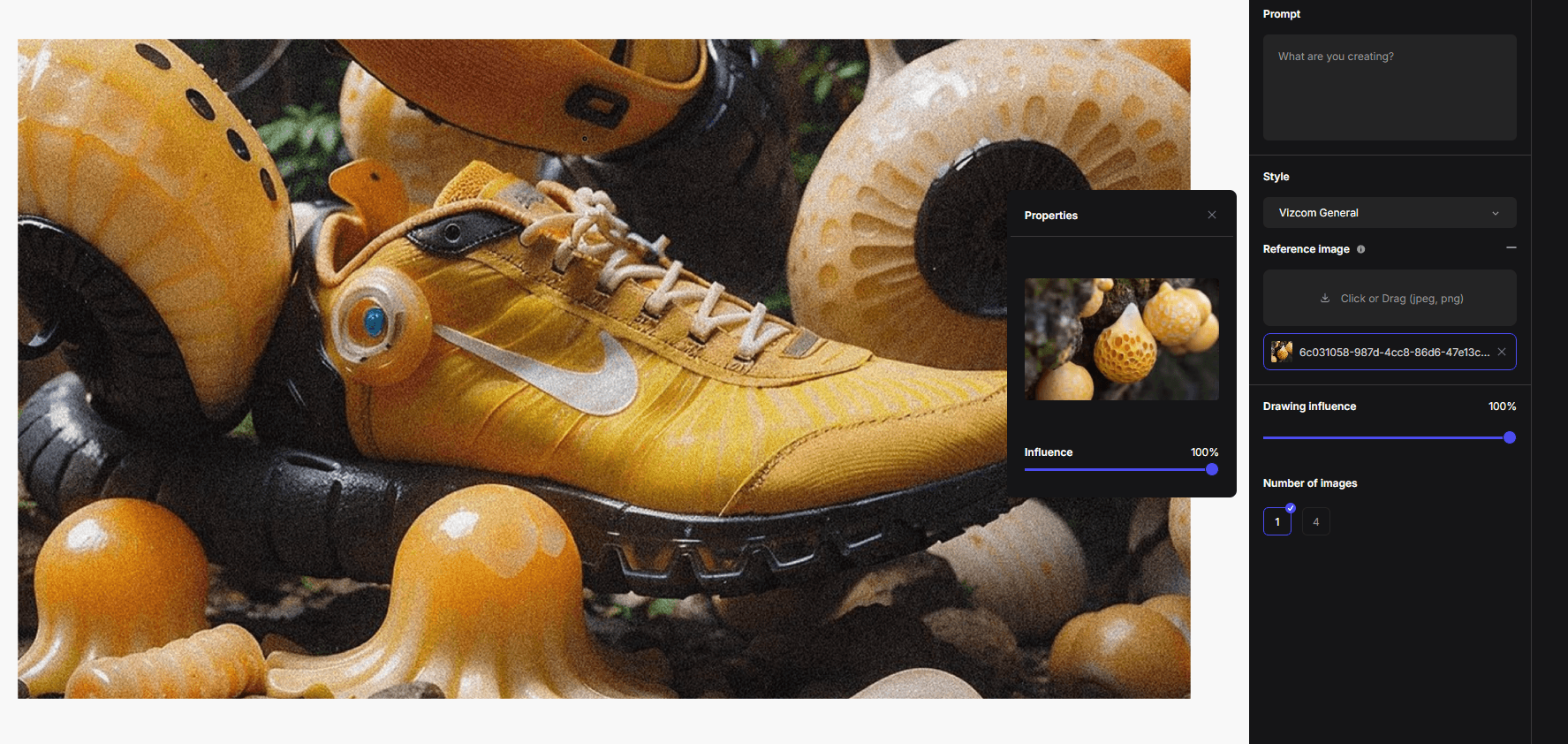
A common misunderstanding about AI is thinking that once it generates hyper-realistic images, the work is complete. However, creating designs that truly cater to human needs involves multiple steps to ensure the final product is genuinely effective.
How do you see AI influencing the design process in the next 5 years?
I told a lot of friends that it's an exciting time to be a designer. Sure we have some serious challenges to tackle but as soon as everybody understands the power of collaboration beautiful things can happen. Collaborations in all ways, people from different departments, companies, countries, and backgrounds, but also man and machines.
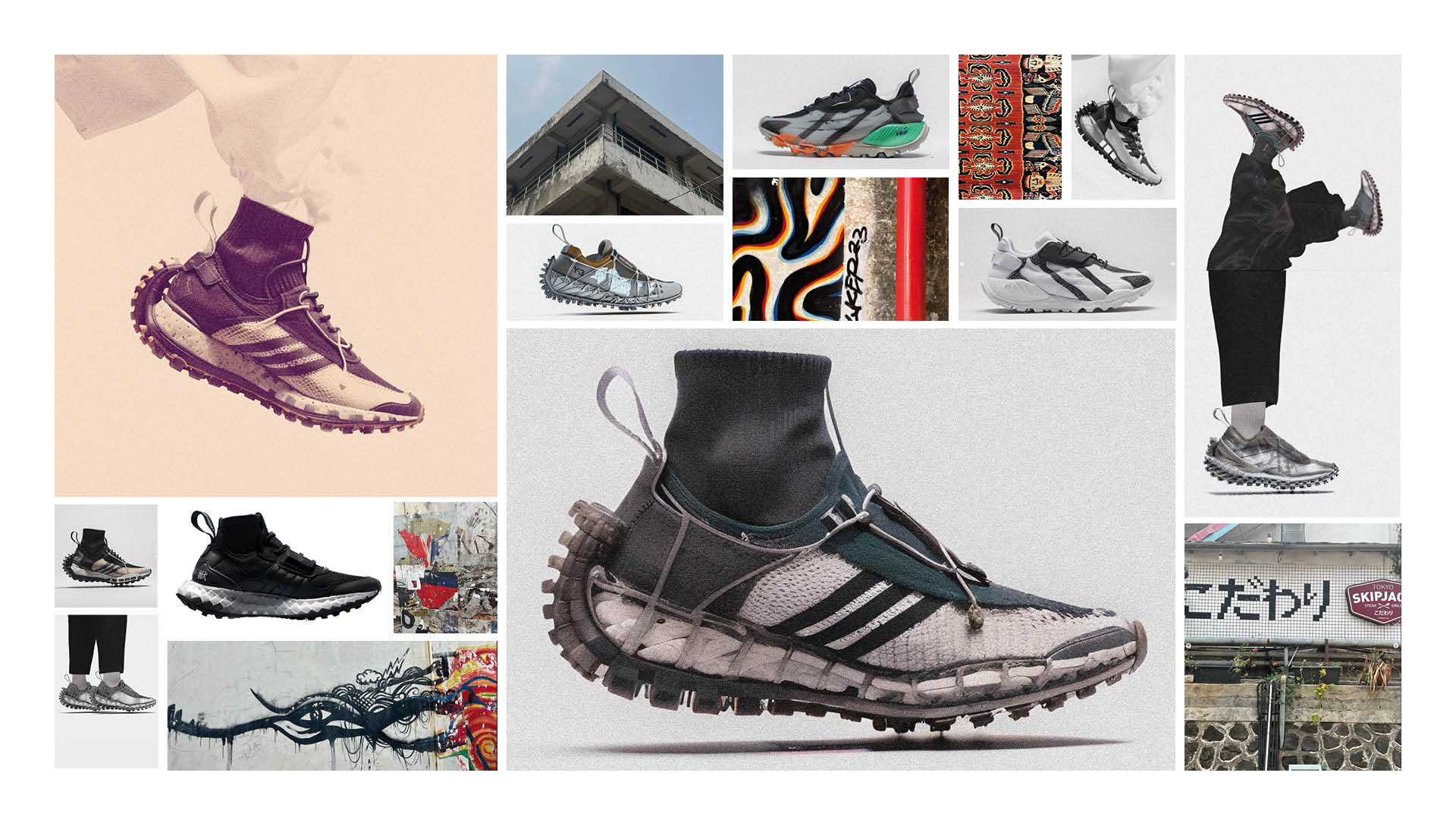
In the next 5 years, a lot of repetitive activities will be heavily influenced by AI in design. CMFs, Tech Packs, 3d to manufacture are just a few topics creatives won't spend as much time on as they used to. This is amazing because then we will have more resources to invest in storytelling, experimenting, questioning the status quo, finding real sustainable solutions, and interacting with people more often again.
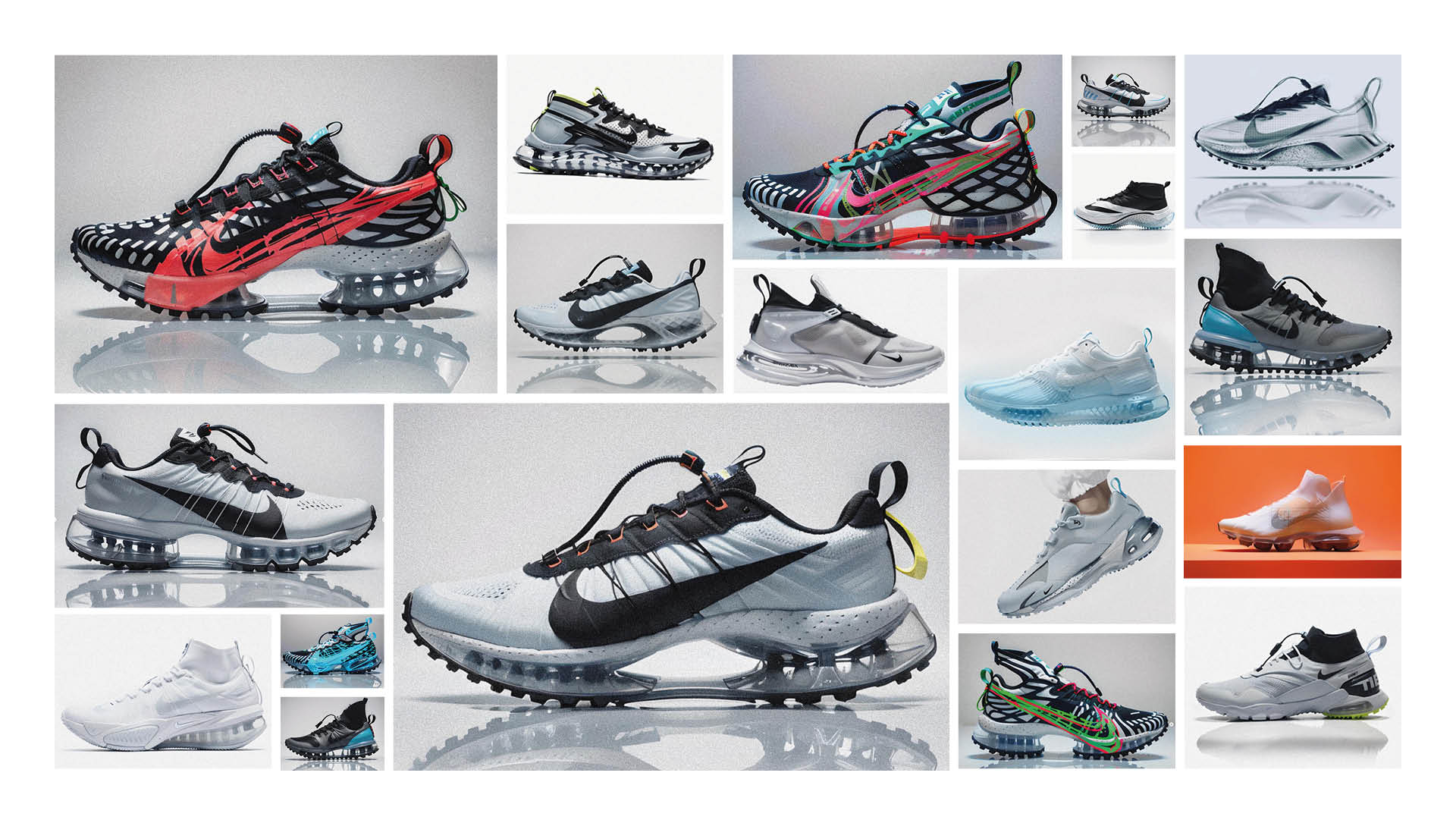
Besides the quantity and quality of creative ideas within a shorter timeframe will increase a lot. So, there needs to be good designers and core team members to judge all these results to take the right path.
Describe the most exciting aspect of merging industrial design with Vizcom.
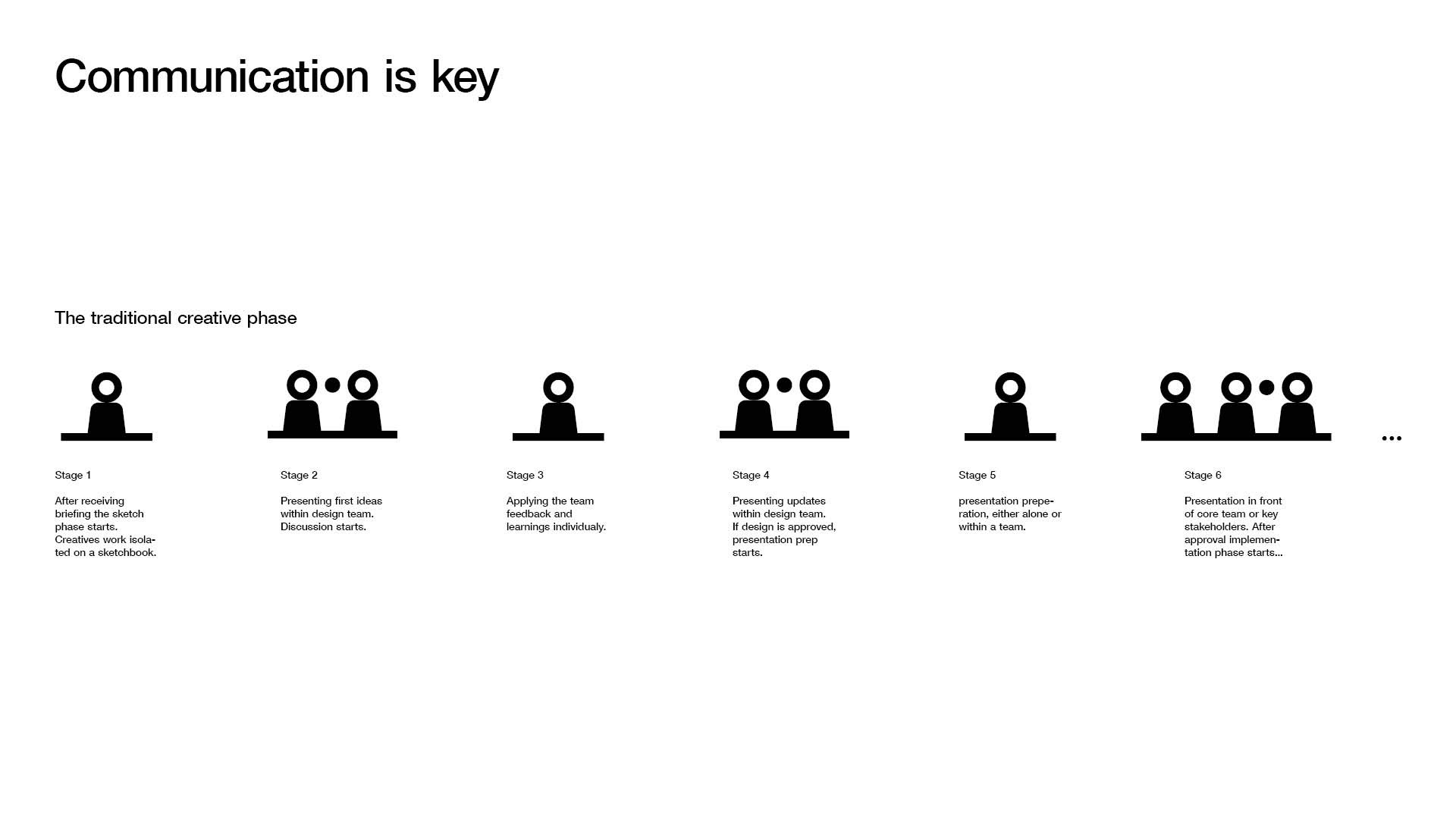
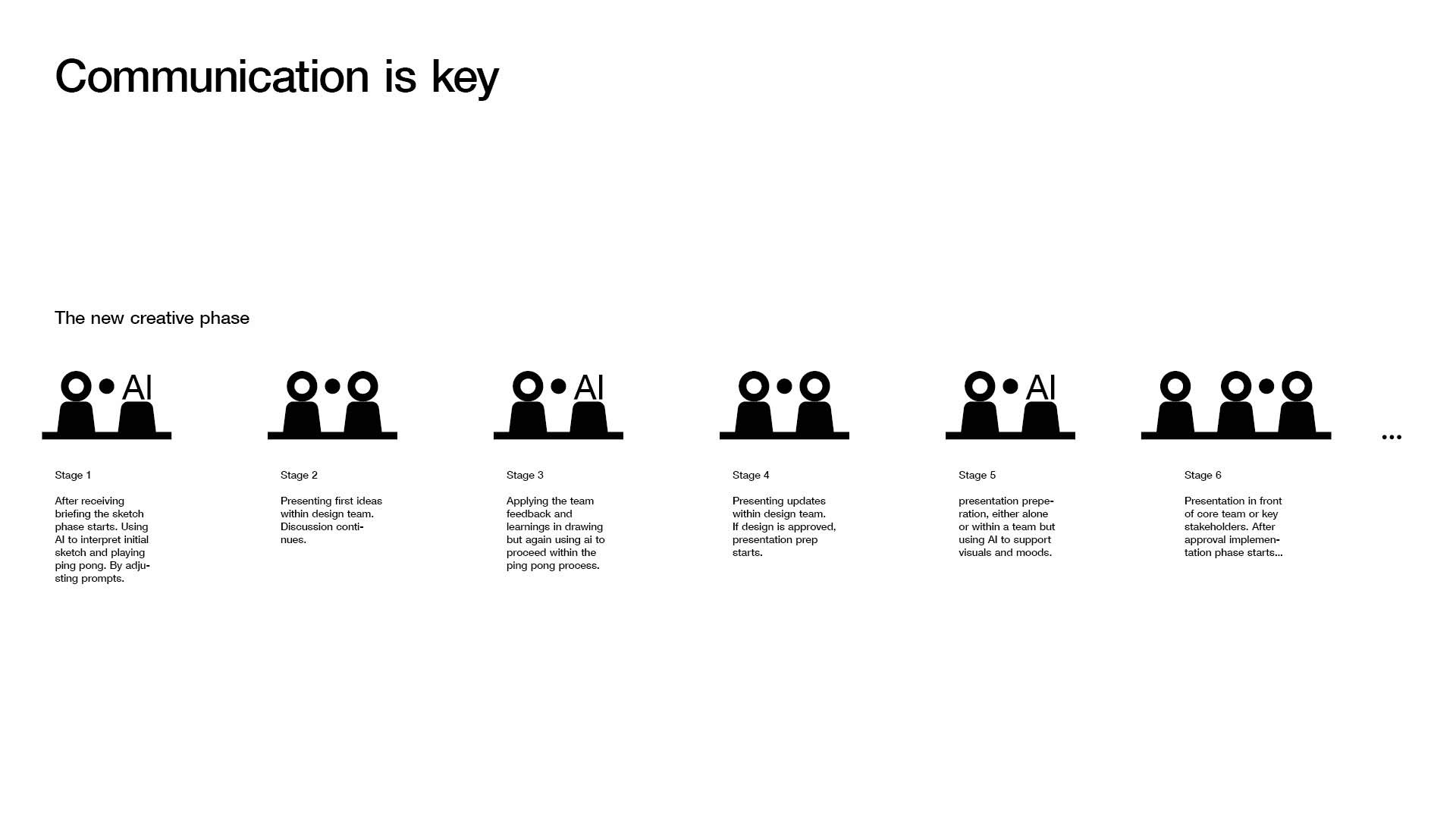
As mentioned in the beginning, the real strength is having a coworker now all the time. Playing ping pong with ideas creates a unique energy where sometimes it doesn't feel like work. It's more like being in a flow state, comparable with a runner's high where one idea leads to the next.
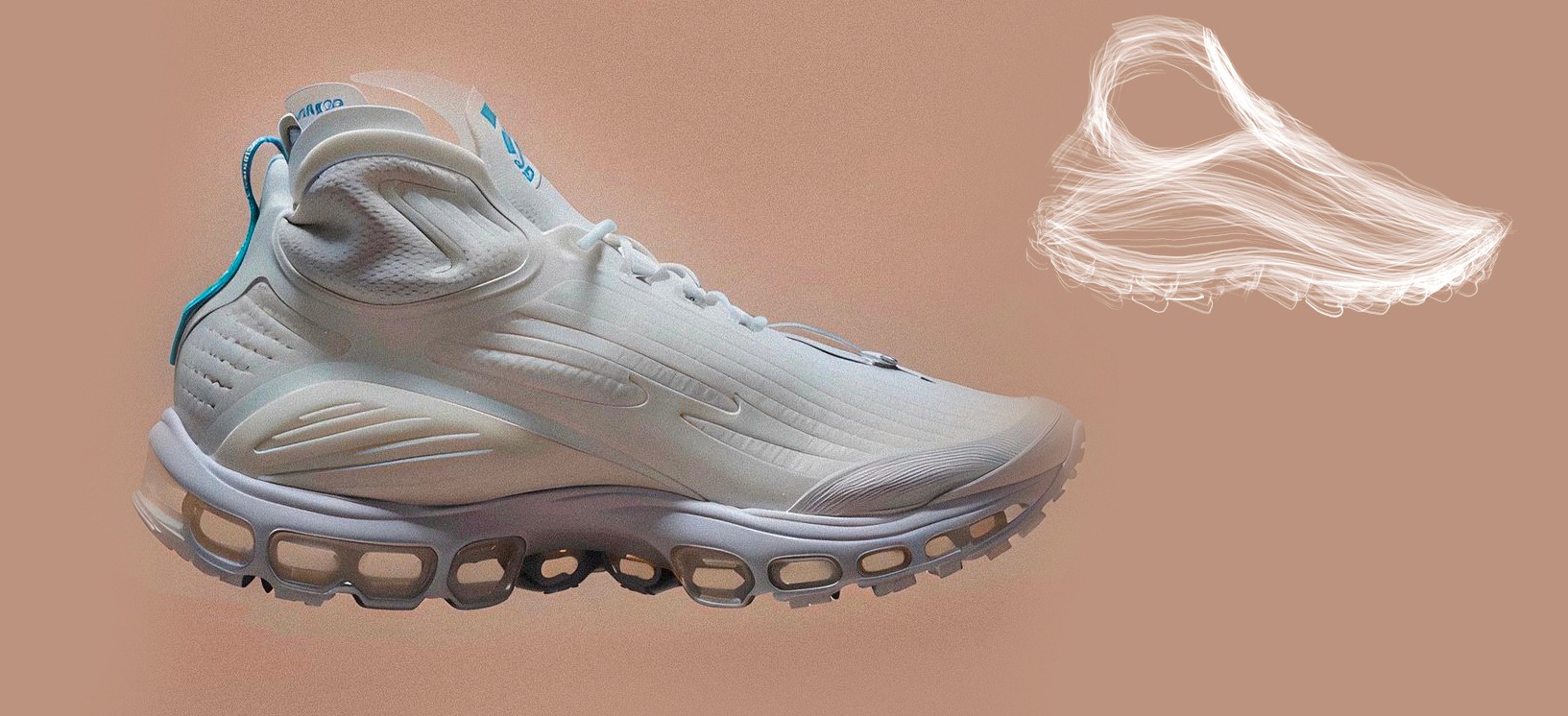
It can get you addicted in a way. It's that magical moment when Vizcom renders out a new vision in such a hyper-realistic way, that you feel that there is something special the world did not see before.
How can young designers & students best prepare for the AI-driven design landscape?
I've always been a huge fan of building fundamentals in the beginning. Especially living in a digital world, we need to learn the basics like model making to understand our physical world first. This is a very important step a lot of creatives nowadays are missing.
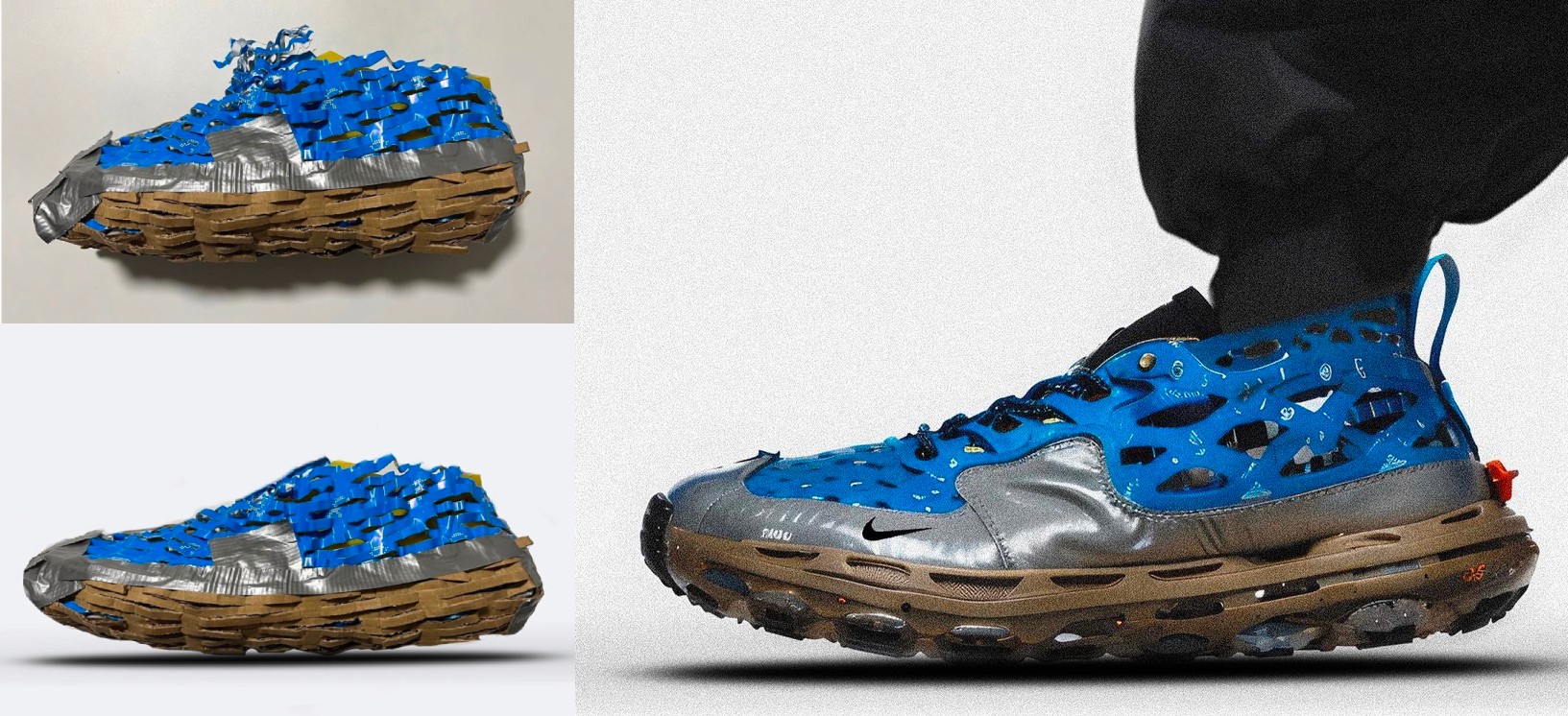
To create innovative designs that stand the test of time, we must master ergonomics, refined silhouettes, seamless surface transitions, and the principles of the golden ratio, among other skills. It's crucial for young designers to begin incorporating these tools early in their careers. However, it's equally important for the emerging design culture to remain critical and challenge the status quo.
👉 Learn more about Dennis Johann Mueller and his work here
Explore
Explore more blog posts & resources to get inspired
.avif)
Bloom is a 3D-printed lamp series by Anshuman Kumar that draws inspiration from the organic act of blooming, blending spiral growth with digital fabrication to create a calm, wire-free light. This spotlight follows his process—from hand intent to rapid iteration in Vizcom—and how speed, serendipity, and making helped refine the design from screen to object.
Add-ons and the new Premium Usage Dashboard give you more control over how and when you create in Vizcom, removing hard limits and making premium usage flexible. Top up actions when you need them, track everything in one clear view, and keep your creative flow moving without interruption.
.avif)
Industrial designer Jara Freund turned a familiar frustration—books constantly toppling over and shelves drowning in clutter—into the PlyForm Shelf, a modular system that pairs functional clarity with Bauhaus-inspired personality. This spotlight explores her process, from early sketches to rapid iteration in Vizcom, and how digital tools helped carry the idea from concept to physical reality.
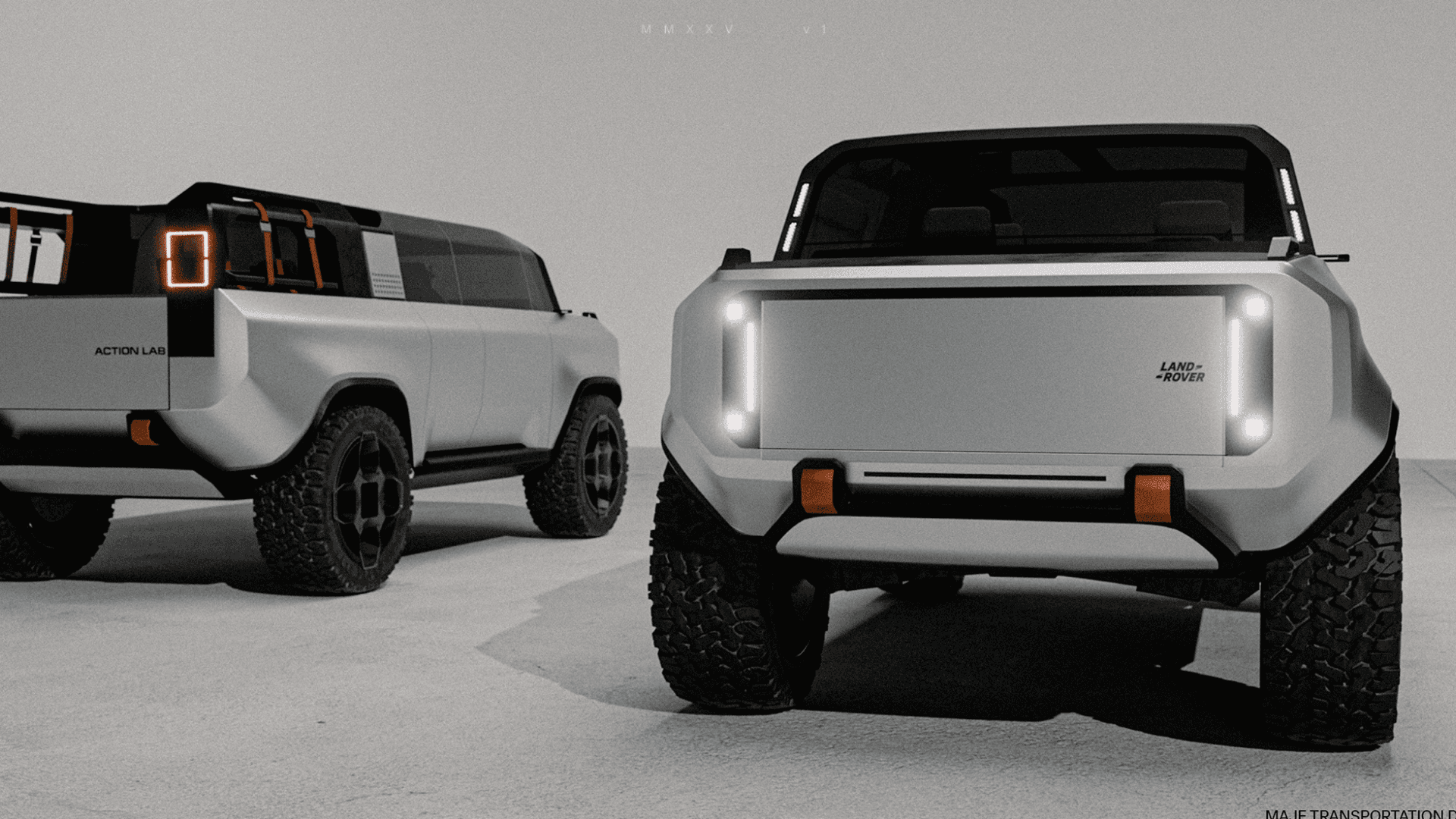
When Rishav Kumar set out to create MAJE TD, his vision was clear: give transportation design students and professionals the tools, guidance, and intensity needed to create portfolio-defining work. The four-week workshop doesn't just teach design: it challenges participants to think critically about brief selection, how to integrate AI into their workflow, and craft presentations that resonate with industry leaders. Rishav, a Level II Interior Designer at KIA America with experience at Polestar and Canoo, started his career in automotive design through competitions and intensive workshops hosted by industry leaders. Now, as the founder of MAJE TD, he’s bringing his journey full circle by creating those same opportunities for students.
Frequently asked questions
Lorem ipsum dolor sit amet, consectetur adipiscing elit sed do eiusmod tempor incididunt ut labore.
Yes of course! Our starter plan is completely free, no credit card required. This is a great plan to explore vizcom with.
We accept all major credit and debit cards.
Admins (paid) – can edit files, manage workspace settings, billing, teams, and invite members. Editors (paid) – can edit files but not manage settings, billing, or teams. Viewers (free) – can only view files in read-only mode.
Team billing is handled centrally by the Admin. All paid seats, whether Admins or Editors, are included in a single invoice under the same billing cycle, while Viewers remain free and do not affect the cost.
Yes, you can. An Admin can update the plan in the billing settings, and the switch will take effect on the next billing cycle at the annual rate.
Yes, you own everything you create in Vizcom. For free users, while Vizcom may use generated images to improve its services, it does not claim ownership of your designs, concepts, or original ideas—you keep full rights to them. For paid users, your images and designs remain entirely private and are only used to deliver the service. Every design, concept, and image you create or upload is fully yours and kept confidential.
Vizcom does not use your data to train AI models if you’re on a paid plan. Everything you create stays private and is only used to provide the service. Free users may have their generated images included to help improve Vizcom’s services, but even then, Vizcom does not claim ownership of your designs, concepts, or original ideas—you retain full rights.