For Scott Robertson, AI is just another world to explore

The designer, educator, and world-builder behind some of the most studied sketching books in history explores what happens when AI becomes a collaborator, not a replacement.

A designer who has always built what’s next
Scott Robertson grew up without the internet, without computers, without video games. What he had were movies, books, and model kits - and an obsession with building things with his hands.
By age 11, Star Wars had cracked open a new dimension of possibility. A parallel universe, as he puts it. That sense of world-building never left him.
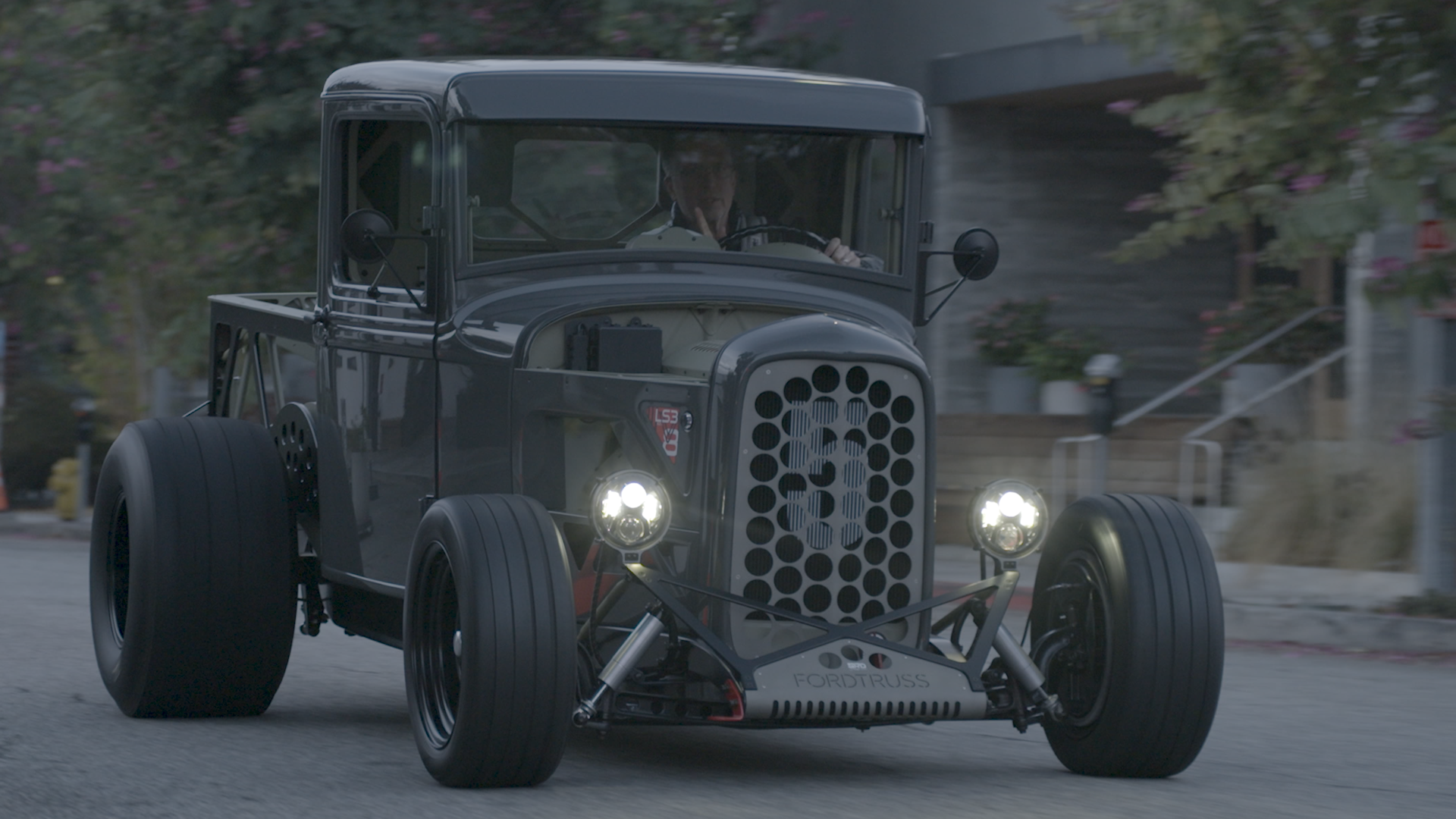
He went on to become one of the most recognized names in transportation and concept design, authoring books studied by designers in studios and universities around the world. He designed and built his own car.
He built worlds and then found a new one.
AI as a new world to explore
When Robertson encountered AI as a creative tool, his reaction was not resistance, it was recognition. The same feeling he had watching Star Wars at eleven. A world that didn't exist before, opening up.
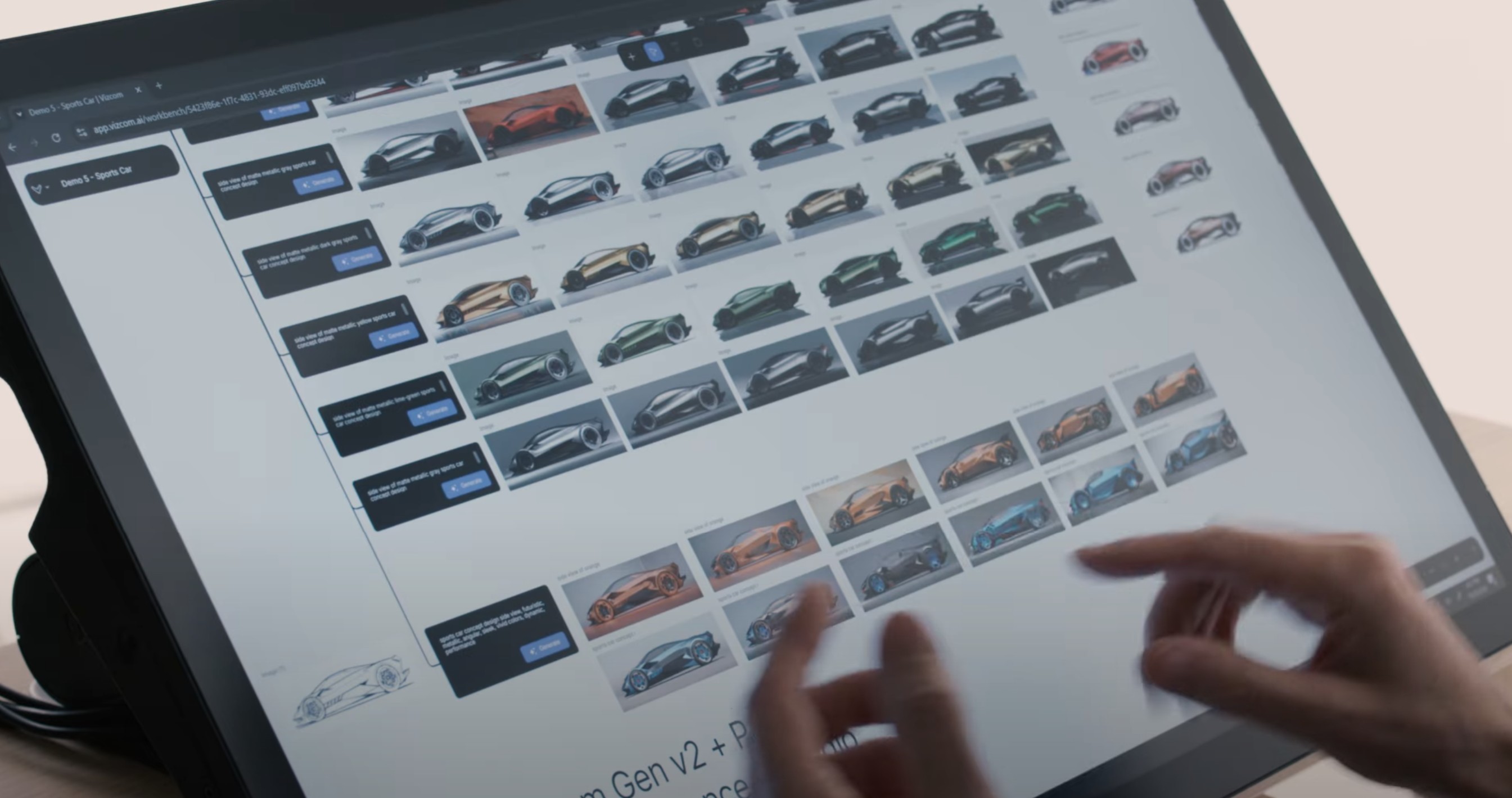
He describes working with AI as a conversation with parallel versions of himself. He sends out a prompt with a sketch variation and different variables, and something comes back — sometimes expected, sometimes startling.
What he is building toward is a future where multiple versions of his creative instincts run in parallel, each pushing the work in different directions.
I feel like I’m having a conversation with myself in a multiverse. I send out these prompts with a sketch and out of those ten I’m working with, I see: what? Oh, Scott in B-World, what the hell are you doing?
Scott Robertson, Designer & Educator
Far from finding that unsettling, Robertson calls it energizing. The prospect of twenty versions of himself working as a team is not a loss of authorship, rather an expansion of it.
Solution
Training a style, preserving his aesthetic
Robertson's use of Vizcom centers on a specific capability: styles.
He trains his styles using renderings of his past car projects, work that already carries his visual identity and then uses that trained data set to drive new explorations. Each output is a negotiation between the AI and his established aesthetic language.
He works at 100% drawing influence on one end of the spectrum, where the AI stays as close as possible to his line drawing, and progressively steps down that influence to see where the work diverges and what unexpected directions emerge.
The designers and artists need control of the data set. Give me control of the data set.
Scott Robertson, Designer & Educator
Get out in front of it, or be left behind
Robertson has always moved toward disruption rather than away from it. When he sees something that will make his current skill set less relevant, his instinct is not to protect what he has, it is to learn fast, get ahead, and help shape the direction.
He is candid about the complexity: within the same day, AI can feel like the most exciting thing happening in design and like something you wish had never been invented. But reality, he says, doesn't care about that ambivalence. It is here. The only useful question is how to adapt and guide it toward something more positive than negative.
I’m not afraid of that future where it’s twenty of me, all working as a team. I find it super energizing.
Scott Robertson, Designer & Educator
Start building with Vizcom
Join designers around the world who are expanding what’s possible.
More case studies
Explore all resources to elevate your designs

.webp)

Kohler's industrial design team cut presentation production from 50% of a designer's time to 20%. Same headcount, 60% less time making pictures, more time on product.
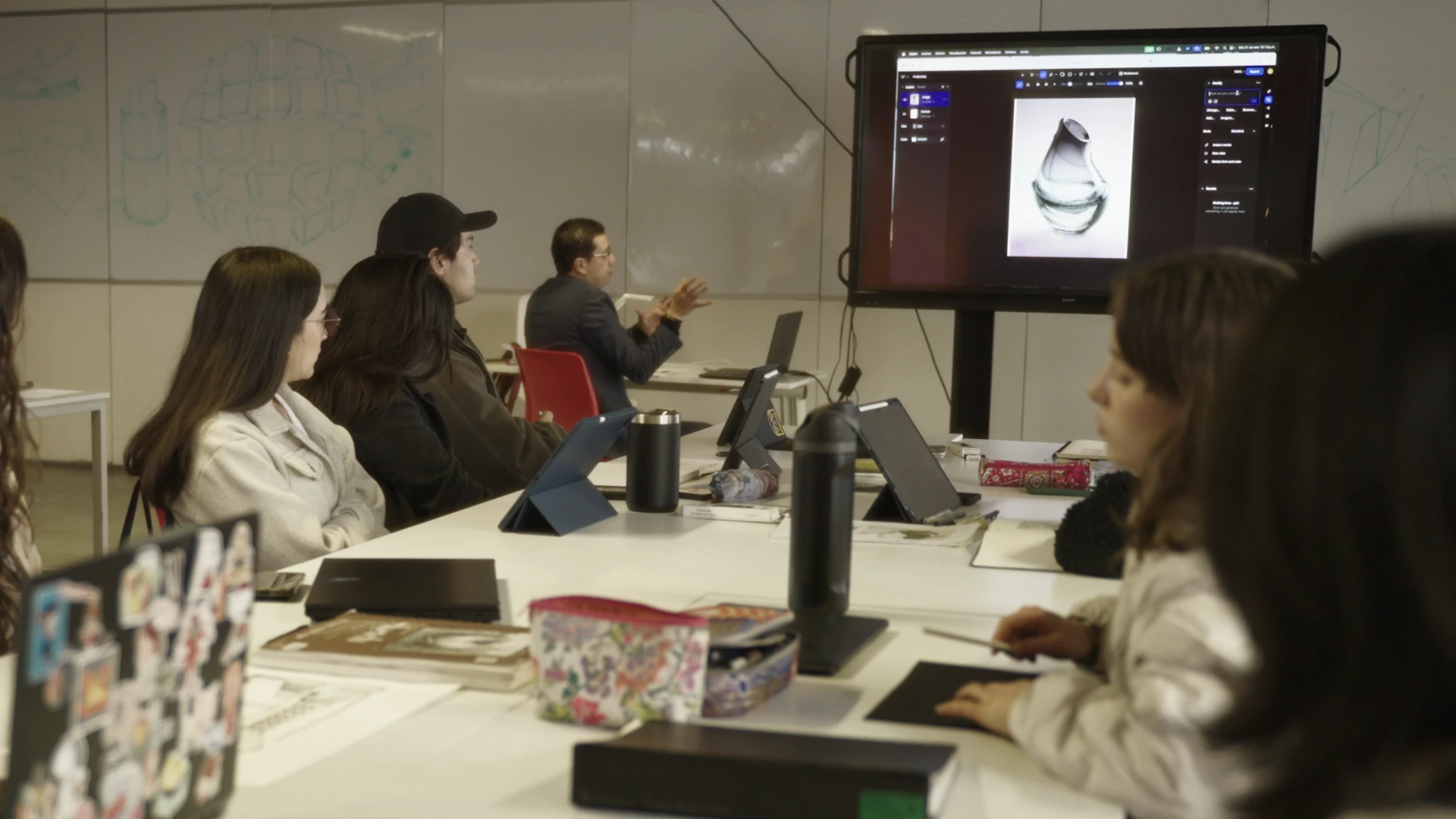

A leading creative university in Mexico City, and how one professor, one student, and a clay model changed what AI-assisted design education looks like.
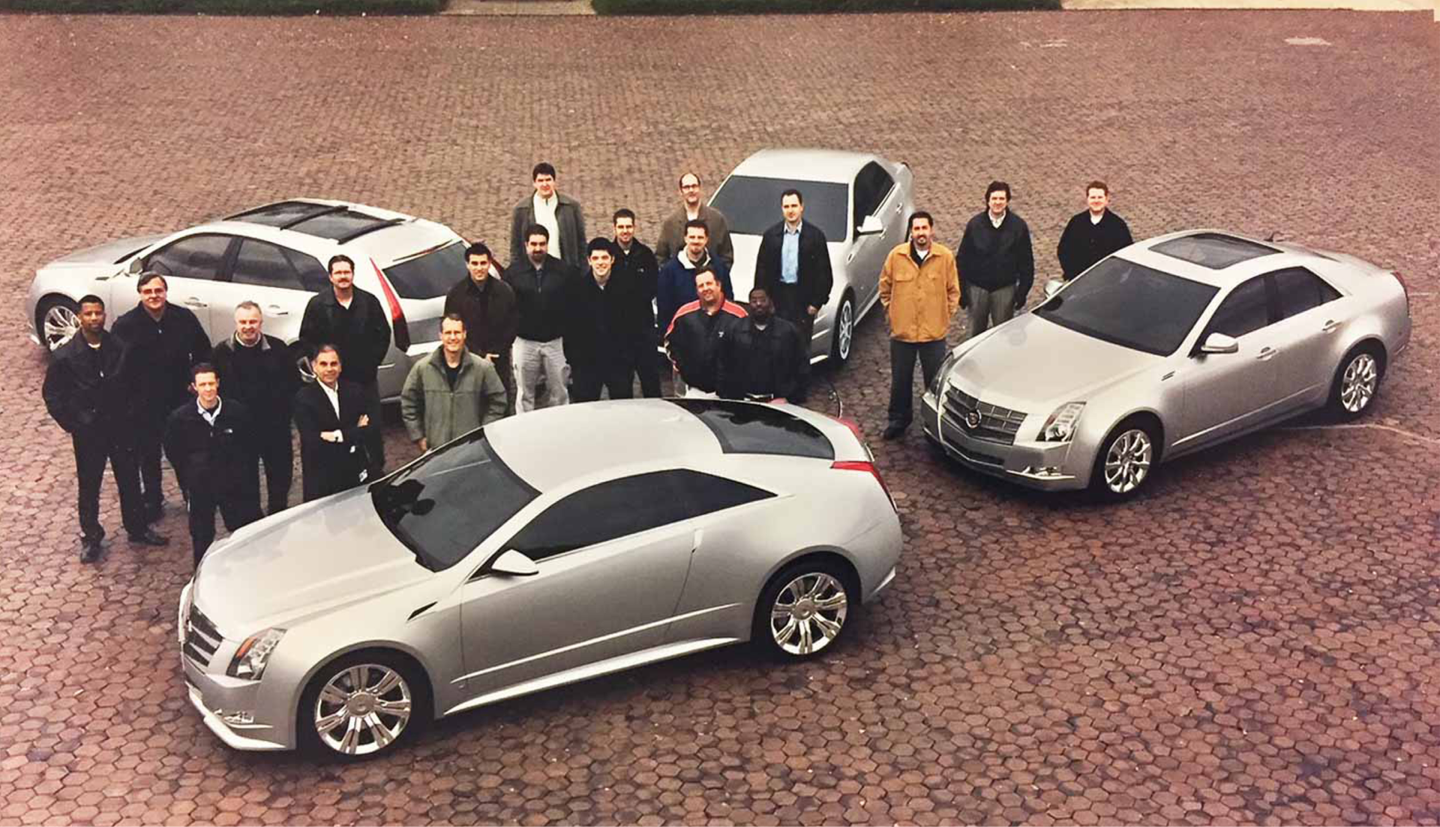
After 41 years at General Motors and 11 years in retirement, one of GM's most celebrated designers picked up Vizcom and says he's a better designer now than when he was working.