A creative university that treats technology as a language

A leading creative university in Mexico City, and how one professor, one student, and a clay model changed what AI-assisted design education looks like.


A campus that was ready before AI was mainstream
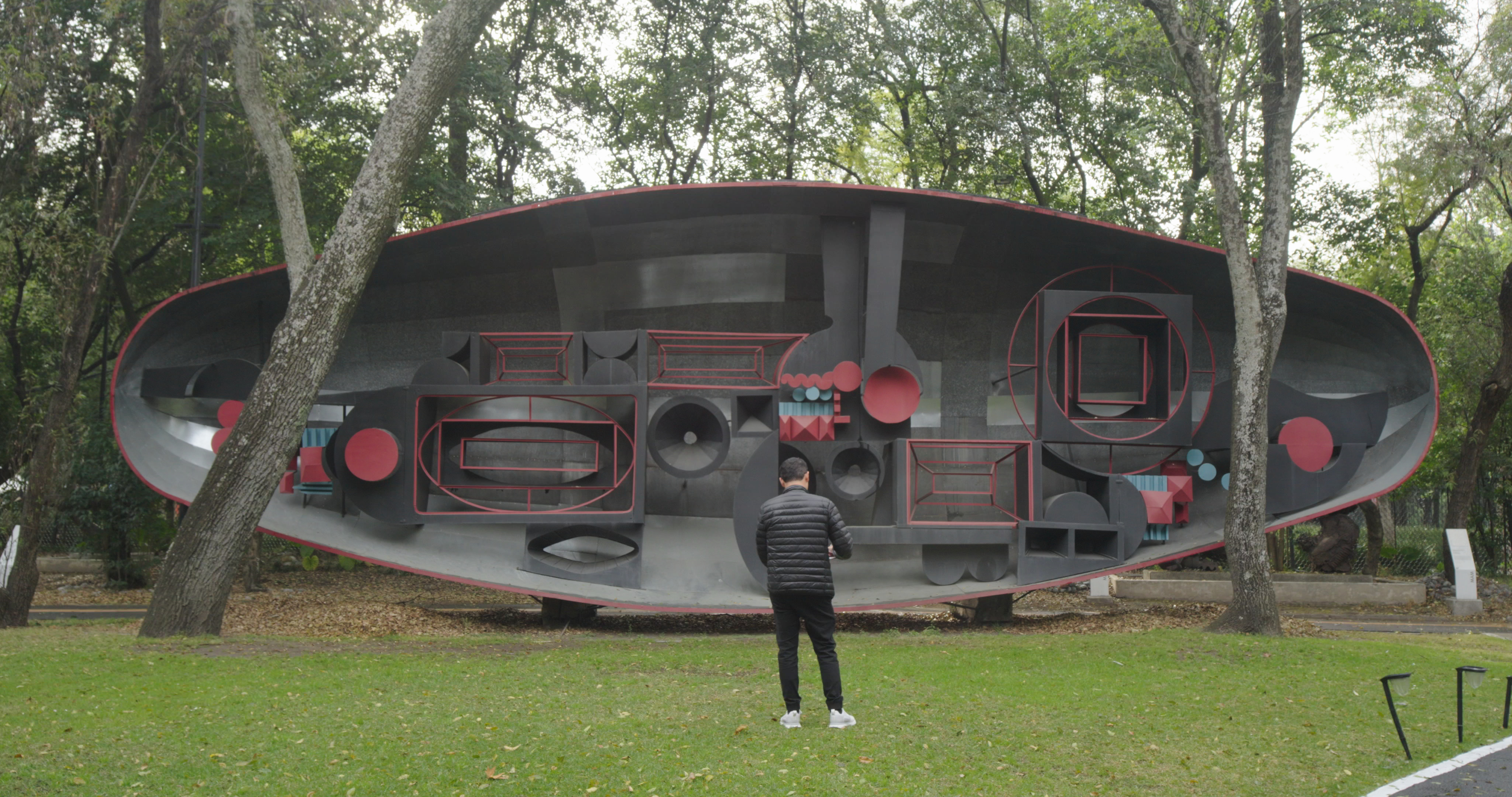
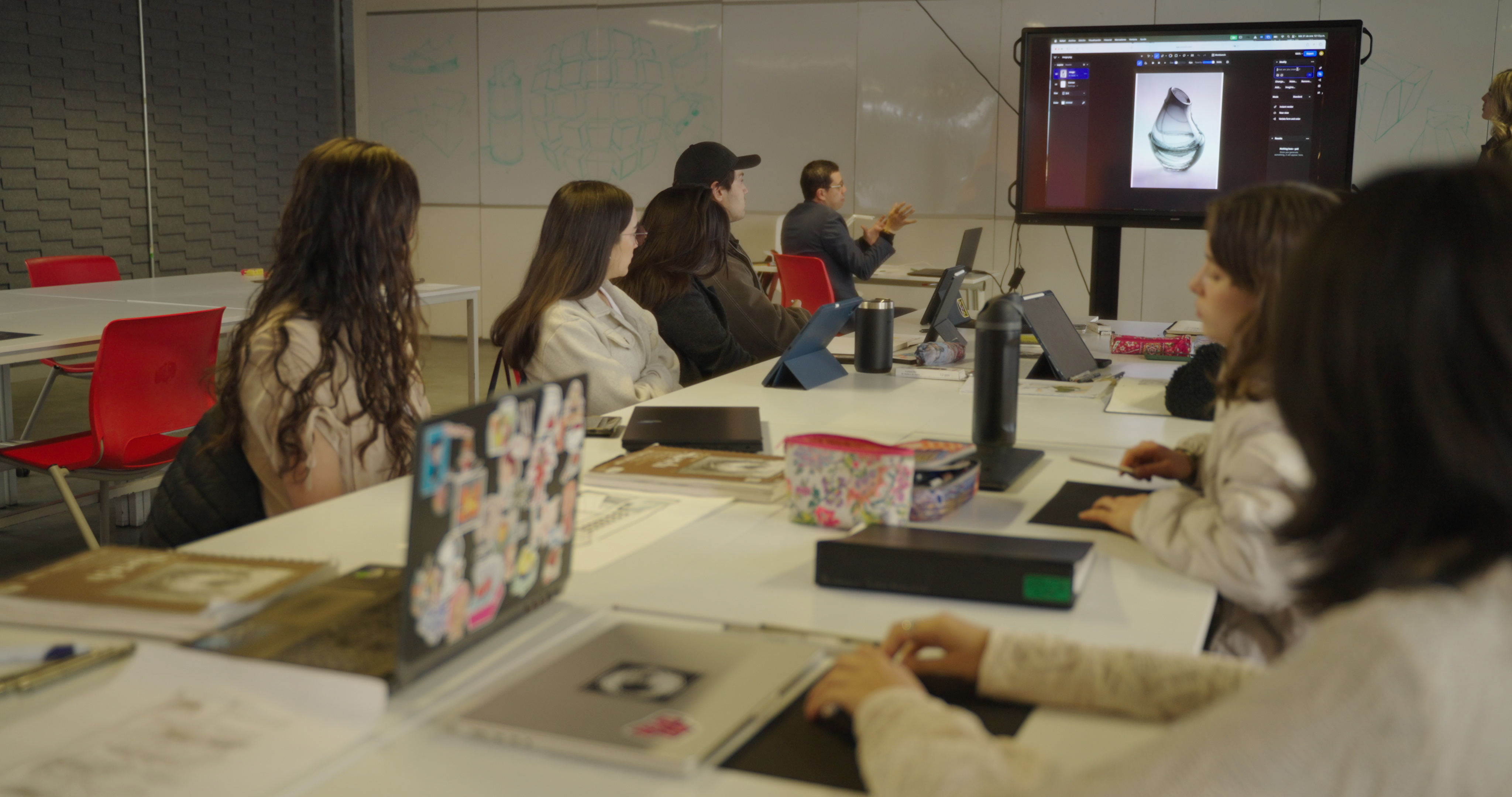
Centro is a university for the creative industries in Mexico City a place where film and television students cross paths with textile designers, industrial designers, and visual communicators. In the hallways, as its Industrial Design Director describes it, you can feel a desire to create and share. It is a creative community that aims to do incredible things through design.
Centro has been working with artificial intelligence since 2017 not as a tool to add, but as another language to teach alongside the others. The decision to adopt Vizcom specifically was made for a particular reason: balance. It keeps the essence of the designer's hand while activating new sources of exploration.
Problem
Students withbig ideas, tools that could not keep up
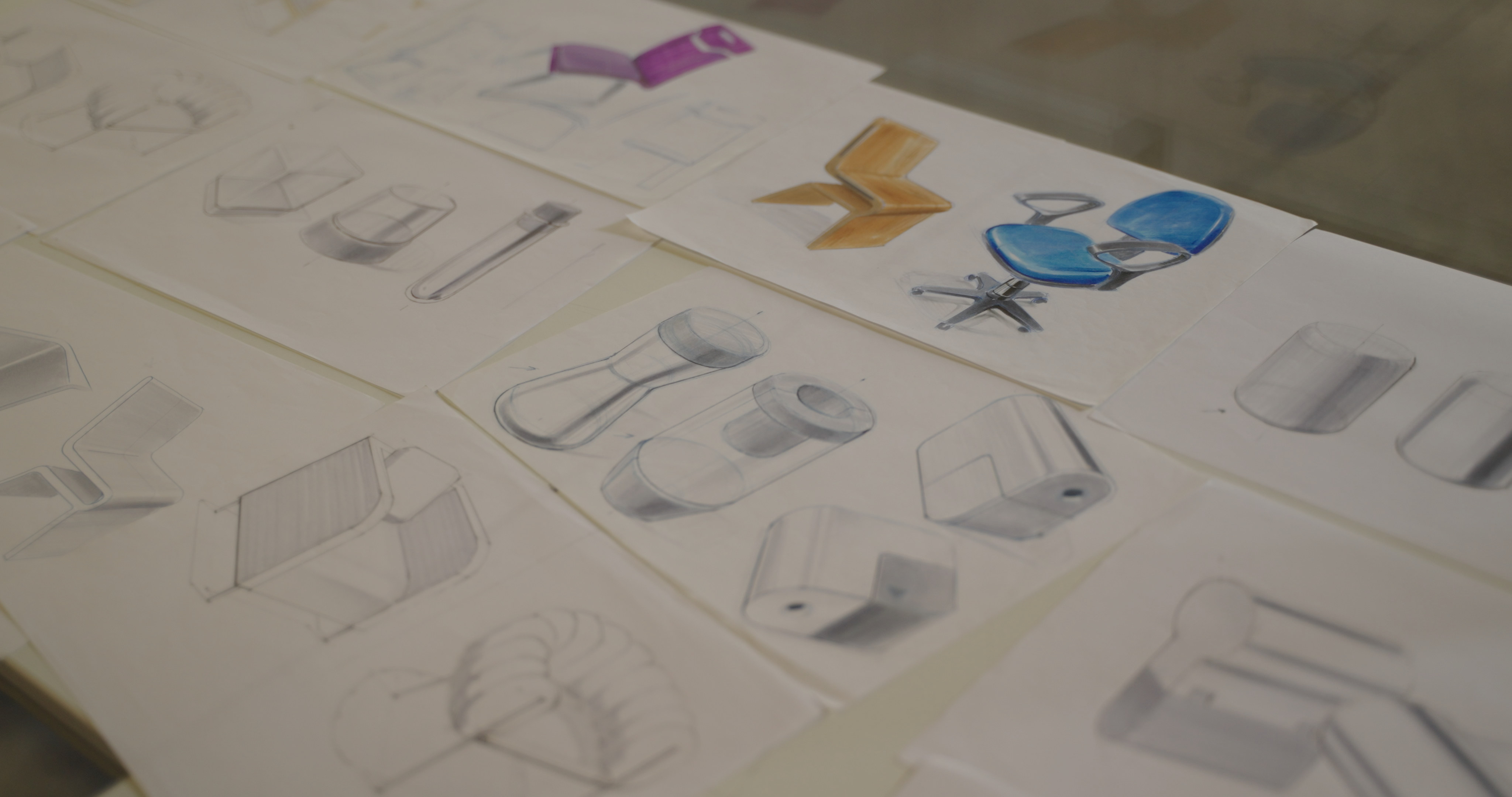
Footwear and industrial design are among the most technically complex disciplines in any design curriculum. For students still developing foundational drawing skills, the gap between what they could imagine and what they could render on the page was wide and discouraging. Ideas stalled before they could be tested, evaluated, or evolved.
At the same time, AI tools were entering the creative space under a cloud. Students and faculty alike were skeptical. The prevailing concern was authenticity: was AI just copying? Did using it mean surrendering your own voice? Centro needed a tool that could expand what students could do without erasing who they were.
The shift
One professor, one clay model and a complete new workflow
Alejandro Castañeda transportation designer, educator, and self-described explorer discovered Vizcom during the pandemic. His first reaction was something he hadn't expected: it felt like reliving the first time he saw someone sketch before he himself could do it. Magic, he called it.
The shift crystallized when he brought Vizcom into his physical model-making process. He began photographing clay half-models, uploading them, sketching over the photographs to generate new directions, using Vizcom to complete the symmetry, viewing results from multiple angles, and carrying findings back to the physical model. A continuous loop between the digital and the real.
It's not a tool for skipping the process. It's about integrating the technology at different stages like having an entire laboratory at your fingertips.
Alejandro Castañeda, Professor & Coordinator, Centro
When the class understood why the tool was being adopted when the adoption made sense students absorbed it naturally. Roberto Cabezas, Director of Creative Technology, frames it simply: Vizcom isn't something students learn to use. It's a language they learn to speak.
Solution
Know what you want & see how far it can go
Regina Aguirre was part of the first generation of students to use Vizcom at Centro. Alejandro had saved some of her projects from a drawing course and reached out he had a new tool and wanted her perspective. Three years later, she co-teaches it alongside him.
Her philosophy is grounded and specific: arrive with a direction. If you open Vizcom without one, the range of possibility becomes overwhelming rather than generative. But if you come with a grounded idea, it becomes a space to explore every direction that idea could take.
One of the values of Vizcom I admire most is the respect for the designer. It respects your idea and works from it. It respects your identity.
Regina Aguirre, Industrial Design Graduate, Centro
Across Centro's programs Industrial Design, Interior Architecture student reactions follow a consistent pattern: initial surprise, then rapid integration. The interface is intuitive enough that students find their footing quickly. What catches them is not the complexity but the possibility.
Carried forward by students
Centro runs one course with Alejandro in the second semester that formally incorporates Vizcom. What Cecilia León de la Barra, Director of Industrial Design, has observed since is that students don't stop when the course ends. They carry it forward into their own projects automatically in a way that is, as she describes it, far more natural and organic than any top-down adoption could have been.
You can have a great idea in a pencil sketch, and with Vizcom you can understand the materials, feel the texture, and even perceive the object's weight without touching it.
Cecilia León de la Barra, Director of Industrial Design, Centro
Cecilia also highlights something less expected: accessibility. For students with conditions that make delivering conventional assignments difficult, Vizcom made the process easier and more enjoyable turning a potential barrier into a supported creative moment.
It's like a guide, but you are the leader.
Regina Aguirre, Industrial Design Graduate, Centro
Start building with Vizcom
Join designers around the world who are expanding what’s possible.
More case studies
Explore all resources to elevate your designs

.webp)

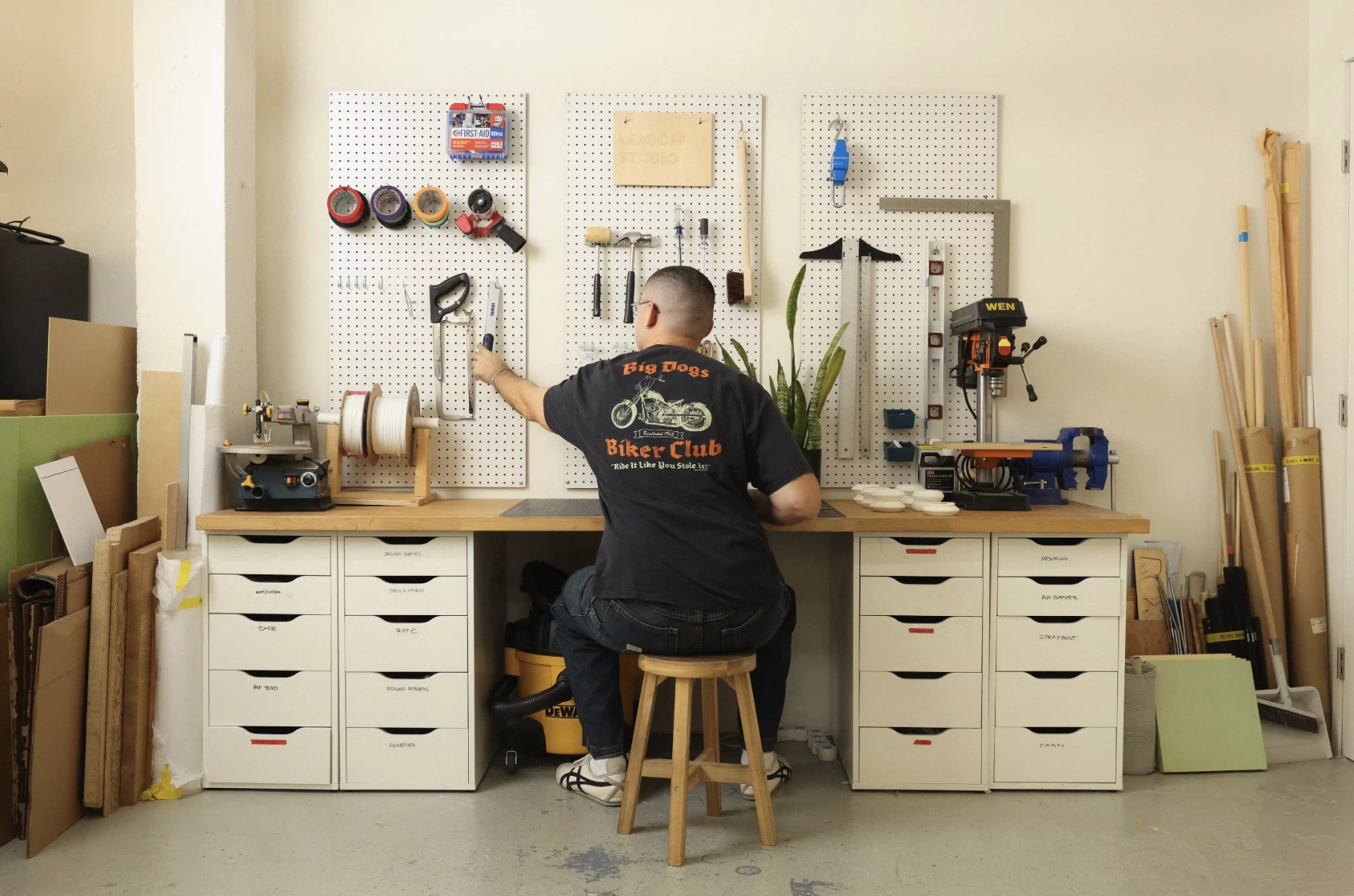
Kohler's industrial design team cut presentation production from 50% of a designer's time to 20%. Same headcount, 60% less time making pictures, more time on product.
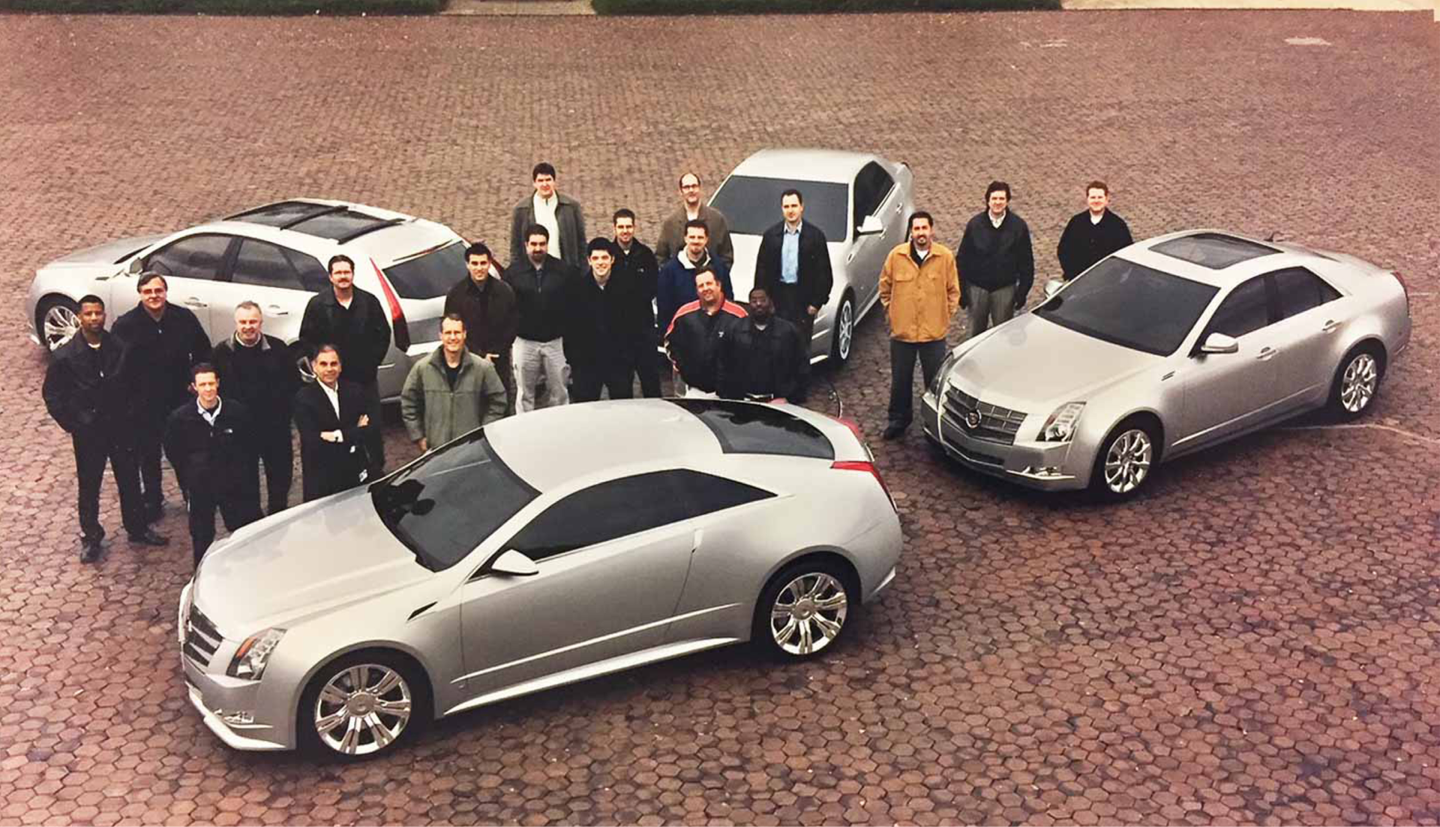

After 41 years at General Motors and 11 years in retirement, one of GM's most celebrated designers picked up Vizcom and says he's a better designer now than when he was working.

The designer, educator, and world-builder behind some of the most studied sketching books in history explores what happens when AI becomes a collaborator, not a replacement.