The analog designer who found his digital rhythm

After 20 years designing helmets and gear for elite riders, Fox Racing's Dennis Tan hit a creative ceiling. Vizcom didn't replace his process, it supercharged it.

Background
Built by obsession, refined by constraint
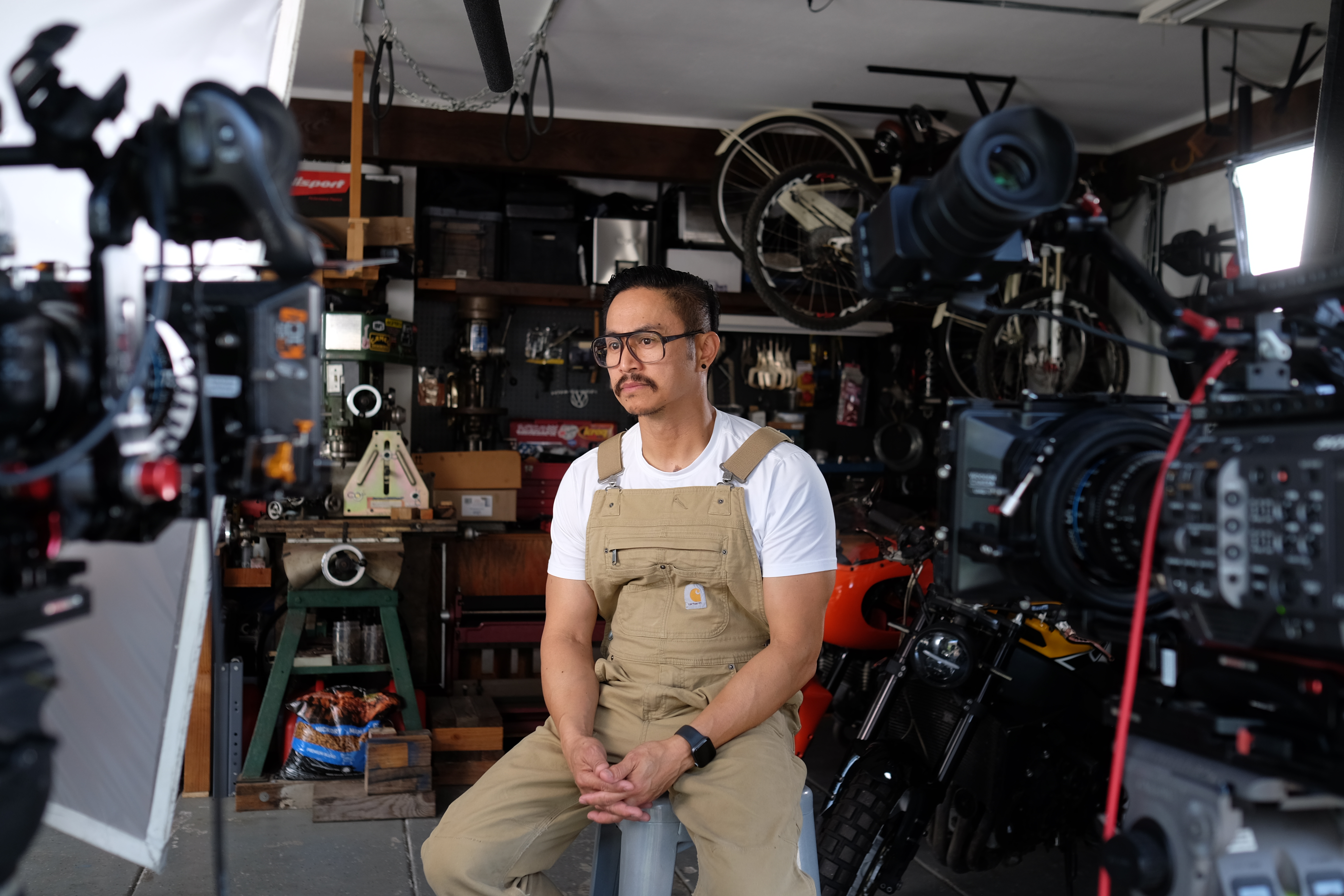
His first car was a VW Bug at sixteen, bought with barely any money and maintained through repair manuals and trial and error. No internet. Just hands, tools, and persistence. That hands-on obsession never left, it just found new forms.
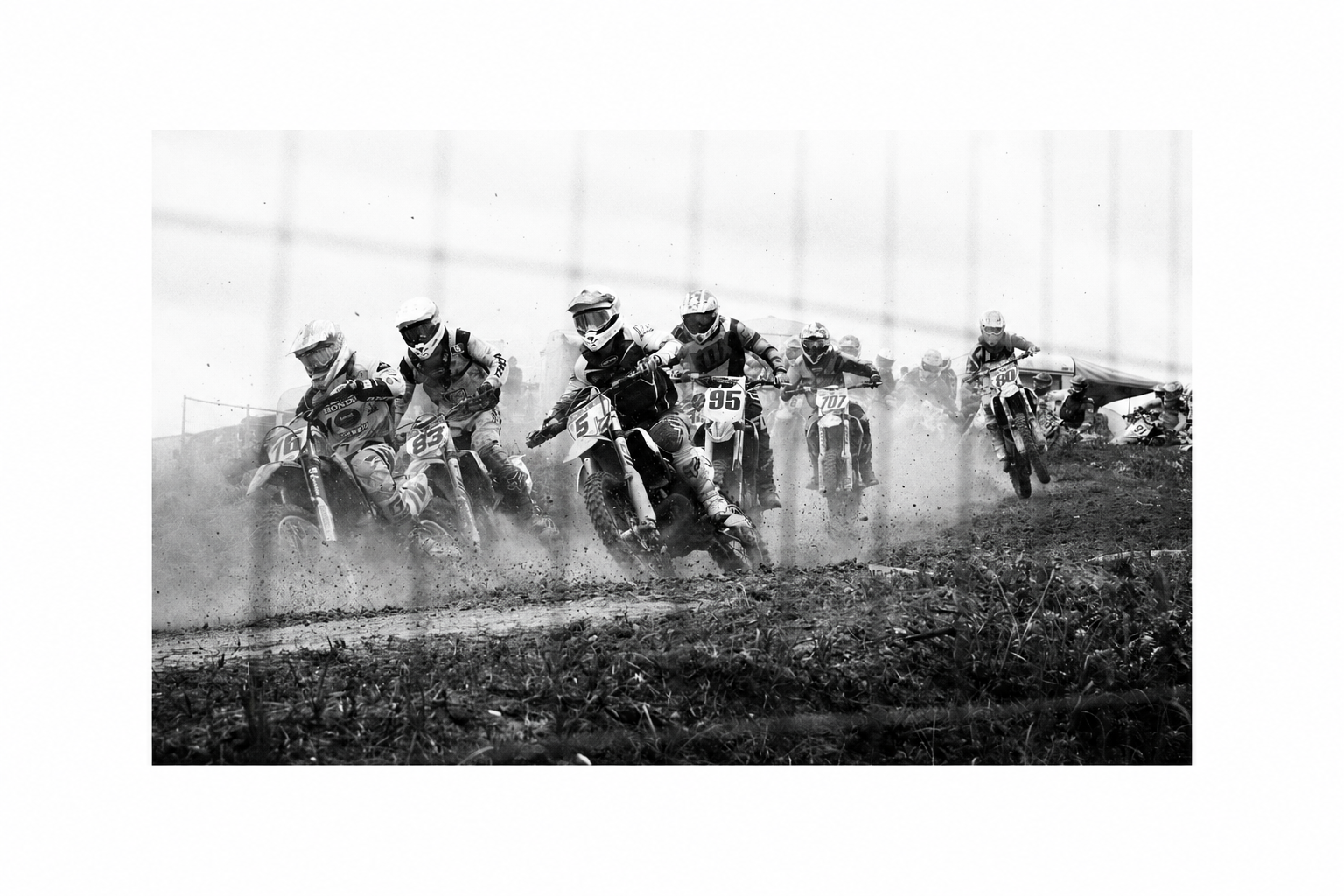
After studying at Art Center, where he learned chalk rendering, Vellum, woodworking, and model making alongside early Photoshop, he was hired at Fox Racing. His boss had one condition: to design motocross gear well, you need to ride. So he bought a dirt bike.
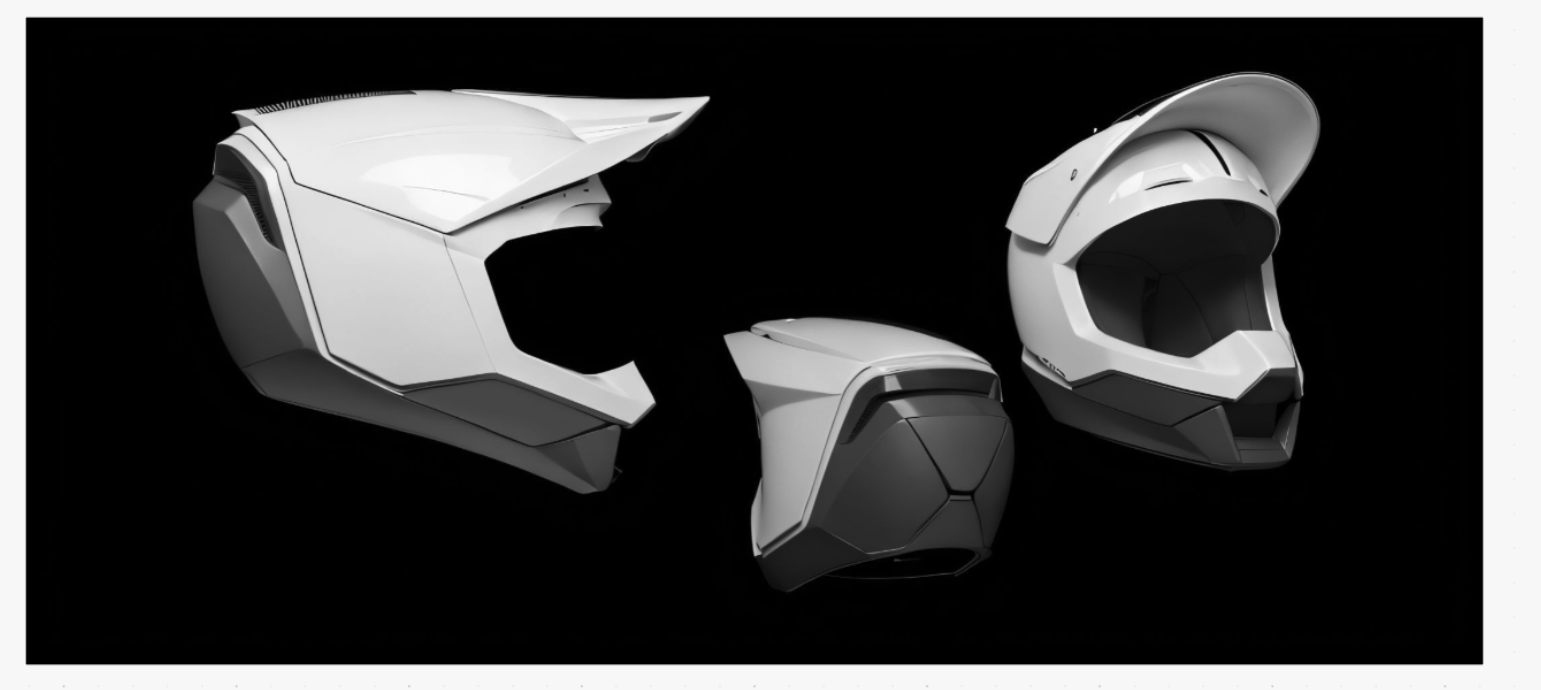
Over the next two decades, he became a specialist in helmet design — one of the most demanding disciplines in the field, where every decision is constrained by safety testing requirements. Form had to follow function, and looking good while going fast had to follow both.
Problem
Twenty years in, the well runs dry
After 20 years in the industry, he knew the problem before he could name it. His workflow was exhausted. Not his skills but his creative range. The same references, the same constraints, the same visual instincts. He needed something new in the workflow, not a replacement for it.
His first attempt with AI tools went nowhere. He felt lost. As he describes it, he is still fundamentally an analog designer, someone who needs to make things to see if they work.
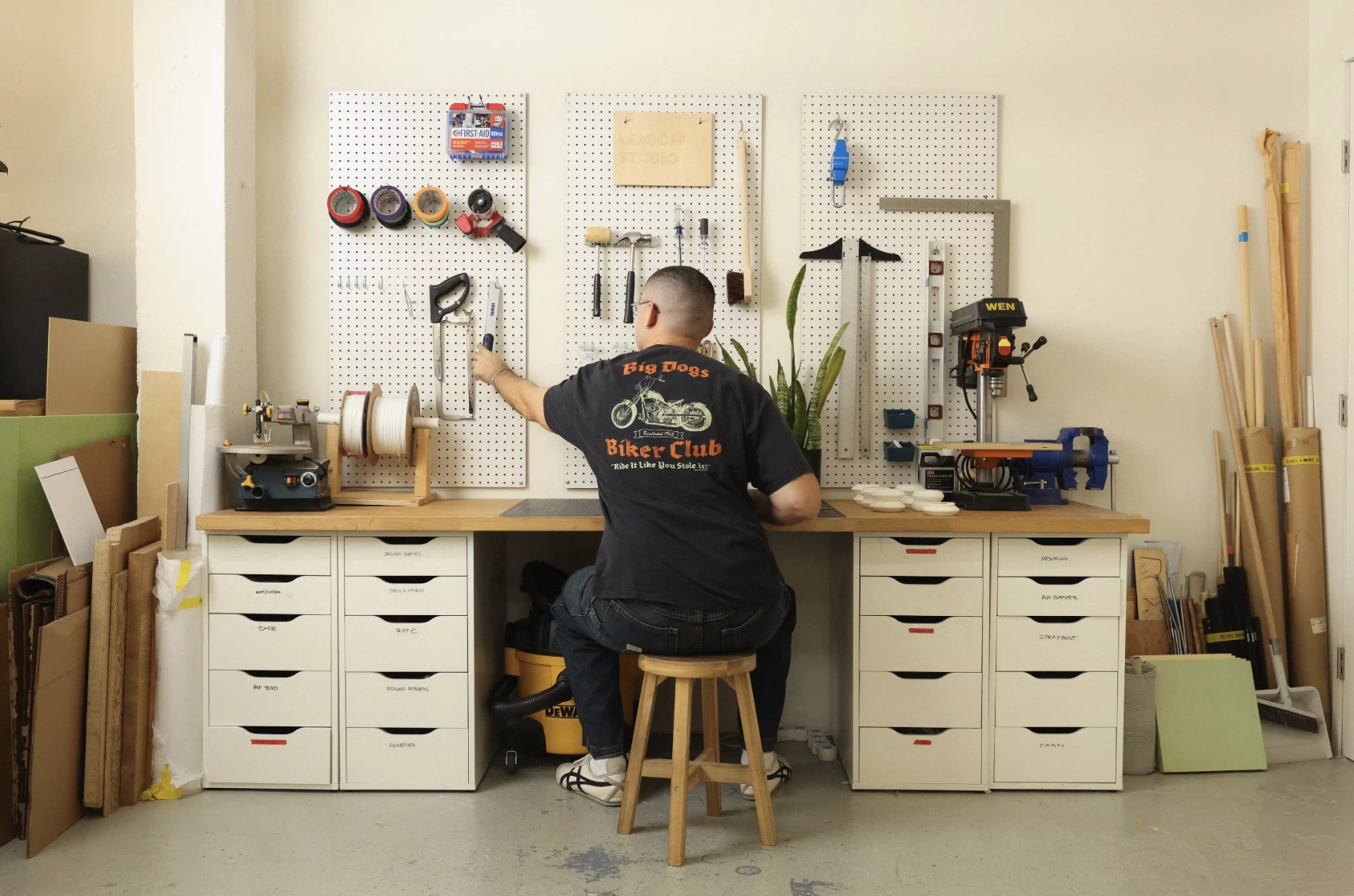
He doesn't own a 3D printer. He solves problems with his hands.
After 20 years of doing this, you get out of fresh ideas. I needed to bring something new to my workflow.
Dennis Tan, Co-Founder, Spoke & Piston
Solution
Vizcom as a hybrid partner
Everything changed when he stopped trying to use Vizcom as a digital tool and started using it as a hybrid one. The insight was simple but transformative: Vizcom wasn't asking him to replace his physical process. It was offering to amplify it.
Working on a bicycle helmet project for O'Neal, he found his rhythm. Sketch by hand. Feed it to Vizcom. Evaluate, iterate, return to the physical. The combination of analog making and AI rendering became the most efficient design loop he had worked in.
Vizcom doesn't really take anything from you. It only supercharges your process.
Dennis Tan, Co-Founder, Spoke & Piston
He describes the breakthrough as realizing that the trial-and-error he had always done with his hands now had a digital counterpart that could run in parallel. Not instead of. Alongside.
A better designer, not a replaced one
His 20 years of knowledge from how materials behave, to how a helmet has to fit a human head and survive a crash, to how form reads at speed, none of that became irrelevant. It became the lens through which he evaluated what Vizcom produced. The tool gave him volume and speed. His expertise gave the results meaning.
AI forced me to evolve. It forces you to grow. I think I'm a better designer because of it.
Dennis Tan, Co-Founder, Spoke & Piston
He is direct about why he is not worried about replacement: the knowledge and experience of designing for real human customers in the real world is not something a tool generates. It is something a career builds. Vizcom made that career more productive. It did not make it obsolete.
Start building with Vizcom
Join designers around the world who are expanding what’s possible.
More case studies
Explore all resources to elevate your designs

.webp)

Kohler's industrial design team cut presentation production from 50% of a designer's time to 20%. Same headcount, 60% less time making pictures, more time on product.
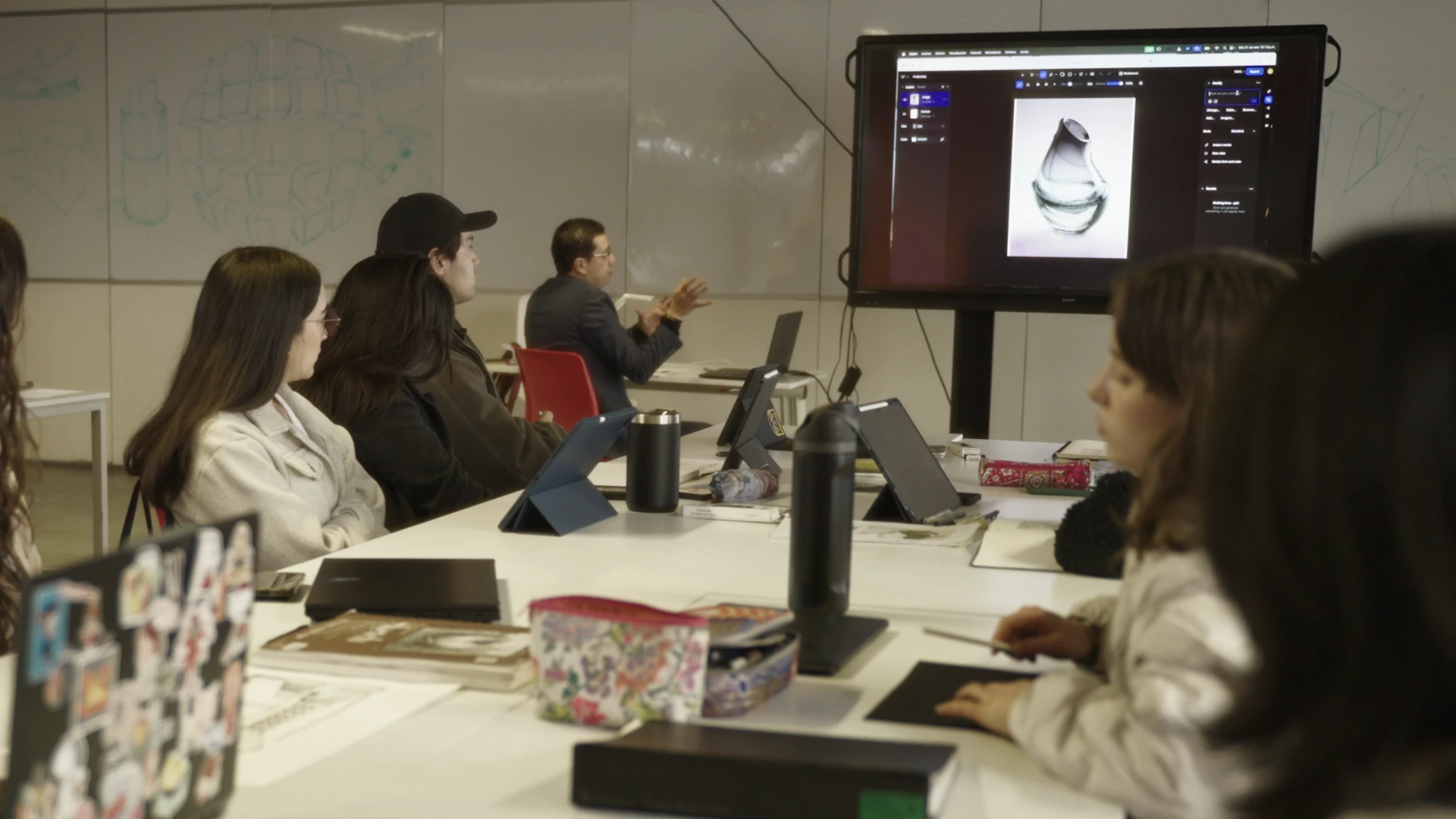

A leading creative university in Mexico City, and how one professor, one student, and a clay model changed what AI-assisted design education looks like.
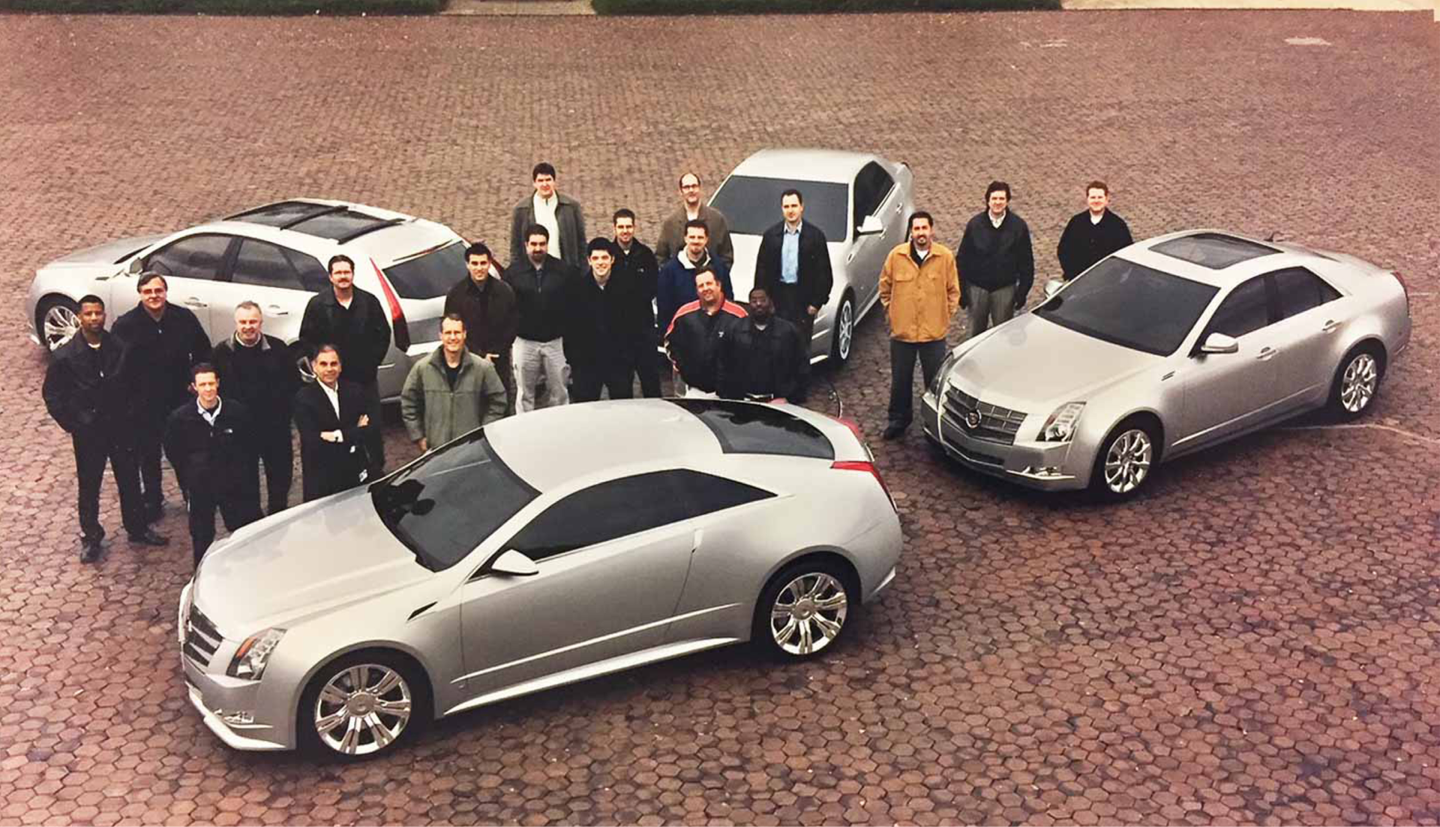
After 41 years at General Motors and 11 years in retirement, one of GM's most celebrated designers picked up Vizcom and says he's a better designer now than when he was working.