How a lifelong sneakerhead designed his first shoe

Industrial designer Dennis Muller spent a decade sitting on his sneaker obsession. Here's how a global pandemic, an online community, and Vizcom helped him finally design his first shoe.

Problem
Chasing silhouettes
Growing up, Dennis's sneaker obsession ran on scarcity.
There was no easy way to get the pair you wanted, and the friends who shared the habit were rare enough that finding one felt like finding a kindred spirit.
"The discussions with friends were like: where do you get them from, how much will they cost, can I try them on. So if you had silhouettes you didn't get in Europe, you were a special person."
Dennis Muller, Senior Lead Exploration Designer, On Running
Getting the rare stuff meant actually going somewhere. Dennis and his circle made regular trips to Amsterdam, where a real sneaker community had built up around collaboration releases you couldn't find at home: Air Max 1s paired with tracksuits, a whole subculture hiding in plain sight.
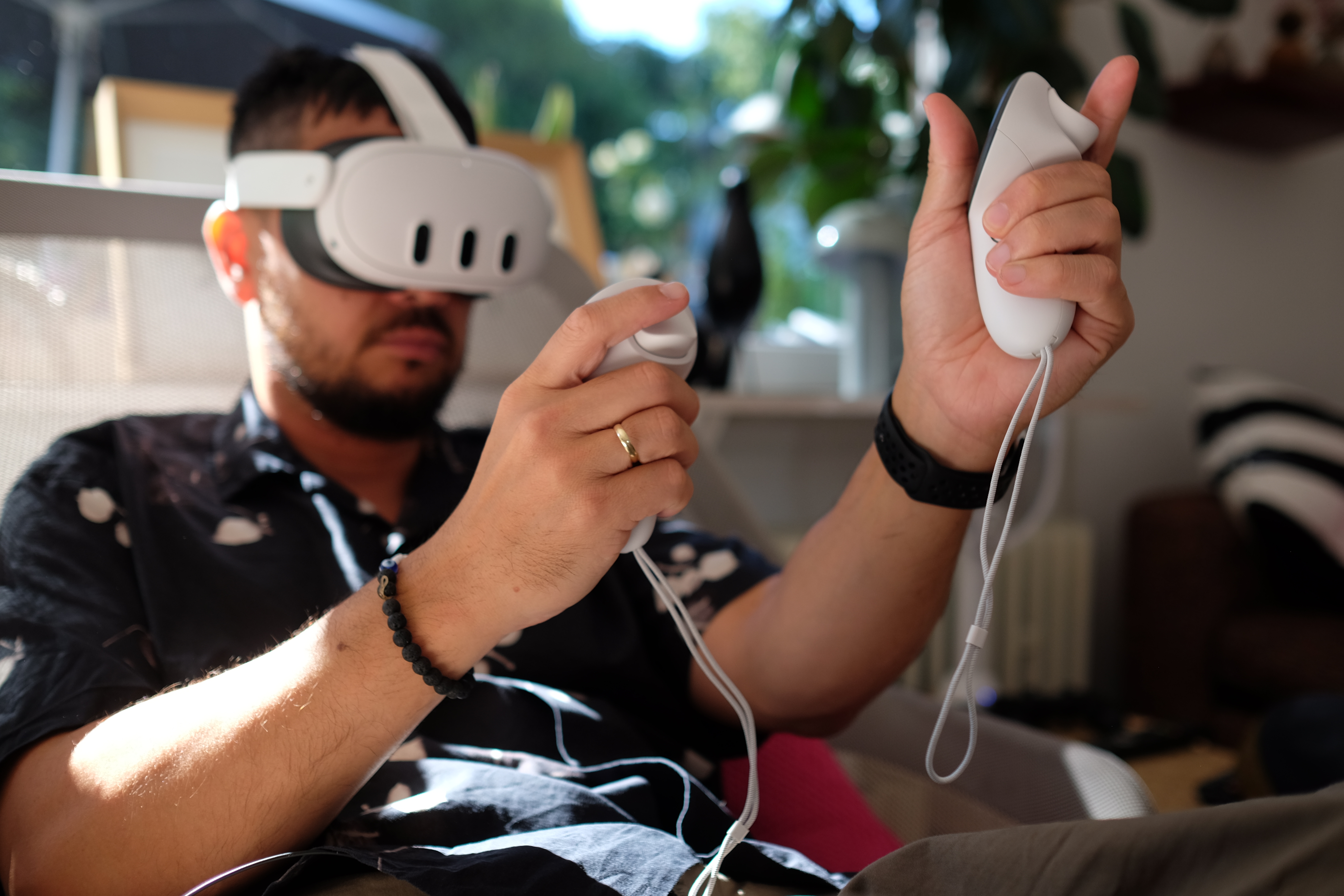
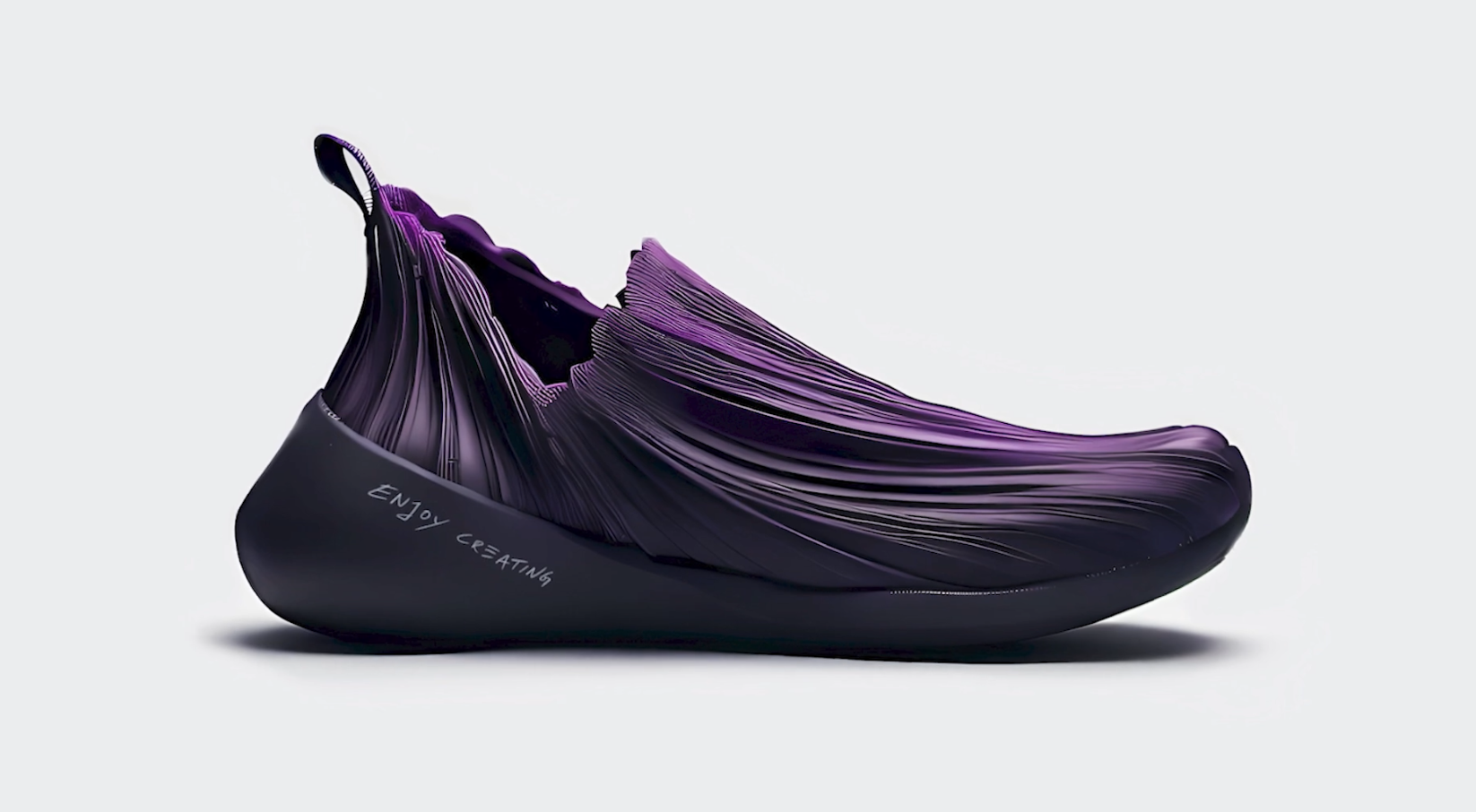
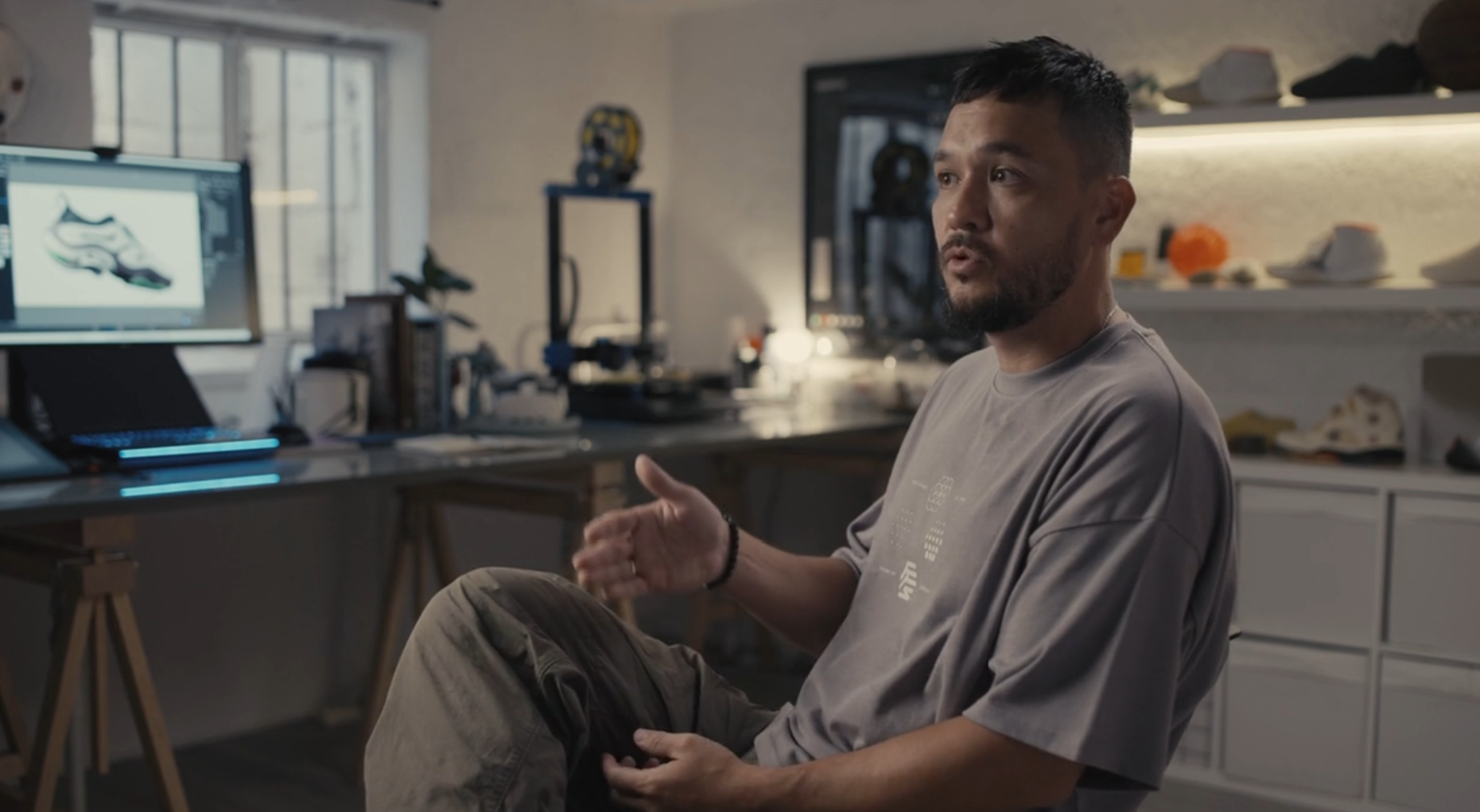
"Back then you really had to travel there, to Tokyo or to Amsterdam, to get these kinds of collaboration sneakers... Nowadays you can buy it online from Tokyo, wherever. But back then you really had to invest time and also money. And there were only a few people who would appreciate it."
Dennis Muller, Senior Lead Exploration Designer, On Running
That distinction, investing time and money for something almost nobody else around you understood, is the emotional core of everything that came next. It wasn't really about the shoes. It was about belonging to a small, specific thing. That isolation stuck with Dennis as an adult, too: as a young designer, he'd never seriously considered footwear as a discipline he could work in, since he saw it as too technically complex for where his skills were. And by the time he was curious about AI, the creative world around him had already decided it was the enemy: "not authentic," "just copy-paste."
Solution
Rebuilding community he'd lost
When the world shut down in 2020, that old feeling resurfaced. Dennis missed the specificity of those small, obsessive sneaker communities, so he decided to rebuild one himself, starting an Instagram community from scratch.
"In lockdown, all those feelings came back, the love for sneakers and the passion of those small communities. I wanted to have that kind of connection again, so I started an online community on Instagram."
Dennis Muller, Senior Lead Exploration Designer, On Running
It grew the way these things tend to when they're built on genuine shared interest instead of strategy. Dennis entered design challenges, any challenge, any product category, and the community grew alongside his own output. Along the way, he made real friends, the kind he now talks to daily and the first thing he launched after the pandemic was a sneaker built directly out of that encouragement.
"The community had a real impact on creating this sneaker. They encouraged me to start creating it, because they're so open-minded that they share information. If it wasn't because of them, I wouldn't ever have done this."
Dennis Muller, Senior Lead Exploration Designer, On Running
Dennis approached AI with the same skepticism the design world had. AI was being written off in creative circles as inauthentic, a shortcut, a way to copy someone else's style. He gave it a try anyway, partly to see if that reputation was earned, and partly because he wanted something to bring back to the community he'd built.
Vizcom was the first AI tool he picked up, and the friendly interface and short learning curve made the shift easy: what he expected to be competition turned out to function more like a coworker.
"Very soon I realized it's not my enemy, actually it's my coworker. And it felt pretty naturally because the user interface is really user-friendly and the learning curve was pretty easy."
Dennis Muller, Senior Lead Exploration Designer, On Running
That shift changed how he actually works. Dennis doesn't aim for a single, one-click result. His process is a back-and-forth: he feeds in resource images with different moods to pull out character he wouldn't get from one reference alone, then follows his gut toward whatever catches his attention, even when it's imperfect. From there he tests what's actually interesting about it, whether that's the shape, the material, or the function, often landing somewhere he hadn't planned to go rather than following a straight line from brief to render.
Dennis ties both threads together through how he thinks about his own identity. He describes himself as a hybrid designer and a hybrid person, shaped by growing up between cultures, and says working with AI reinforced that rather than pulling against it. He brings the same thinking home, traveling to Indonesia with his son most years so he grows up connected to where the family comes from.
For Dennis, the throughline is the same whether it shows up in his design process or his background: being different isn't something to smooth over. It's what makes the work distinct.
Start building with Vizcom
Join designers around the world who are expanding what’s possible.
More case studies
Explore all resources to elevate your designs

.webp)

Kohler's industrial design team cut presentation production from 50% of a designer's time to 20%. Same headcount, 60% less time making pictures, more time on product.
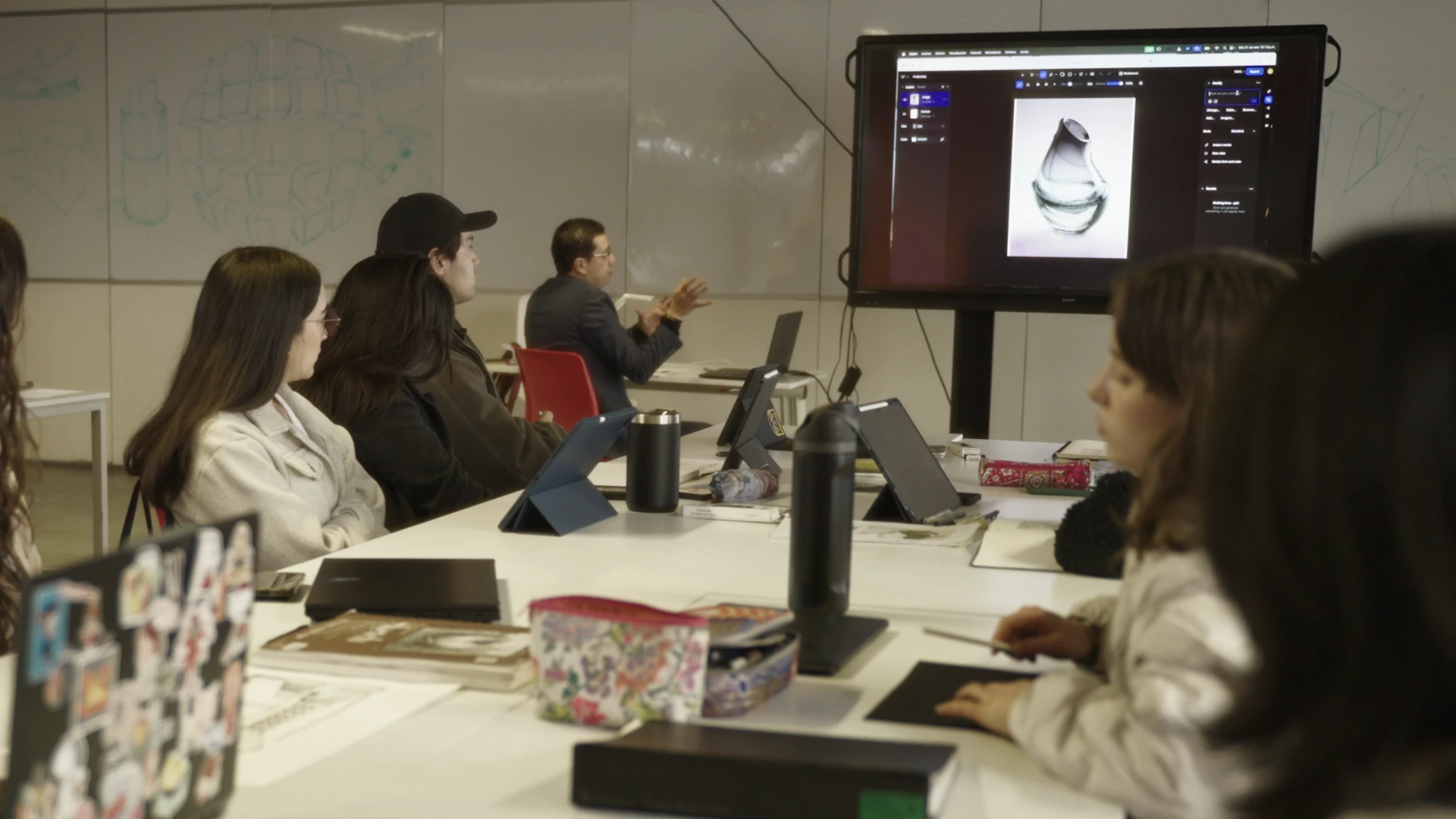

A leading creative university in Mexico City, and how one professor, one student, and a clay model changed what AI-assisted design education looks like.
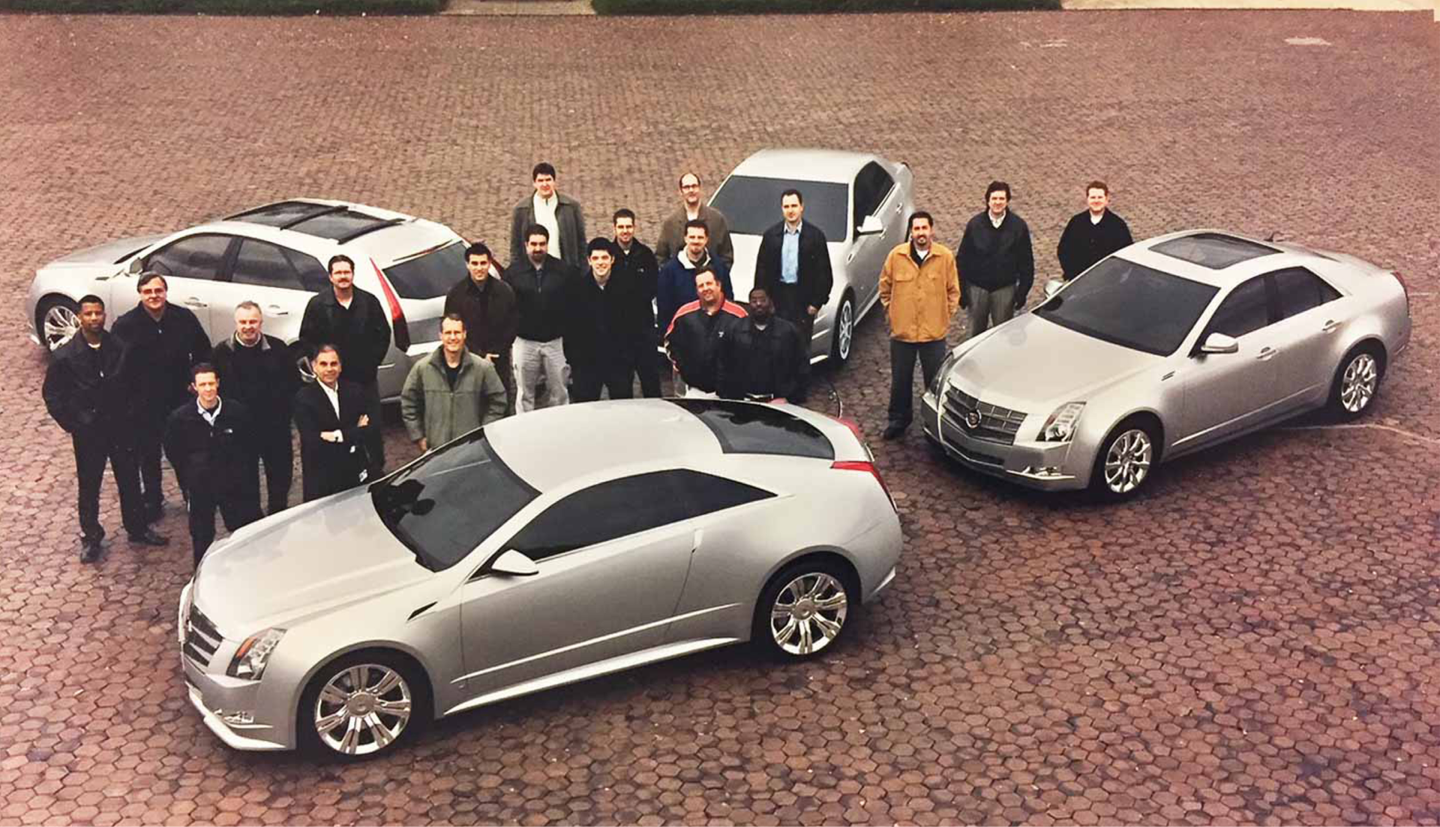
After 41 years at General Motors and 11 years in retirement, one of GM's most celebrated designers picked up Vizcom and says he's a better designer now than when he was working.